 EN
EN

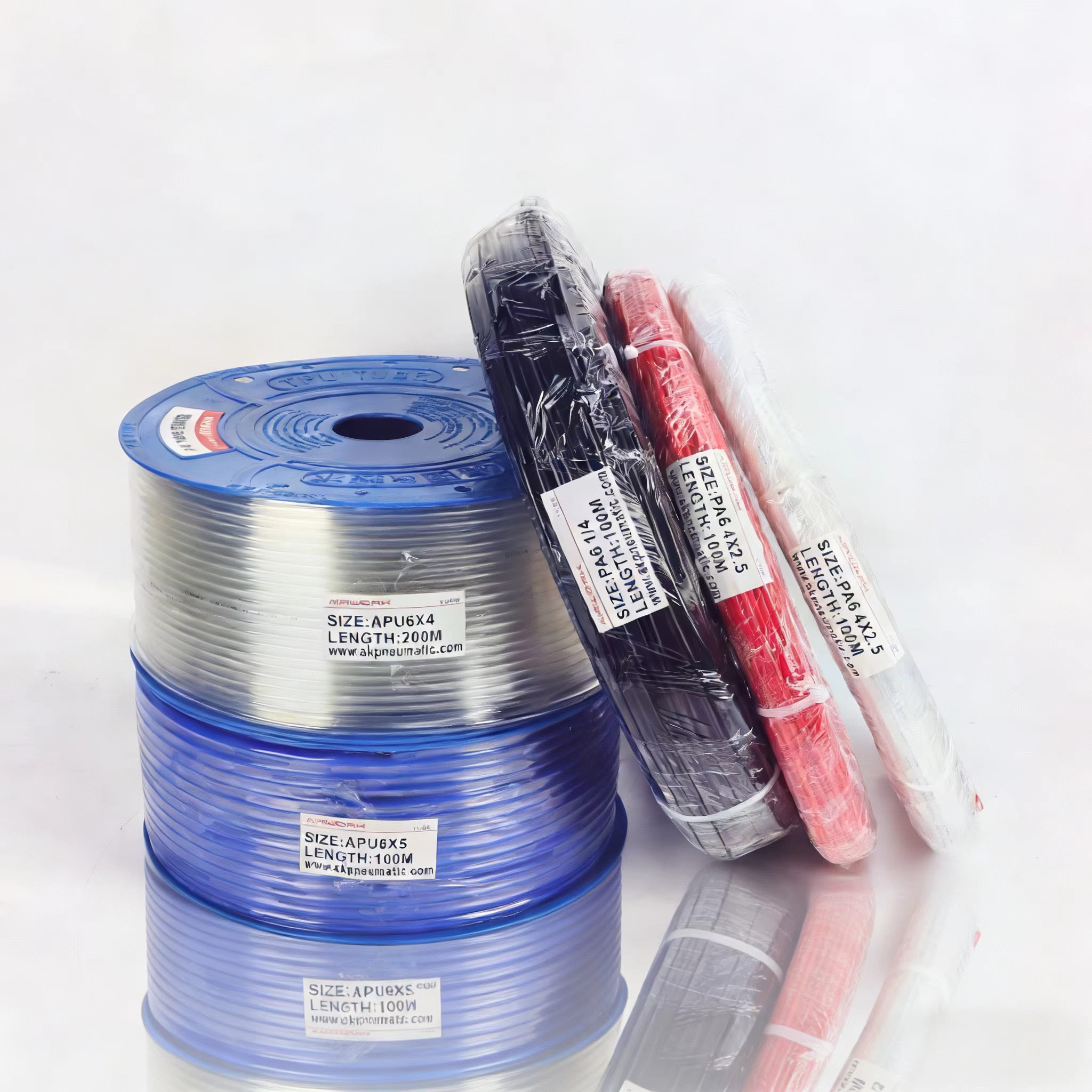
An air hose serves as the critical conduit that enables compressed air to flow from generation points to application endpoints within pneumatic systems. Understanding the fundamental mechanics of how an air hose supports air transfer reveals why proper hose selection, installation, and maintenance directly impact system performance, energy efficiency, and operational reliability across industrial applications.
The air transfer mechanism within pneumatic systems depends entirely on the air hose's ability to maintain pressure integrity while providing flexible routing between stationary compressors and mobile or fixed pneumatic tools and actuators. This transfer process involves complex fluid dynamics where the air hose must accommodate varying flow rates, pressure differentials, and environmental conditions while minimizing energy losses that could compromise system effectiveness.
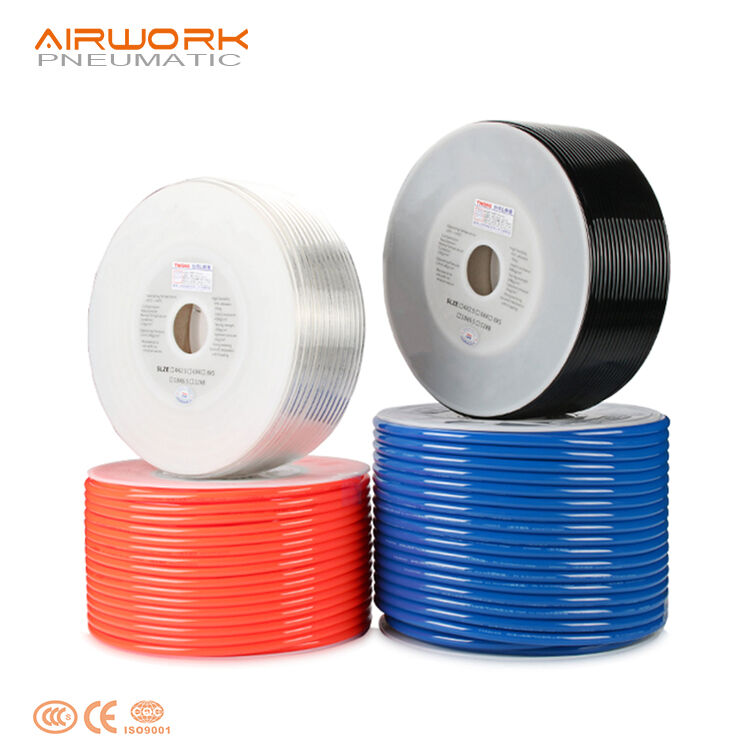
Physical Mechanics of Air Flow Through Pneumatic Hoses
Pressure Differential and Flow Dynamics
The fundamental principle governing air transfer through an air hose relies on pressure differential between the compressed air source and the application point. When compressed air enters the air hose from the compressor or distribution manifold, it naturally flows toward areas of lower pressure, creating the driving force for pneumatic tool operation. The air hose internal diameter directly influences flow velocity and pressure drop characteristics throughout the transfer path.
Flow dynamics within the air hose follow established fluid mechanics principles where larger internal diameters reduce flow restriction and minimize pressure losses over extended distances. This relationship becomes critical in industrial pneumatic systems where maintaining adequate working pressure at tool endpoints ensures consistent performance. The air hose must accommodate both steady-state flow conditions and rapid pressure changes during tool cycling without introducing significant flow limitations.
Turbulent flow patterns can develop within the air hose when flow velocities exceed certain thresholds, particularly in smaller diameter hoses or during high-demand applications. These turbulent conditions increase energy losses and can generate noise within the pneumatic system. Proper air hose sizing considers both maximum flow requirements and optimal flow velocity ranges to maintain efficient laminar flow characteristics throughout normal operating conditions.
Wall Thickness and Pressure Containment
The air hose wall construction must withstand internal pressures while maintaining flexibility for routing around obstacles and equipment. Wall thickness specifications determine the maximum safe working pressure for the air hose, establishing the upper limits for system pressure without risking hose failure or safety hazards. Multi-layer wall construction often incorporates reinforcement materials that provide both pressure resistance and flexibility.
Pressure containment within the air hose prevents compressed air leakage that would reduce system efficiency and increase operating costs. The wall material properties must resist permeation by compressed air molecules while maintaining structural integrity under repeated pressure cycling. This containment function becomes particularly important in high-pressure pneumatic applications where even small leaks represent significant energy losses.
Temperature variations affect air hose wall properties and pressure containment capabilities, requiring material selection that maintains performance across expected operating temperature ranges. Cold temperatures can reduce wall flexibility and increase brittleness, while elevated temperatures may cause wall softening and reduced pressure resistance. The air hose specification must account for these environmental factors to ensure reliable pressure containment throughout system operation.
Material Properties Affecting Air Transfer Efficiency
Internal Surface Characteristics
The internal surface finish of an air hose significantly impacts air transfer efficiency by influencing friction losses and flow characteristics. Smooth internal surfaces reduce friction between flowing air and the hose wall, minimizing pressure drops that would otherwise reduce available pressure at pneumatic tools. Surface roughness creates turbulence that increases energy losses and can generate unwanted noise during air transfer operations.
Different air hose materials exhibit varying internal surface properties that affect flow efficiency. Polyurethane hoses typically provide very smooth internal surfaces that minimize friction losses, while rubber compounds may have slightly rougher internal textures. The surface finish quality becomes more critical in longer hose runs where cumulative friction losses can significantly impact system performance and energy consumption.
Internal surface contamination from oil carryover, moisture condensation, or particulate matter can degrade air transfer efficiency over time. Regular system maintenance should include air hose inspection and cleaning procedures to maintain optimal internal surface conditions. Some air hose designs incorporate anti-static properties to prevent dust accumulation on internal surfaces that could impede airflow.
Flexibility and Bend Radius Considerations
Air hose flexibility enables routing through complex equipment layouts while maintaining efficient air transfer characteristics. The material composition determines the minimum bend radius without creating flow restrictions or structural damage to the hose. Exceeding minimum bend radius specifications can cause internal diameter reduction that increases flow resistance and pressure losses.
Dynamic flexibility becomes important when the air hose must accommodate equipment movement or vibration during normal operation. The hose material must resist fatigue failure from repeated flexing while maintaining consistent internal flow characteristics. Advanced polymer materials often provide superior flexibility compared to traditional rubber compounds, enabling tighter routing without compromising air transfer efficiency.
Temperature effects on air hose flexibility can impact installation and operation in extreme environments. Cold conditions may reduce flexibility and increase minimum bend radius requirements, while elevated temperatures can cause excessive flexibility that makes the hose difficult to route properly. Material selection should consider the complete temperature range expected during system operation to ensure reliable air transfer performance.
Connection Methods and Air Transfer Continuity
Fitting Design and Flow Optimization
The connection interface between an air hose and system components critically affects air transfer continuity and efficiency. Properly designed fittings maintain full internal diameter alignment with the air hose to prevent flow restrictions at connection points. Tapered or reduced-diameter fittings create pressure drops that reduce system efficiency and available working pressure at pneumatic tools.
Quick-disconnect fittings provide operational convenience but must be selected to minimize flow restrictions during air transfer. High-flow fitting designs incorporate larger internal passages and streamlined geometries that reduce pressure losses compared to standard quick-disconnect mechanisms. The fitting selection should balance operational requirements with flow efficiency considerations to optimize overall system performance.
Multiple connection points along extended air hose runs can accumulate pressure losses that significantly impact system efficiency. Each connection represents a potential leak point and flow restriction that degrades air transfer performance. System design should minimize the number of connections and use full-flow fitting designs where connections are necessary to maintain optimal air transfer characteristics.
Sealing Integrity and Pressure Maintenance
Effective sealing at air hose connections prevents compressed air leakage that would reduce system pressure and waste energy. The sealing method must accommodate thermal expansion, vibration, and pressure cycling without degrading over time. Thread sealants, O-rings, and gasket systems each provide different sealing characteristics suitable for specific application requirements and environmental conditions.
Connection torque specifications ensure proper sealing without over-tightening that could damage threads or compression fittings. Under-tightened connections may develop leaks under pressure cycling, while over-tightened connections can cause thread damage or fitting distortion that creates leak paths. Proper installation procedures maintain sealing integrity throughout the expected service life of the air hose system.
Regular inspection of air hose connections identifies developing leaks before they significantly impact system efficiency. Leak detection methods range from visual inspection and soap solution testing to ultrasonic leak detection equipment for more comprehensive system evaluation. Maintaining connection integrity ensures that compressed air reaches its intended destination without energy-wasting leakage along the transfer path.
System Integration and Performance Optimization
Sizing Considerations for Flow Requirements
Proper air hose sizing ensures adequate flow capacity while minimizing pressure losses throughout the pneumatic system. Undersized hoses create flow restrictions that reduce available pressure at tool locations, while oversized hoses represent unnecessary cost and installation complexity. The sizing calculation must consider peak flow demands, acceptable pressure drop limits, and hose length to determine optimal internal diameter specifications.
Flow velocity within the air hose should remain within recommended ranges to prevent excessive pressure losses and noise generation. High velocities increase friction losses exponentially, making proper sizing critical for energy-efficient operation. Most pneumatic system guidelines recommend maximum air velocities between 20-30 feet per second within distribution hoses to maintain acceptable efficiency levels.
Multiple tool connections from a single air hose require careful analysis of simultaneous operating scenarios to ensure adequate flow capacity. Diversity factors may allow smaller hose sizing when tools operate independently, but peak demand conditions must be considered to prevent pressure starvation during concurrent tool usage. System modeling can optimize air hose sizing for complex multi-tool installations.
Installation Practices for Optimal Air Transfer
Strategic air hose routing minimizes pressure losses while providing necessary flexibility for equipment operation. Direct routing with minimal bends reduces friction losses, while excessive coiling or sharp bends create flow restrictions that degrade system performance. Installation guidelines should specify minimum bend radius requirements and preferred routing methods to maintain optimal air transfer characteristics.
Proper support and strain relief prevent mechanical stress on air hose connections that could cause leaks or fitting failure. Unsupported hose sections can create tension on connections during equipment movement or thermal expansion. Strategic support points distribute mechanical loads while allowing necessary hose movement during normal operation.
Environmental protection considerations include routing air hose away from heat sources, sharp edges, and chemical exposure that could degrade hose materials over time. Protective sleeves or conduit may be necessary in harsh environments to maintain long-term air transfer reliability. Installation practices should consider the complete service environment to ensure optimal hose performance throughout its expected service life.
FAQ
What factors determine how much air pressure is lost through an air hose?
Air pressure loss through an air hose depends primarily on internal diameter, hose length, flow rate, and internal surface roughness. Smaller diameters and longer lengths increase friction losses, while higher flow rates exponentially increase pressure drops. The hose material and internal surface finish also affect friction characteristics, with smoother surfaces providing better efficiency.
How does air hose material affect compressed air quality during transfer?
Different air hose materials can impact compressed air quality through permeation, contamination, and moisture absorption characteristics. Some materials may allow small amounts of air to permeate through the wall, while others could contribute trace contamination or absorb moisture from the compressed air stream. Food-grade and medical applications require specific hose materials that maintain air purity during transfer.
Why do quick-disconnect fittings sometimes reduce air transfer efficiency?
Quick-disconnect fittings often have smaller internal passages compared to the air hose diameter, creating flow restrictions that increase pressure losses. The connection mechanism may also introduce turbulence or directional changes that further reduce efficiency. High-flow quick-disconnect designs minimize these restrictions but typically cost more than standard quick-connect fittings.
How often should air hose connections be inspected for optimal air transfer?
Air hose connections should be inspected monthly for visible leaks and annually for comprehensive leak detection testing. High-pressure or critical applications may require more frequent inspection intervals. Regular inspection prevents small leaks from developing into major efficiency losses and ensures reliable air transfer throughout the pneumatic system's operation.