 EN
EN

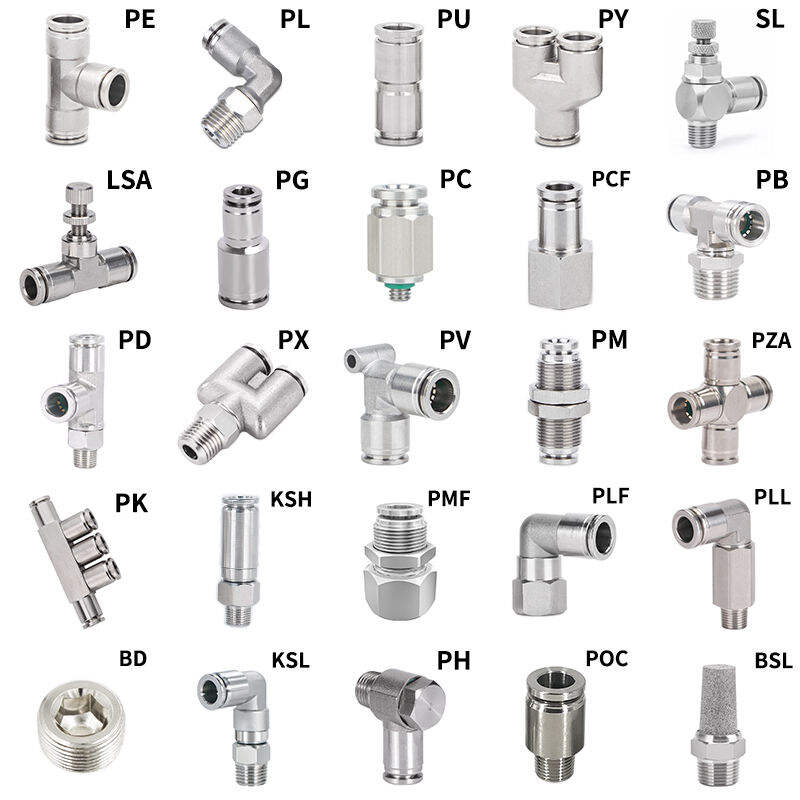
Industrial pneumatic systems rely heavily on the precision and reliability of their components to maintain consistent performance across demanding operational environments. Among these critical components, pneumatic fittings serve as the foundational elements that determine whether a system operates with seamless efficiency or experiences costly disruptions. Understanding how these specialized connectors enhance system stability requires examining their fundamental role in maintaining pressure integrity, preventing leakage, and ensuring reliable connections throughout complex industrial applications.
The stability of industrial pneumatic systems directly correlates with the quality and design characteristics of their fittings, which must withstand significant pressure variations, temperature fluctuations, and mechanical stresses while maintaining airtight seals. Modern pneumatic fittings incorporate advanced engineering principles that address the primary causes of system instability, including pressure drops, air leakage, vibration-induced loosening, and connection failures that can cascade into broader operational disruptions.
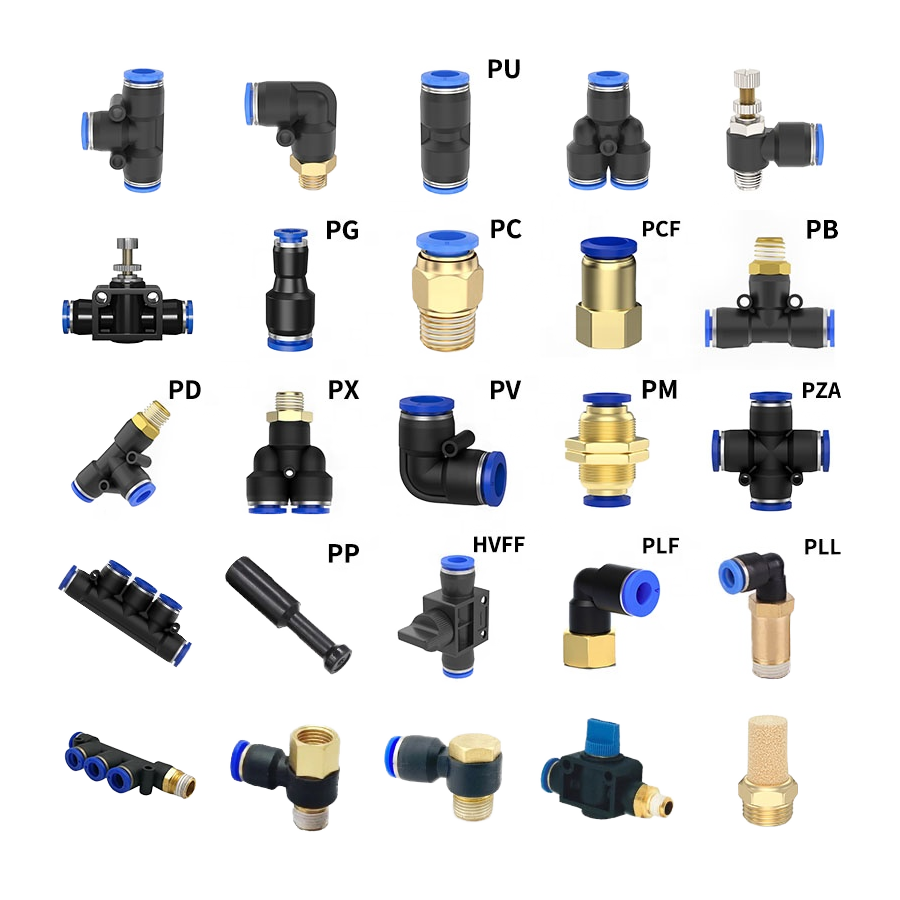
Pressure Integrity and Leak Prevention Mechanisms
Advanced Sealing Technologies
High-quality pneumatic fittings employ sophisticated sealing mechanisms that maintain consistent pressure levels throughout industrial systems by preventing air leakage at connection points. These fittings utilize specialized O-ring configurations, elastomeric seals, and precision-machined surfaces that create hermetic barriers capable of withstanding dynamic pressure changes without compromising seal integrity. The advanced sealing technologies ensure that pneumatic fittings maintain their protective barriers even under extreme operational conditions.
The effectiveness of these sealing systems directly impacts system stability by eliminating pressure fluctuations that can cause erratic actuator behavior, reduced force output, and inconsistent cycle times. Modern pneumatic fittings incorporate multiple redundant sealing elements that provide backup protection against potential seal failures, ensuring continuous system operation even when individual components experience wear or minor damage.
Pressure Drop Minimization
Properly designed pneumatic fittings feature optimized internal flow passages that minimize pressure drops across connection points, maintaining system pressure stability throughout extended operational periods. The streamlined internal geometry reduces turbulence and flow restrictions that can create pressure variations, ensuring that downstream components receive consistent air pressure for reliable operation. These flow-optimized pneumatic fittings contribute significantly to overall system efficiency and performance predictability.
The reduction of pressure drops becomes particularly critical in complex systems with multiple connection points, where cumulative losses can substantially impact overall system performance. Advanced pneumatic fittings address this challenge through computational fluid dynamics optimization that ensures minimal flow restriction while maintaining robust connection strength and sealing effectiveness.
Vibration Resistance and Connection Reliability
Anti-Vibration Design Features
Industrial environments subject pneumatic systems to continuous vibration from machinery operations, which can gradually loosen conventional threaded connections and create system instability over time. Modern pneumatic fittings incorporate anti-vibration design elements such as lock rings, secondary retention mechanisms, and thread-locking compounds that maintain secure connections despite ongoing mechanical stress. These specialized features ensure that fittings remain properly engaged throughout extended operational periods.
The anti-vibration characteristics of advanced pneumatic fittings prevent the gradual loosening that commonly affects standard threaded connections in high-vibration environments. By maintaining consistent connection integrity, these fittings eliminate the pressure fluctuations and intermittent leakage that can destabilize pneumatic system performance and create unpredictable operational behavior.
Quick-Connect Stability Enhancement
Push-to-connect and quick-disconnect pneumatic fittings provide superior connection stability compared to traditional threaded alternatives by eliminating the potential for improper installation and ensuring consistent engagement force. These advanced connection systems use precision-engineered gripping mechanisms that automatically secure tubing with optimal clamping force, preventing both over-tightening and under-tightening scenarios that can compromise system stability.
The self-adjusting nature of quality quick-connect pneumatic fittings accommodates tubing variations and thermal expansion without losing connection integrity, maintaining stable system operation across varying environmental conditions. This automatic adjustment capability ensures consistent performance regardless of installation skill level or environmental factors that might affect conventional threaded connections.
Material Engineering for Enhanced Durability
Corrosion-Resistant Materials
The material composition of pneumatic fittings plays a crucial role in maintaining long-term system stability by resisting corrosion, chemical degradation, and mechanical wear that can compromise connection integrity over time. Advanced pneumatic fittings utilize corrosion-resistant alloys, specialized coatings, and engineered polymers that maintain their structural properties despite exposure to aggressive industrial environments including moisture, chemicals, and extreme temperatures.
The selection of appropriate materials for specific applications ensures that pneumatic fittings retain their dimensional stability and sealing effectiveness throughout their operational lifespan. This material durability prevents the gradual degradation that can lead to increased leakage rates, connection failures, and system instability in critical industrial applications.
Thermal Stability Characteristics
Temperature variations in industrial environments can significantly impact the performance of pneumatic system components, making thermal stability a critical factor in maintaining consistent operation. High-performance pneumatic fittings incorporate materials and designs that accommodate thermal expansion and contraction without compromising seal integrity or connection strength, ensuring stable operation across wide temperature ranges.
The thermal stability of pneumatic fittings prevents the dimensional changes that can create leakage paths or alter connection torque specifications, maintaining consistent system performance regardless of environmental temperature fluctuations. This characteristic becomes particularly important in applications involving heated processes or outdoor installations where temperature variations are significant.
System Integration and Performance Optimization
Flow Characteristic Matching
The flow characteristics of pneumatic fittings must align with overall system requirements to maintain optimal pressure distribution and minimize flow-induced instabilities throughout the pneumatic network. Properly sized and configured pneumatic fittings ensure that air flow patterns remain stable and predictable, preventing pressure oscillations and flow turbulence that can affect downstream component performance.
Advanced pneumatic fittings incorporate flow conditioning features that smooth air flow transitions and reduce pressure fluctuations caused by sudden directional changes or flow restrictions. These design elements contribute to overall system stability by maintaining consistent flow patterns that support reliable actuator operation and precise control system response.
Maintenance Accessibility
The design of pneumatic fittings significantly impacts system maintainability, which directly affects long-term stability through the ability to perform preventive maintenance and address potential issues before they escalate into system failures. Modern pneumatic fittings feature accessible designs that facilitate routine inspection, seal replacement, and connection verification without requiring extensive system disassembly.
The maintenance-friendly characteristics of quality pneumatic fittings enable proactive system care that preserves stability through early detection and correction of potential problems. This accessibility reduces maintenance time while ensuring that system components remain in optimal condition for consistent long-term performance.
FAQ
What are the main causes of instability in pneumatic systems that fittings address?
The primary causes of pneumatic system instability that quality fittings address include air leakage at connection points, pressure drops across fittings, vibration-induced loosening of connections, and thermal expansion effects. Advanced pneumatic fittings combat these issues through superior sealing technologies, optimized flow passages, anti-vibration design features, and materials that maintain dimensional stability across temperature variations.
How do push-to-connect fittings improve system stability compared to threaded connections?
Push-to-connect pneumatic fittings provide enhanced stability through consistent engagement force that eliminates human error in installation, automatic gripping mechanisms that maintain secure connections despite vibration, and self-adjusting designs that accommodate tubing variations. These features prevent the over-tightening or under-tightening common with threaded connections that can compromise seal integrity and system stability.
What role do fitting materials play in maintaining long-term pneumatic system stability?
Fitting materials directly impact long-term stability through their resistance to corrosion, chemical degradation, and mechanical wear that can compromise connection integrity over time. Advanced materials such as corrosion-resistant alloys and engineered polymers maintain their structural properties and dimensional stability despite exposure to aggressive industrial environments, preventing gradual degradation that leads to increased leakage and connection failures.
How can proper fitting selection prevent pressure fluctuations in complex pneumatic systems?
Proper pneumatic fitting selection prevents pressure fluctuations by ensuring optimal flow characteristics that minimize pressure drops, incorporating advanced sealing technologies that prevent air leakage, and utilizing materials that maintain consistent performance across varying environmental conditions. The cumulative effect of quality fittings throughout a complex system maintains stable pressure distribution and prevents the cascade effects of individual component failures.
Table of Contents
- Pressure Integrity and Leak Prevention Mechanisms
- Vibration Resistance and Connection Reliability
- Material Engineering for Enhanced Durability
- System Integration and Performance Optimization
-
FAQ
- What are the main causes of instability in pneumatic systems that fittings address?
- How do push-to-connect fittings improve system stability compared to threaded connections?
- What role do fitting materials play in maintaining long-term pneumatic system stability?
- How can proper fitting selection prevent pressure fluctuations in complex pneumatic systems?