 EN
EN

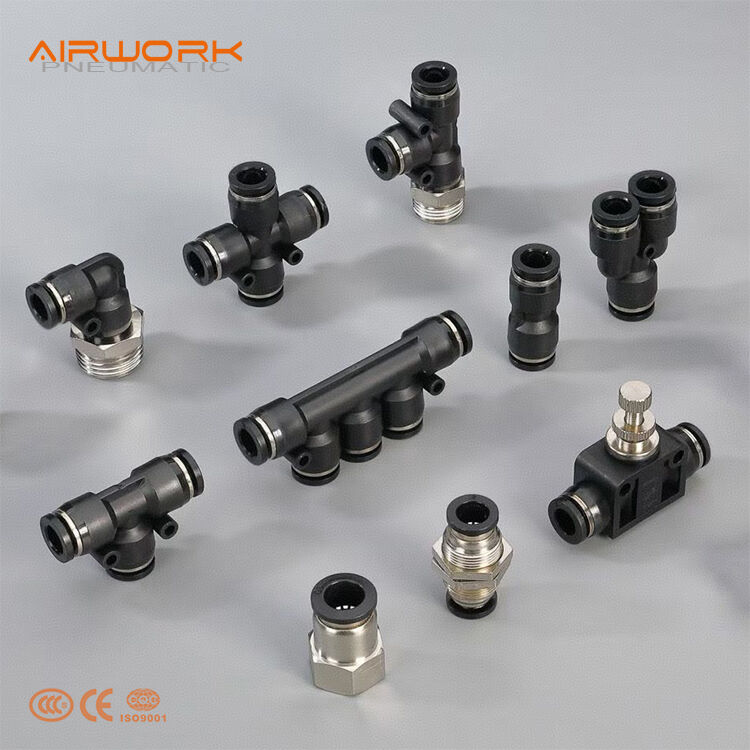
Օդային շղթայի միացման սարքի կապի հավաստիությունը բարելավելու սկզբունքները հասկանալու համար անհրաժեշտ է վերլուծել պնևմատիկ միացման համակարգերի հիմնարար ճարտարագիտական սկզբունքները: Երբ սեղմված օդի համակարգերը աշխատում են փոփոխական ճնշման պայմաններում, միացման կետերը դառնում են կրիտիկական ձախողման գոտիներ, որոնք կարող են վնասել ամբողջ շահագործման աշխատանքային հոսքերը: Օդային շղթայի միացման սարքը ծառայում է որպես ճարտարագիտական միջերես, որը այս վտանգված միացման կետերը վերափոխում է ապահով, հերմետիկ միացումների՝ որոնք կարող են պահպանել հաստատուն աշխատանքային ցուցանիշներ պահանջվող արդյունաբերական պայմաններում:
Հուսալիության բարելավումը, որն ապահովվում է ճիշտ օդատար միացման միջոցների կիրառմամբ, պայմանավորված է մի շարք փոխկապակցված մեխանիզմներով, որոնք վերացնում են սովորական պնևմատիկ համակարգերի թույլ կետերը: Այս մասնագիտացված միացման սարքերը վերացնում են սովորական մետաղալարավոր միացումների հետ կապված անհամաստեղծությունները՝ միաժամանակ ապահովելով բարելավված լուծարման հնարավորություններ, որոնք պահպանում են համակարգի ճնշման ամբողջականությունը տարբեր շահագործման պայմաններում: Այս բարելավման մեխանիզմների հասկանալու դեպքում ձեռնարկությունների վարչության աշխատակիցները և սպասարկման մասնագետները կարող են օպտիմալացնել իրենց սեղմված օդի համակարգերը՝ ապահովելով առավելագույն հուսալիություն և շահագործման արդյունավետություն:
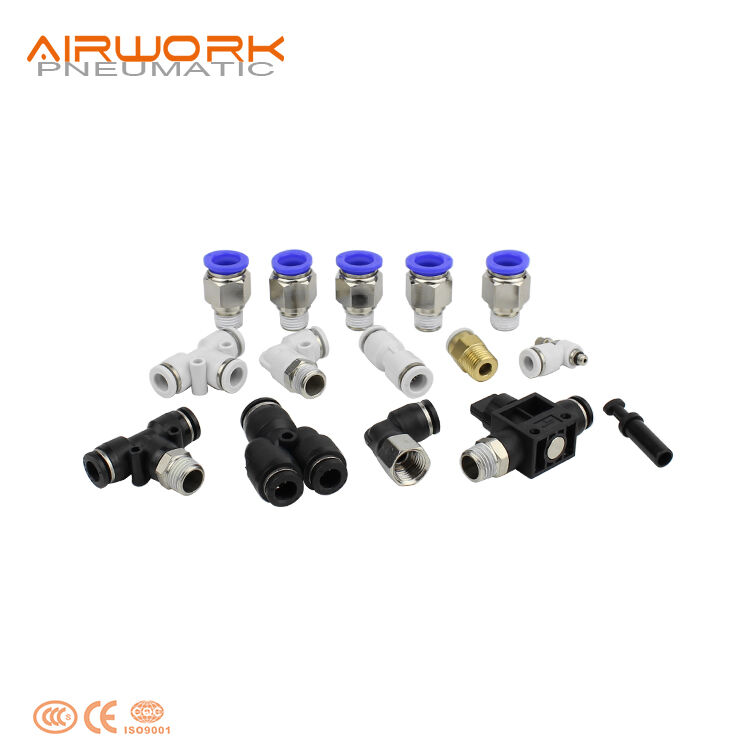
Մեխանիկական լուծարման բարելավման մեխանիզմներ
Զարգացած O-օղակների ինտեգրման համակարգեր
Օդատար միացուցիչը հիմնականում բարելավում է հուսալիությունը իր բարդ սեռափակման ճարտարապետության շնորհիվ: Ի տարբերություն սովորական մետաղալարավոր միացումների, որոնք սեռափակումը հիմնված են միայն մետաղալարերի միմյանց մեջ մտնելու վրա, ժամանակակից միացուցիչները օգտագործում են ճշգրտորեն մշակված O-ձև օղակների համակարգ, որոնք ստեղծում են մի քանի սեռափակման արգելապատնեշ: Այս էլաստոմերային սեռափակիչները հարմարվում են մակերևույթի միկրոսկոպիկ անհամասեռություններին և ստեղծում են գազամերժ արգելապատնեշներ, որոնք կանխում են ճնշման կորուստը՝ նույնիսկ այն դեպքում, երբ միացումները ենթարկվում են ջերմային ընդլայնման կամ մեխանիկական թրթռման:
Օ-ձև օղակի միավորումը օդային լարի միացման մեջ սովորաբար ներառում է երկակի ամրագոտի կառուցվածք, որտեղ առաջնային և երկրորդային ամրագոտի տարրերը աշխատում են համատեղված: Այս կրկնակի ամրագոտման մոտեցումը ապահովում է, որ եթե առաջնային ամրագոտին մաշվի կամ տեղաշարժվի, երկրորդային ամրագոտին պահպանում է համակարգի ամբողջականությունը: Այս ամրագոտի տարրերի նյութական կազմը, որը հաճախ ներառում է նիտրիլ կամ ֆտորապարունակ միացություններ, ապահովում է քիմիական դիմացկունություն յուղի աղտոտման նկատմամբ և ջերմաստիճանային կայունություն արդյունաբերական շահագործման տիրույթում:
Ավելին, Օ-ձև օղակի ճշգրտությամբ տեղադրման համար անհրաժեշտ ճշգրտված մեքենայացման թույլատրելի շեղումները վերացնում են դաշտում հավաքվող մետաղական միացումների մեջ հաճախ հանդիպող փոփոխականությունը: Ճիշտ տեղադրման դեպքում օդային լարի միացումը պահպանում է ամրագոտի տարրերի վրա հաստատուն սեղմում, կանխելով ամրագոտման վատացումը, որը տեղի է ունենում, երբ միացումները չափից շատ կամ չափից քիչ են սեղմվում հավաքման ընթացքում:
Դրական արգելափակման մեխանիզմի դիզայն
Ստատիկ միացման բարելավումներից դուրս, օդային ձողի միացման սարքերի դիզայնում ներառված մեխանիկական արգելափակման համակարգերը դրական փոխազդեցության մեխանիզմների շնորհիվ էապես բարելավում են միացման հավաստիությունը: Այս համակարգերը վերացնում են սայլավորված միացումների մեջ բնորոշ սահմանափակումները, որոնք առաջանում են թարմացման կամ ջերմային ցիկլավորման ժամանակ: Արագ միացման դիզայնները սովորաբար օգտագործում են զսպանակավորված գնդաձև սայլավորված համակարգեր կամ կամերային գործողության մեխանիզմներ, որոնք պահպանում են հաստատուն փոխազդեցության ուժ արտաքին խանգարումներից անկախ:
Դրական ամրացման գործառույթը ապահովում է, որ միացման ամբողջականությունը մնա կայուն սարքավորումների շահագործման ընթացքում՝ կանխելով աստիճանական թուլացումը, որը կարող է հանգեցնել համակարգի աղետալի խափանումների: Երբ պնևմատիկ գործիքները կամ մեքենաները առաջացնում են տատանման ուժեր, ավանդական պտուտակավոր միացումները հակված են ժամանակի ընթացքում թուլացնելուն՝ ստեղծելով արտահոսքի ուղիներ, որոնք նվազեցնում են համակարգի արդյունավետությունը և հուսալիությունը: Օդային խողովակի միակցիչը հակազդում է այդ ուժերին իր մեխանիկական պահպանման համակարգի միջոցով, որը պահպանում է միացումը մինչև միտումնավոր անջատվելը:
Այս մեխանիկական հավաստիությունը տարածվում է նաև հաճախակի միացման և անջատման ցիկլեր ներառող կիրառումների վրա: Արտադրական միջավայրերում, որտեղ գործիքները հաճախ փոխվում են կամ տեղափոխվում, որակյալ միացնիչների համակարգերի հաստատուն միացման բնութագրերը մեծ առավելություն են տալիս: Ճիշտ միացնիչի միացման մասին տրվող դրական հետադարձ կապը նաև նվազեցնում է օպերատորի անորոշությունը՝ նվազեցնելով հավաքման սխալները, որոնք կարող են վտանգել համակարգի հավաստիությունը:
Ճնշման կարգավորում և հոսքի օպտիմալացում
Ներքին հոսքի ճանապարհի ինժեներական մշակում
Լավ նախագծված օդային խողովակի միակցիչի ներքին երկրաչափությունը կարևոր դեր է խաղում համակարգի հուսալիությունը պահպանելու գործում՝ հոսքի օպտիմալացված բնութագրերի միջոցով: Ավանդական խողովակային միացումները հաճախ ստեղծում են տուրբուլենտություն և ճնշման անկումներ, որոնք լարվածություն են առաջացնում հոսանքի ներքևի մասերի վրա և նվազեցնում համակարգի ընդհանուր արդյունավետությունը: Ժամանակակից միակցիչների դիզայնը ներառում է հոսքի ուղիներ, որոնք նվազագույնի են հասցնում ճնշման կորուստները՝ միաժամանակ պահպանելով շերտավոր հոսքի օրինաչափությունները, որոնք նվազեցնում են համակարգի բաղադրիչների մաշվածությունը:
Ճարտարապետական ճիշտ կառուցված միացման միջոցների միջոցով հասած հոսքի օպտիմիզացիան ուղղակիորեն ազդում է համակարգի հուսալիության վրա՝ նվազեցնելով թիրախային ճնշումները պահպանելու համար անհրաժեշտ էներգիայի ծախսերը: Երբ միացումները առաջացնում են կարևոր ճնշման վարდում, սեղմիչները ստիպված են ավելի շատ աշխատել համակարգի ճնշումը պահպանելու համար, ինչը հանգեցնում է ավելի մեծ մաշվածության և ավելի հաճախակի սպասարկման անհրաժեշտության: Օպտիմալ ներքին երկրաչափությամբ օդատար միացման միջոցը նվազեցնում է այս էներգիայի կորուստները, երկարեցնելով սեղմիչի աշխատանքային ժամանակը և բարելավելով համակարգի ընդհանուր հուսալիությունը:
Ավելին, հարթ հոսանքի ճանապարհները նվազեցնում են կավիտացիայի և ճնշման վերահարվածի երևույթները, որոնք կարող են վնասել զգայուն պնևմատիկ բաղադրիչները: Հաստատուն հոսանքի արագությունների և ճնշումների պահպանմամբ բարձրորակ կապակցիչները պաշտպանում են ստորին հոսանքի սարքավորումները հիդրավլիկ վերահարվածի ազդեցությունից, որն ավելի վաղ բաղադրիչների անհաջողության պատճառ է դառնում սեղմված օդի համակարգերում:
Ճնշման պահպանման հնարավորություններ
Առաջադեմ օդատար միացման միջոցների նախագծերը ներառում են ճնշումը պահպանելու հատկություններ, որոնք ապահովում են համակարգի ամբողջականությունը անջատման դեպքերի ժամանակ: Այս անվտանգության մեխանիզմները կանխում են ճնշման հանկարծակի ազատվելը, որը կարող է վնասել սարքավորումները կամ ստեղծել անվտանգության վտանգներ սպասարկման գործողությունների ժամանակ: Միացման միջոցի մարմնում տեղադրված ստուգիչ փականները ապահովում են համակարգի ճնշման պահպանումը միացման կետի երկու կողմերում անջատման դեպքում:
Ճնշման պահպանման այս հնարավորությունը կտրուկ բարելավում է համակարգի ընդհանուր հավաստիությունը՝ կանխելով այն աղտոտման ներթափանցումը, որը տեղի է ունենում, երբ համակարգի բաղադրիչները մատակարարվում են մթնոլորտային պայմանների ազդեցության տակ սպասարկման ընթացքում: Երբ ավանդական միացումները մեկուսացվում են, աղտոտիչները կարող են մտնել համակարգ բաց միացման կետերի միջոցով, ինչը հանգեցնում է բաղադրիչների մաշվածության և հավաստիության նվազման: Օդային հոսի համար միացում հակահոսքային փականներով համակարգերը վերացնում են այս աղտոտման ճանապարհը՝ պահպանելով համակարգի մաքրությունը:
Կառավարվող ճնշման թույլատրման հատկանիշները նաև պաշտպանում են աշխատողներին սուր օդի թույլատրման վտանգից, որը կարող է առաջացնել վնասվածքներ կամ սարքավորումների վնասում: Ճնշման նվազեցման արագության կառավարման և անվերահսկելի ճնշման թույլատրման կանխման միջոցով այս միացման համակարգերը նպաստում են ավելի անվտանգ աշխատանքային միջավայրի ստեղծմանը՝ միաժամանակ պահպանելով համակարգի ամբողջականությունը սպասարկման գործողությունների ընթացքում:
Նյութերի ինժեներական մշակում և կայունության գործոններ
Կոռոզիայի դիմացկունության իրականացում
Նյութի ընտրությունը և մակերեսի մշակման գործընթացները, որոնք օգտագործվում են օդային ձողի միացման մասի արտադրության մեջ, ուղղակիորեն ազդում են երկարաժամկետ հուսալիության վրա՝ բարելավելով կոռոզիայի դիմացկունությունը: Արդյունաբերական միջավայրերում պնևմատիկ միացումները ենթարկվում են խոնավության, քիմիական գոլորշիների և ջերմաստիճանի ծայրահեղ արժեքների, որոնք ժամանակի ընթացքում կարող են վնասել սովորական մետաղային բաղադրիչները: Ծայրահեղ միացման մասերի նորագույն դիզայները օգտագործում են կոռոզիայի դիմացկուն համաձուլվածքներ, պաշտպանիչ ծածկույթներ և նյութերի համադրություններ, որոնք պահպանում են կառուցվածքային ամբողջականությունը դժվարին շահագործման պայմաններում:
Ներկայացված են չժանգոտվող պողպատից կառուցվածք կամ մասնագիտացված ծածկույթներ, որոնք ապահովում են խոնավ կամ քիմիապես ագրեսիվ միջավայրերում հուսալի շահագործման համար անհրաժեշտ միջավայրային դիմացկունությունը: Այս նյութային բարելավումները կանխում են փոսիկավորման կոռոզիան և գալվանական ռեակցիաները, որոնք կարող են վնասել ստանդարտ միացման մասերի սեալավորման մակերեսները և մետաղական մասերը: Երբ միացման մակերեսները մնում են հարթ և չափային կայուն, սեալավորման արդյունավետությունը պահպանվում է միացարանի ամբողջ շահագործման ժամանակ:
Օդատար միացարանների կառուցման համար caրողացված caրողացված նյութերի ներդրումը բերում է արդյունքների՝ նվազեցնելով սպասարկման անհրաժեշտությունը և երկարեցնելով սպասարկման միջակայքերը: Ծովային միջավայրերում, քիմիական մշակման տարածքներում կամ բարձր խոնավության պայմաններում գործող ձեռնարկությունները զգալիորեն օգտվում են ճիշտ ընտրված միացարանների նյութերի բարելավված մշակումից:
Մաշվելու դիմացկունություն և հոգնածության բնութագրեր
Կրկնվող միացման և անջատման ցիկլերը պնևմատիկ միացման համակարգերի վրա լարվածության հոգնածության ազդեցություն են ունենում, որը կարող է հանգեցնել վաղաժամկետ անսարքության, եթե միացման մասի դիզայնում դա ճիշտ չի հաշվի առնվում: Բարձրորակ օդային ձողի միացման մասերի համակարգերը ներառում են մաշվելու դիմացկուն նյութեր և երկրաչափական ձևեր, որոնք լարվածության բեռը բաշխում են մեծ մակերեսների վրա՝ նվազեցնելով հոգնածության ճաքերի առաջացման և տարածման նպաստող գագաթնային լարվածությունը:
Ժամանակակից միացման մասերի մեջ տեղադրված սայլակավորված մեխանիզմները նախատեսված են միլիոնավոր շահագործման ցիկլերի համար՝ պահպանելով միացման ուժի հաստատունությունը: Այս հոգնածության դեմ կայունությունը ապահովում է միացման հավաստիության կայունությունը միացման մասի նախատեսված շահագործման ժամանակահատվածում, կանխելով մաշված միացման համակարգերի բնորոշ սերտերի աստիճանական վատացումը:
Մակերևույթի մետաղագործական ամրապնդման մշակումները և ճշգրտության բարձր մակարդակի արտադրական գործընթացները հետագայում բարելավում են մաշվելու դիմացկունությունը՝ ստեղծելով հարթ և կոշտ մակերևույթներ, որոնք դիմացկուն են գալլինգին և մակերևույթի վնասվածքներին կրկնակի օգտագործման ընթացքում: Այս ճարտարապետական բարելավումները ուղղակիորեն արտահայտվում են համակարգի հուսալիության բարելավման մեջ՝ երկարատև շահագործման ընթացքում կայուն միացման կատարում ապահովելով:
Տեղադրման և սպասարկման հուսալիության առավելություններ
Պարզեցված հավաքման ընթացակարգեր
Ժամանակակից օդային խողովակների միակցիչների համակարգերի կողմից ապահովված հուսալիության բարելավումները գերազանցում են շահագործման արդյունավետությունը՝ ներառելով բարելավված տեղադրման և սպասարկման ընթացակարգեր: Արագ միացման դիզայնը վերացնում է սովորական խողովակների կցամասերի հետ կապված պտտող մոմենտի անորոշությունը և թելերի միացման խնդիրները՝ նվազեցնելով համակարգի հուսալիությունը կարող են վտանգել հավաքման սխալները: Որակյալ միակցիչների կողմից ապահովված դրական միացման հետադարձ կապը ապահովում է ճիշտ տեղադրում ամեն անգամ՝ անկախ օպերատորի փորձի մակարդակից:
Այս տեղադրման հավաստիությունը հատկապես կարևոր է այն կիրառումներում, որտեղ միացումները պետք է կատարվեն սահմանափակ տարածքներում կամ դժվար մատչելի վայրերում: Սովորական մետաղալարավորված միացումները պահանջում են հատուկ բեռնվածության արժեքներ և մետաղալարավորման լուծույթներ, որոնք դաշտային պայմաններում ճիշտ կիրառելը կարող է դժվար լինել: Օդատար մալույթի միացարանը ապահովում է հավաստի լուծում՝ առանց մասնագիտացված գործիքների կամ ճշգրիտ բեռնվածության կիրառման անհրաժեշտության, ինչը բարելավում է տեղադրման համասեռությունը տարբեր շահագործման միջավայրերում:
Միացարանի տեղադրման պարզեցված բարդությունը նաև նվազեցնում է սպասարկման անձնակազմի վերապատրաստման պահանջները՝ միաժամանակ նվազեցնելով համակարգի հավաքման ընթացքում մարդկային սխալների հնարավորությունը: Այս գործոնները կարևոր ներդրում են կատարում համակարգի ընդհանուր հավաստիության մեջ՝ ապահովելով, որ միացումները ճիշտ են կատարվում ինչպես սկզբնական տեղադրման, այնպես էլ հետագա սպասարկման ընթացքում:
Նախատեսված սպասարկման համատեղելիություն
Ժամանակակից օդային խողովակների միակցիչների դիզայնը հեշտացնում է կանխատեսողական սպասարկման ռազմավարությունները՝ իրենց կայուն կատարողական բնութագրերի և խափանման ռեժիմի կանխատեսելիության միջոցով: Ի տարբերություն պտուտակավոր միացումների, որոնք կարող են աստիճանաբար խափանվել թուլացման կամ կնքման քայքայման պատճառով, որակյալ միակցիչները ապահովում են հստակ կատարողականի ցուցանիշներ, որոնք հնարավորություն են տալիս կանխարգելիչ սպասարկման ժամանակացույց կազմել՝ նախքան հուսալիության հետ կապված խնդիրների առաջացումը:
Բարձրորակ միացման սարքերի ստանդարտացված շահագործման բնութագրերը հնարավորություն են տալիս սպասարկման թիմերին սահմանել հիմնական շահագործման չափանիշներ և հսկել դրանց շեղումները, որոնք ցույց են տալիս մոտալուտ սպասարկման անհրաժեշտությունը: Այս կանխատեսող հնարավորությունը թույլ է տալիս սպասարկումն իրականացնել պլանավորված կանգառների ընթացքում, այլ ոչ թե արտահայտված ձախողումներից հետո՝ ռեակտիվ վերանորոգումներ կատարել, որոնք կարող են խախտել արտադրական գործընթացները:
Ավելին, միացման համակարգերի մոդուլային բնույթը հնարավորություն է տալիս ընտրովի փոխարինել մաշված բաղադրիչները՝ առանց ամբողջ համակարգի քայքայման անհրաժեշտության: Այս սպասարկման արդյունավետությունը նվազեցնում է անջատման ժամանակը՝ միաժամանակ ապահովելով համակարգի հավաստիությունը՝ հիմնված վիճակի վերահսկման տվյալների վրա կատարվող ժամանակին բաղադրիչների փոխարինման վրա, այլ ոչ թե կամայական ժամանակահատվածների վրա:
Հաճախադեպ տրվող հարցեր
Ի՞նչն է օդային խողովակի միակցիչը դարձնում ավելի հուսալի, քան պտուտակավոր խողովակի միակցիչները։
Օդատարի միացման մասը բարելավում է հուսալիությունը՝ ունենալով մի շարք ճարտարագիտական առավելություններ մետաղական միացման մասերի նկատմամբ, այդ թվում՝ ճշգրտորեն մշակված O-ձև սեղմանային համակարգեր, որոնք վերացնում են պտտման մոմենտի կախվածությունից առաջացող սեղմանային փոփոխականությունը, դրական արգելափակման մեխանիզմներ, որոնք կանխում են թարթումից առաջացած սահունացումը, և օպտիմալացված ներքին հոսքի երկրաչափություն, որը նվազեցնում է ճնշման վարկանիշների անկումը և համակարգի վրա գործադրվող լարումը: Այս կոնստրուկտիվ առանձնահատկությունները միասին ապահովում են հաստատուն սեղմանային կատարողականություն՝ անկախ տեղադրման տարբերակներից կամ շրջակա միջավայրի պայմաններից, որոնք սովորաբար ազդում են մետաղական միացման մասերի վրա:
Ինչպե՞ս են արագ միացման օդատարի միացման մասերը պահպանում սեղմանային ամբողջականությունը ճնշման տատանումների ժամանակ:
Արագ միացման օդատար միացուցիչները պահպանում են լուսափակման ամբողջականությունը՝ օգտագործելով երկակի արգելափակման համակարգեր, որտեղ առաջնային և երկրորդային O-օղակները ստեղծում են կրկնակի ճնշման պահպանման արգելափակիչներ: Սայլավորված միացման մեխանիզմները ինքնաբերաբար հարմարվում են ջերմային ընդլայնմանը և մեխանիկական շարժմանը՝ միաժամանակ պահպանելով լուսափակման տարրերի վրա հաստատուն սեղմում: Այս դինամիկ լուսափակման հնարավորությունը ապահովում է, որ ճնշման տատանումները չեն վնասում միացման ամբողջականությունը, ի տարբերություն կոշտ մետաղական միացումների, որոնք կարող են առաջացնել արտահոսումներ ճնշման ցիկլավորման կամ ջերմային լարվածության ազդեցությամբ:
Ի՞նչ դեր է խաղում նյութի ընտրությունը օդատար միացուցիչների հավաստիության մեջ:
Նյութի ընտրությունը կարևոր ազդեցություն է ունենում օդային ձողի միացման մասերի հուսալիության վրա՝ կոռոզիայի դիմացկունության, մաշվելու բնութագրերի և կրկնվող միացման ցիկլերի ժամանակ վատթարման դիմացկունության միջոցով: Առաջադեմ միացման մասերը օգտագործում են կոռոզիայի դիմացկուն համաձուլվածքներ, մասնագիտացված պատվաստումներ և ճարտարապետաբար մշակված էլաստոմերներ, որոնք պահպանում են չափային կայունությունը և մակերևույթի վերջնական մշակման ամբողջականությունը բարդ արդյունաբերական միջավայրերում: Այս նյութային բարելավումները կանխում են աստիճանաբար վատթարման ընթացքը, որը վնասում է սեալինգի մակերևույթները և մեխանիկական բաղադրիչները սովորական միացման մասերում, ապահովելով համապատասխան աշխատանքային ցուցանիշներ երկարատև շահագործման ընթացքում:
Ինչպե՞ս են օդային ձողի միացման մասերը բարելավում սպասարկման արդյունավետությունը և համակարգի աշխատանքային ժամանակը:
Օդատար միացուցիչները բարելավում են սպասարկման արդյունավետությունը՝ պարզեցնելով տեղադրման ընթացակարգերը, որոնք վերացնում են պտտման մոմենտի պահանջները և թելային ամրացման միջոցների կիրառումը, ինչը նվազեցնում է հավաքման ժամանակը և նվազեցնում է տեղադրման սխալների հավանականությունը: Արագ միացման ֆունկցիոնալությունը թույլ է տալիս արագ փոխել սարքավորումները և վերակազմավորել համակարգը՝ առանց գործիքների, իսկ ինտեգրված ստուգողական փականները կանխում են աղտոտման ներթափանցումը և ճնշման կորուստը սպասարկման ընթացքում: Այս հատկանիշները նվազեցնում են պլանավորված անաշխատունակությունը՝ միաժամանակ հնարավորություն տալով կատարել կանխատեսող սպասարկում՝ հիմնված համաստեղ կատարման ցուցանիշների վրա, այլ ոչ թե կամայական փոխարինման գրաֆիկների:
Բովանդակության ցուցակ
- Մեխանիկական լուծարման բարելավման մեխանիզմներ
- Ճնշման կարգավորում և հոսքի օպտիմալացում
- Նյութերի ինժեներական մշակում և կայունության գործոններ
- Տեղադրման և սպասարկման հուսալիության առավելություններ
-
Հաճախադեպ տրվող հարցեր
- Ի՞նչն է օդային խողովակի միակցիչը դարձնում ավելի հուսալի, քան պտուտակավոր խողովակի միակցիչները։
- Ինչպե՞ս են արագ միացման օդատարի միացման մասերը պահպանում սեղմանային ամբողջականությունը ճնշման տատանումների ժամանակ:
- Ի՞նչ դեր է խաղում նյութի ընտրությունը օդատար միացուցիչների հավաստիության մեջ:
- Ինչպե՞ս են օդային ձողի միացման մասերը բարելավում սպասարկման արդյունավետությունը և համակարգի աշխատանքային ժամանակը: