 EN
EN

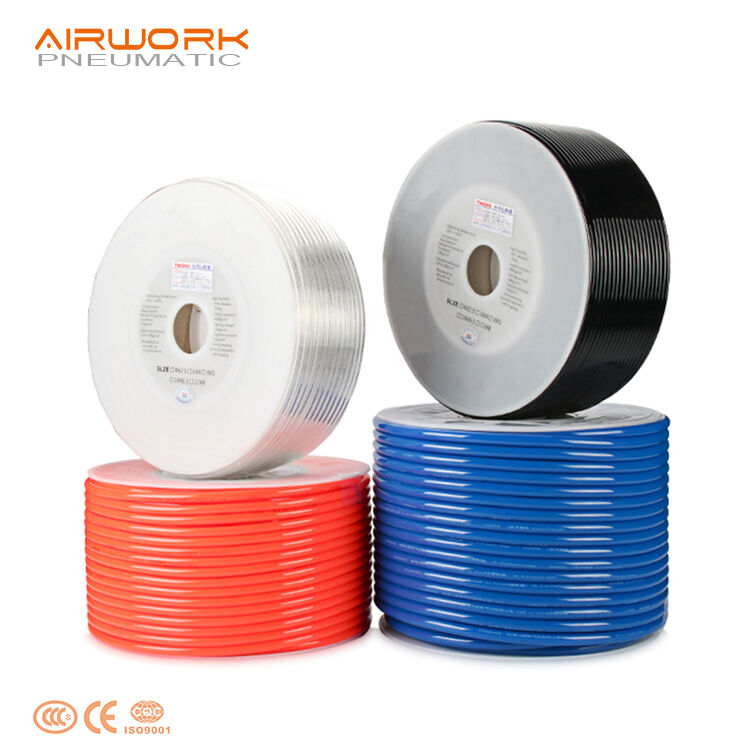
In modern factory environments, compressed air systems serve as the lifeblood of countless industrial operations, and the air hose represents a critical component that directly impacts equipment performance, operational efficiency, and workplace safety. Understanding why an air hose is essential for equipment operation reveals the fundamental role these flexible conduits play in transferring pneumatic power from central compressor systems to end-use tools and machinery throughout manufacturing facilities.
The importance of an air hose extends far beyond simple air delivery, encompassing critical factors such as pressure maintenance, contamination prevention, operational flexibility, and system reliability. Factory operators who recognize the strategic value of proper air hose selection and maintenance position their facilities for enhanced productivity, reduced downtime, and improved worker safety while maximizing the return on investment from their compressed air infrastructure.
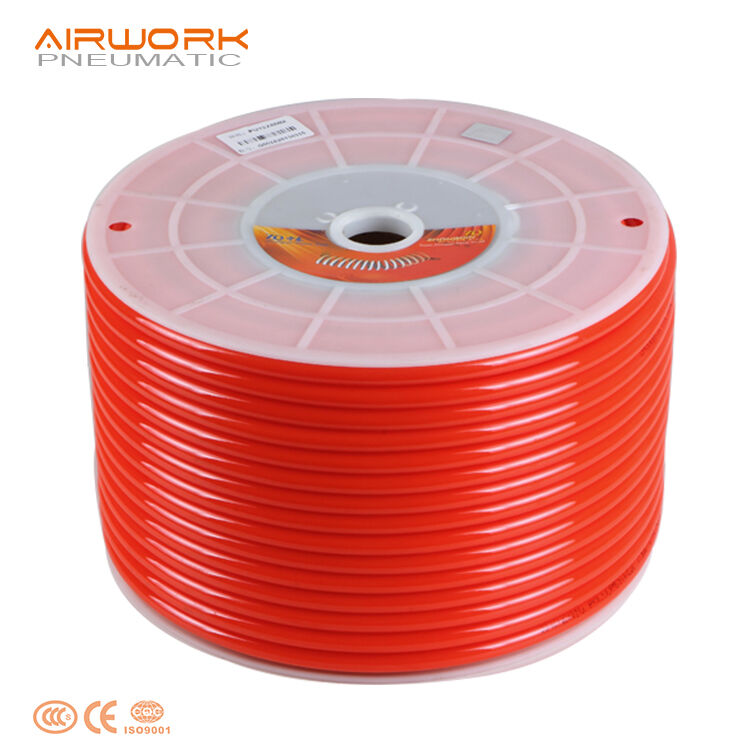
Pneumatic Power Distribution and System Integration
Central Compressed Air Distribution Networks
Factory compressed air systems rely on an air hose network to distribute pneumatic energy from central compressor stations to dispersed equipment locations across the manufacturing floor. The air hose serves as the flexible connection point that bridges rigid piping infrastructure with mobile or stationary pneumatic tools, enabling efficient power transmission while accommodating equipment positioning requirements and operational movements.
Modern industrial facilities generate compressed air at centralized locations to achieve economies of scale and optimize energy efficiency, making the air hose distribution network essential for delivering this power source to where it is needed most. Without properly designed air hose connections, even the most sophisticated compressor systems cannot effectively support distributed manufacturing operations or provide the operational flexibility required in dynamic production environments.
The air hose also enables quick equipment reconfiguration and production line modifications without requiring permanent piping changes, supporting lean manufacturing principles and rapid response to changing production demands. This flexibility proves particularly valuable in facilities that frequently adjust layouts, introduce new equipment, or adapt to varying product specifications throughout different production cycles.
Equipment Mobility and Operational Flexibility
Portable pneumatic equipment depends entirely on air hose connections to function effectively, as these tools cannot operate independently of compressed air sources. The air hose provides the essential link that allows workers to use pneumatic impact wrenches, sanders, grinders, and other portable tools throughout the factory while maintaining connection to the central power source.
Factory maintenance operations particularly benefit from air hose flexibility, as technicians can access equipment in confined spaces, elevated positions, or remote locations while maintaining pneumatic tool functionality. The ability to extend pneumatic power through properly sized air hose assemblies enables comprehensive maintenance coverage without requiring multiple compressor installations or compromising tool performance.
Production flexibility also depends on air hose connectivity, as manufacturing processes often require pneumatic actuators, cylinders, and control systems that must be repositioned or reconfigured based on product specifications. The air hose allows these critical components to maintain pneumatic power while accommodating the positional adjustments necessary for efficient production operations.
Pressure Regulation and Performance Optimization
Maintaining Optimal Operating Pressures
The air hose plays a crucial role in maintaining appropriate operating pressures for pneumatic equipment by providing a controlled pathway for compressed air delivery while minimizing pressure losses that could compromise tool performance. Properly selected air hose specifications ensure that downstream equipment receives adequate pressure levels to operate at designed capacity and efficiency.
Pressure drop calculations become critical when designing air hose systems, as undersized hoses create restrictions that reduce available pressure at the point of use. An appropriately sized air hose maintains pressure levels necessary for optimal equipment operation while preventing the energy waste and performance degradation associated with inadequate air flow capacity.
Industrial pneumatic systems require consistent pressure delivery to ensure reliable actuator operation, proper tool speed control, and accurate process control responses. The air hose must be capable of delivering stable pressure levels despite variations in demand, distance from the compressor, and simultaneous equipment operation throughout the facility.
Air Flow Management and System Efficiency
Efficient air flow management through properly designed air hose systems directly impacts overall compressed air system efficiency and operational costs. The air hose internal diameter, length, and routing configuration all influence flow characteristics and determine whether equipment receives adequate air volume for optimal performance.
Factory compressed air systems consume significant amounts of energy, making air flow efficiency through the air hose network a critical factor in overall operational costs. Optimized air hose selection minimizes pressure losses, reduces compressor workload, and helps maintain system efficiency while supporting multiple equipment operations simultaneously.
The air hose also enables effective air flow control through integrated shut-off valves, quick-disconnect couplings, and flow regulation devices that allow operators to manage pneumatic power distribution based on immediate operational requirements. This control capability helps prevent air waste while ensuring that critical equipment receives priority access to compressed air resources during peak demand periods.
Safety and Contamination Prevention
Workplace Safety and Risk Mitigation
Safety considerations make the air hose a critical component for protecting workers and equipment in industrial environments where high-pressure compressed air systems pose significant hazards if not properly controlled and contained. Quality air hose construction prevents dangerous pressure releases, whipping injuries, and equipment damage that could result from hose failures or improper connections.
The air hose serves as a safety barrier that contains compressed air within controlled pathways, preventing uncontrolled releases that could cause injury or damage nearby equipment and materials. Proper air hose selection includes consideration of burst pressure ratings, safety factors, and failure mode characteristics to ensure safe operation under normal and abnormal operating conditions.
Factory safety protocols often require specific air hose specifications, including color coding, pressure ratings, and connection types that help workers identify appropriate applications and prevent misuse that could create hazardous situations. Compliance with safety standards depends on using properly rated air hose assemblies that meet or exceed the requirements for specific industrial applications.
Air Quality Protection and System Cleanliness
Contamination prevention represents a crucial function of the air hose system, as industrial compressed air often contains moisture, oil, and particulate matter that could damage sensitive pneumatic equipment or compromise product quality in manufacturing processes. The air hose must provide a clean pathway that prevents additional contamination while maintaining air quality standards required for specific applications.
Manufacturing processes that require clean compressed air, such as food processing, pharmaceutical production, or precision assembly operations, depend on air hose systems that do not introduce contaminants or allow external contamination to enter the air stream. Specialized air hose materials and construction methods help maintain air purity while providing reliable service in demanding industrial environments.
The air hose also supports filtration and air treatment systems by providing contamination-resistant connections that maintain the effectiveness of upstream air cleaning equipment. Proper air hose selection prevents degradation of air quality between treatment points and end-use applications, ensuring that investment in air quality improvement delivers intended benefits.
Operational Reliability and Maintenance Efficiency
Equipment Uptime and Production Continuity
Production continuity in factory operations depends heavily on reliable air hose performance, as pneumatic equipment failures often trace back to air supply interruptions, pressure losses, or connection problems within the air hose system. Robust air hose construction and proper installation practices help ensure consistent pneumatic power delivery that supports uninterrupted manufacturing operations.
The air hose represents a potential single point of failure that could shut down multiple pieces of equipment or entire production lines if not properly maintained and replaced according to manufacturer recommendations. Proactive air hose management prevents unexpected failures that could result in costly production delays and emergency repairs during critical manufacturing periods.
Modern factory operations require predictable equipment availability, making air hose reliability a fundamental requirement for meeting production schedules and customer commitments. Investment in quality air hose systems and preventive maintenance programs helps ensure that pneumatic equipment remains available when needed while minimizing the risk of supply chain disruptions.
Maintenance Access and System Serviceability
Maintenance efficiency improves significantly when air hose systems provide easy access to pneumatic equipment while supporting quick connection and disconnection for service activities. Properly designed air hose installations include quick-disconnect couplings and strategically positioned connection points that allow maintenance technicians to work efficiently without extensive system shutdowns.
The air hose system also supports predictive maintenance activities by providing access points for pressure monitoring, air quality testing, and system performance evaluation. These capabilities enable maintenance teams to identify potential problems before they cause equipment failures while optimizing compressed air system performance through data-driven maintenance decisions.
Standardized air hose connections and replacement procedures help reduce maintenance training requirements and improve response times during emergency repairs. When maintenance teams can quickly identify and replace air hose assemblies using standard tools and procedures, overall equipment availability improves while maintenance costs decrease through more efficient service activities.
FAQ
What happens to factory equipment when air hose systems fail?
When air hose systems fail, pneumatic equipment immediately loses power and stops functioning, potentially causing production line shutdowns, incomplete manufacturing processes, and safety hazards from sudden equipment stops. The cascade effect can impact multiple workstations simultaneously, leading to significant productivity losses and potential quality issues with products in process. Recovery time depends on the extent of the failure and availability of replacement parts, often requiring hours or even days to restore full production capacity.
How does air hose sizing affect factory equipment performance?
Air hose sizing directly impacts equipment performance through pressure drop characteristics, with undersized hoses creating flow restrictions that reduce available pressure and air volume at the point of use. This results in slower tool operation, reduced actuator force, inconsistent process control, and increased energy consumption as compressors work harder to maintain system pressure. Properly sized air hoses ensure optimal equipment performance while minimizing operating costs and preventing premature equipment wear.
Why do different factory applications require specific air hose types?
Different factory applications require specific air hose types because operating conditions vary significantly in terms of pressure requirements, temperature exposure, chemical compatibility, flexibility needs, and safety standards. Food processing facilities need FDA-approved materials, while welding operations require spark-resistant hoses, and outdoor applications demand weather-resistant construction. Using inappropriate air hose types can result in premature failure, contamination issues, safety violations, or poor equipment performance that compromises manufacturing objectives.
Can factory productivity improve through better air hose management?
Factory productivity can improve substantially through better air hose management, including proper sizing, routing, maintenance scheduling, and replacement planning that ensures consistent pneumatic power delivery to all equipment. Improved air hose systems reduce downtime, eliminate pressure-related performance issues, enable faster equipment setup and changeover, and support more efficient maintenance activities. These improvements typically result in measurable increases in overall equipment effectiveness and reduced operational costs throughout the manufacturing facility.