 EN
EN

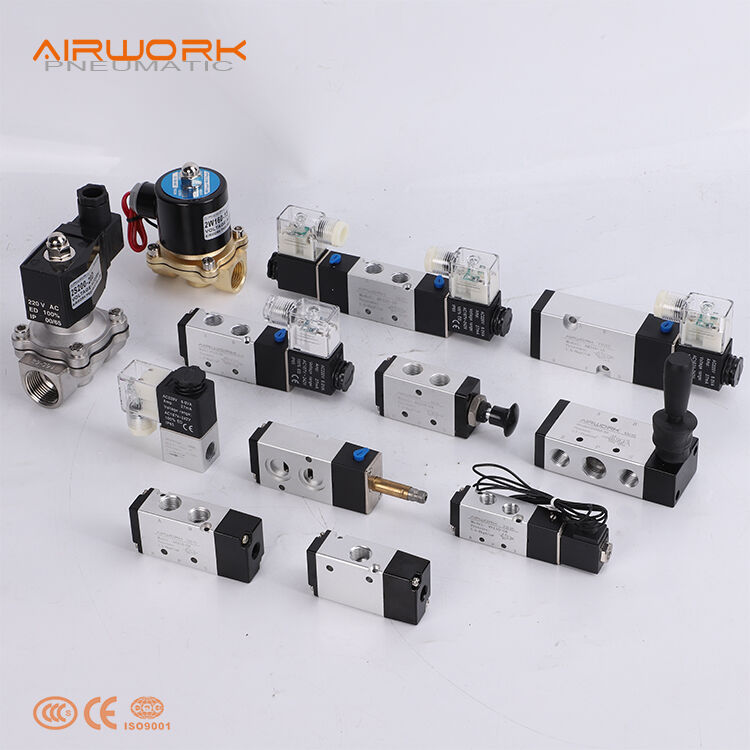
Pneumatic parts serve as the foundation for countless industrial operations, transforming compressed air into precise mechanical motion that drives manufacturing, automation, and process control systems. Understanding how pneumatic parts enhance performance requires examining their fundamental role in converting air pressure into reliable, controllable force that can be precisely modulated to meet specific operational requirements across diverse industrial environments.
The performance enhancement capabilities of pneumatic parts stem from their ability to deliver instant response times, generate substantial force output, and maintain consistent operation under varying load conditions. Modern industrial applications demand systems that can adapt quickly to changing production requirements while maintaining precise control over speed, position, and force application, making pneumatic parts essential components in achieving optimal operational efficiency.
Force Generation and Power Transmission Mechanisms
Air Pressure Conversion to Mechanical Force
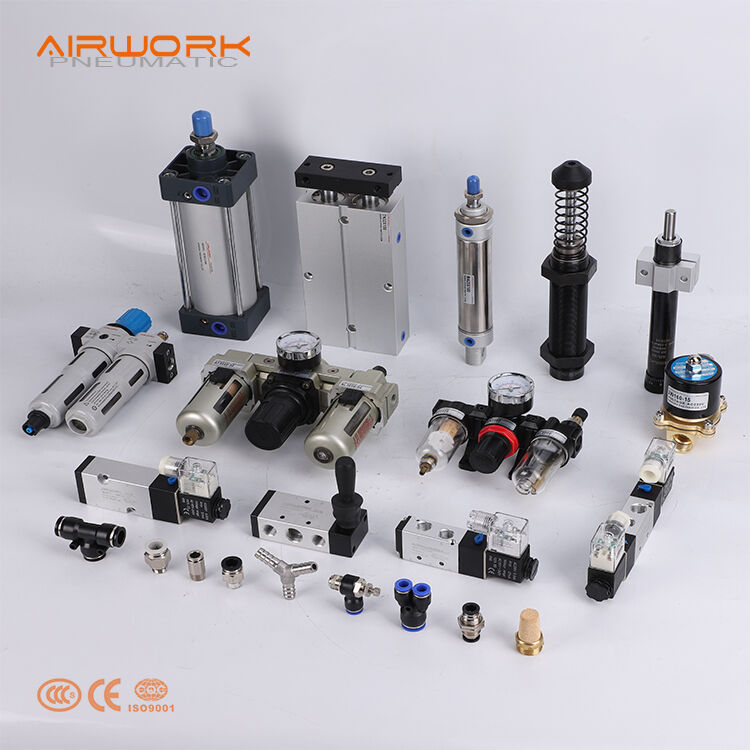
Pneumatic parts excel at converting compressed air energy into mechanical force through precisely engineered cylinders and actuators that multiply input pressure into substantial output force. The fundamental principle involves air pressure acting against piston surfaces to generate linear or rotary motion, with force output directly proportional to air pressure and effective piston area. This relationship allows engineers to calculate exact force requirements and select appropriate pneumatic parts to meet specific application demands.
Industrial pneumatic systems typically operate at pressures ranging from 80 to 120 PSI, enabling single pneumatic parts to generate forces from several pounds to thousands of pounds depending on cylinder bore diameter and design specifications. The ability to achieve high force output with relatively lightweight components makes pneumatic parts particularly valuable in applications where weight constraints limit the use of electric or hydraulic alternatives.
Force multiplication through pneumatic parts occurs without the complexity of gear trains or mechanical linkages, providing direct force transmission that minimizes energy losses and maintenance requirements. This direct conversion mechanism ensures that pneumatic parts can deliver consistent force output across their operating range while maintaining precise control over force application timing and duration.
Power Density and Efficiency Characteristics
The power density characteristics of pneumatic parts enable compact system designs that deliver exceptional performance relative to component size and weight. Modern pneumatic cylinders and actuators achieve power-to-weight ratios that often exceed electric and hydraulic alternatives, particularly in applications requiring rapid cycling or high-frequency operation where the inherent responsiveness of compressed air provides significant advantages.
Energy efficiency in pneumatic parts has improved significantly through advanced seal designs, optimized port configurations, and reduced internal friction components that minimize air consumption while maximizing useful work output. These efficiency improvements translate directly into reduced operating costs and enhanced overall system performance, particularly in high-duty-cycle applications where pneumatic parts operate continuously throughout production shifts.
The instantaneous availability of compressed air eliminates the warm-up periods required by hydraulic systems and provides immediate full-force capability that enhances production throughput. This characteristic makes pneumatic parts particularly valuable in applications requiring frequent start-stop cycles or emergency stopping capabilities where immediate response is critical for safety and productivity.
Speed and Response Time Optimization
Rapid Actuation Capabilities
Pneumatic parts deliver exceptional speed performance through the compressible nature of air that enables rapid pressure changes and corresponding fast actuation cycles. The low mass of air compared to hydraulic fluids allows pneumatic parts to achieve acceleration rates that often exceed other power transmission methods, making them ideal for high-speed packaging, sorting, and assembly operations where cycle time directly impacts productivity.
Speed control in pneumatic parts can be precisely managed through flow control valves, pressure regulators, and cushioning mechanisms that allow operators to optimize motion profiles for specific applications. This controllability enables pneumatic parts to provide smooth acceleration and deceleration curves that minimize shock loads on machinery while maintaining rapid overall cycle times essential for efficient industrial operations.
The ability to achieve stroking speeds exceeding several feet per second with standard pneumatic parts makes them particularly valuable in applications requiring rapid positioning or quick-action clamping where delay times must be minimized to maintain production flow. Advanced pneumatic parts incorporate specialized porting and valve designs that further enhance speed capabilities while maintaining precise position control.
Response Time Minimization Strategies
Response time optimization in pneumatic parts involves careful attention to air volume management, valve sizing, and piping configuration to minimize the time between control signal initiation and actual motion beginning. Reducing dead volume in pneumatic circuits through proper component selection and installation techniques can dramatically improve response times, enabling pneumatic parts to react to control inputs within milliseconds.
Modern pneumatic parts incorporate quick-exhaust valves and pilot-operated mechanisms that accelerate both extending and retracting motions by providing dedicated exhaust paths and reducing back-pressure effects. These design features ensure that pneumatic parts can maintain consistent response times even under varying load conditions or when operating at different speeds.
Electronic control integration with pneumatic parts enables predictive positioning and pre-pressurization strategies that further reduce apparent response times by anticipating motion requirements and preparing pneumatic parts for immediate actuation. This integration capability makes pneumatic parts compatible with modern automation systems that demand precise timing coordination across multiple machine functions.
Precision Control and Positioning Accuracy
Position Feedback and Control Systems
Precision control in pneumatic parts has advanced significantly through integration with electronic position feedback systems that provide real-time location data enabling closed-loop control strategies. Modern pneumatic parts can achieve positioning accuracies within thousandths of an inch when equipped with appropriate sensors and control electronics, making them suitable for applications previously reserved for servo-electric systems.
Proportional control valves working in conjunction with pneumatic parts enable infinite positioning capability within the stroke range, allowing operators to program specific positions and motion profiles that optimize performance for particular applications. This level of control precision enables pneumatic parts to perform complex motion sequences that enhance overall machine capability and productivity.
Force control capabilities in advanced pneumatic parts allow regulation of applied force independent of position, enabling delicate handling operations and consistent clamping pressures that protect workpieces while ensuring secure holding. This force control capability makes pneumatic parts particularly valuable in assembly operations where consistent force application is critical for product quality.
Repeatability and Consistency Factors
Repeatability in pneumatic parts depends on consistent air pressure supply, proper component sizing, and elimination of mechanical clearances that can introduce position variations. Modern pneumatic parts achieve repeatability specifications of ±0.001 inches or better when properly applied and maintained, providing the consistency required for precision manufacturing operations.
Temperature stability of pneumatic parts contributes to consistent performance across varying environmental conditions, as compressed air systems are less sensitive to temperature changes than hydraulic fluids that can experience significant viscosity variations. This stability ensures that pneumatic parts maintain consistent performance characteristics throughout production shifts and seasonal temperature variations.
Long-term repeatability of pneumatic parts is maintained through proper filtration and lubrication of compressed air supplies that prevent contamination and wear of internal components. Well-maintained pneumatic parts can operate for millions of cycles while maintaining their original positioning accuracy and force output characteristics, providing reliable performance over extended service life.
Reliability and Maintenance Advantages
Durability Under Industrial Conditions
Industrial durability of pneumatic parts stems from their inherently robust construction and the self-lubricating properties of compressed air systems that reduce internal wear and extend component life. The absence of complex mechanical linkages or electronic components within basic pneumatic parts minimizes failure points and enhances reliability in demanding industrial environments where vibration, temperature extremes, and contamination are common challenges.
Pneumatic parts demonstrate exceptional resistance to overload conditions due to the compressible nature of air that provides inherent pressure relief when excessive forces are encountered. This characteristic prevents damage to pneumatic parts and connected machinery when unexpected obstacles or binding conditions occur, reducing maintenance requirements and preventing costly equipment damage.
The simple operating principles of pneumatic parts contribute to their reliability by eliminating complex control electronics or precise mechanical adjustments that can drift over time or fail under harsh conditions. This simplicity enables pneumatic parts to operate reliably in environments where electronic controls might be compromised by electromagnetic interference or extreme temperatures.
Maintenance Simplification Benefits
Maintenance requirements for pneumatic parts are typically limited to periodic lubrication, seal replacement, and air filter service, making them more cost-effective to maintain than complex electromechanical alternatives. The modular design of most pneumatic parts enables quick replacement of individual components without requiring specialized tools or extensive system shutdown, minimizing production interruptions.
Diagnostic capabilities of modern pneumatic parts enable predictive maintenance strategies through monitoring of operating pressures, cycle counts, and performance parameters that indicate when service is required. This predictive approach allows maintenance teams to schedule service during planned downtime rather than responding to unexpected failures that disrupt production schedules.
The standardized nature of pneumatic parts and their components enables maintenance personnel to stock common replacement parts that fit multiple applications, reducing inventory requirements and enabling faster repair turnaround times. This standardization also simplifies training requirements for maintenance staff who can apply their pneumatic knowledge across diverse applications and equipment types.
Application-Specific Performance Benefits
Manufacturing Process Enhancement
Manufacturing applications benefit from pneumatic parts through their ability to provide consistent, repeatable motions that enhance product quality and production efficiency. In assembly operations, pneumatic parts enable precise component positioning and controlled insertion forces that ensure proper fit and finish while preventing damage to delicate parts or assemblies.
Packaging applications leverage the speed and precision of pneumatic parts to achieve high-throughput operations while maintaining package integrity and consistent sealing forces. The rapid cycling capability of pneumatic parts enables packaging machinery to meet demanding production rates while providing the precise timing required for proper package formation and sealing.
Material handling systems utilize pneumatic parts for rapid sorting, positioning, and transfer operations that maximize throughput while minimizing product damage. The gentle yet positive action of properly controlled pneumatic parts makes them ideal for handling fragile products or materials that require careful manipulation during processing or packaging operations.
Automation System Integration
Integration of pneumatic parts with automated control systems enables sophisticated motion control strategies that optimize machine performance while simplifying operator interfaces. Modern automation platforms can coordinate multiple pneumatic parts to perform complex synchronized motions that would be difficult to achieve with mechanical linkages or other drive technologies.
Safety system integration with pneumatic parts provides fail-safe operation through air pressure monitoring and emergency shutdown capabilities that immediately stop all motion when safety conditions are not met. This integration capability makes pneumatic parts particularly valuable in applications where operator safety is paramount and reliable emergency stopping is required.
Data collection capabilities of electronically controlled pneumatic parts enable performance monitoring and optimization that improves overall equipment effectiveness. By monitoring cycle times, force applications, and operating parameters, manufacturing systems can optimize pneumatic parts performance to maximize productivity while minimizing energy consumption and wear.
FAQ
What factors determine the optimal pressure setting for pneumatic parts in industrial applications?
Optimal pressure settings for pneumatic parts depend on required force output, component specifications, speed requirements, and energy efficiency goals. Generally, operating at the lowest pressure that meets performance requirements maximizes component life while minimizing air consumption. Most industrial applications operate pneumatic parts between 80-100 PSI, though specific requirements may dictate higher or lower pressures based on load calculations and manufacturer recommendations.
How do pneumatic parts compare to electric actuators in terms of maintenance requirements and total cost of ownership?
Pneumatic parts typically require less complex maintenance than electric actuators, with routine service limited to lubrication, seal replacement, and air system maintenance. While electric actuators may have lower energy costs in some applications, pneumatic parts often provide lower total cost of ownership due to simpler maintenance requirements, longer service life in harsh environments, and lower initial investment costs. The optimal choice depends on specific application requirements including duty cycle, environment, and precision needs.
What performance improvements can be expected when upgrading from basic to advanced pneumatic parts?
Upgrading to advanced pneumatic parts can provide significant performance improvements including faster response times, higher positioning accuracy, better speed control, and enhanced durability. Advanced components often feature improved seal designs, optimized internal geometries, and integrated sensors that enable more precise control and monitoring. These improvements typically result in increased productivity, better product quality, and reduced maintenance requirements that justify the additional investment.
How do environmental conditions affect the performance characteristics of pneumatic parts?
Environmental conditions significantly impact pneumatic parts performance, with temperature affecting air density and component materials, humidity potentially causing condensation issues, and contamination affecting seal life and internal component wear. Proper air preparation including filtration, pressure regulation, and lubrication helps mitigate environmental effects. In extreme conditions, specialized pneumatic parts with enhanced sealing, corrosion-resistant materials, and temperature-compensated designs may be required to maintain optimal performance.
Table of Contents
- Force Generation and Power Transmission Mechanisms
- Speed and Response Time Optimization
- Precision Control and Positioning Accuracy
- Reliability and Maintenance Advantages
- Application-Specific Performance Benefits
-
FAQ
- What factors determine the optimal pressure setting for pneumatic parts in industrial applications?
- How do pneumatic parts compare to electric actuators in terms of maintenance requirements and total cost of ownership?
- What performance improvements can be expected when upgrading from basic to advanced pneumatic parts?
- How do environmental conditions affect the performance characteristics of pneumatic parts?