 EN
EN

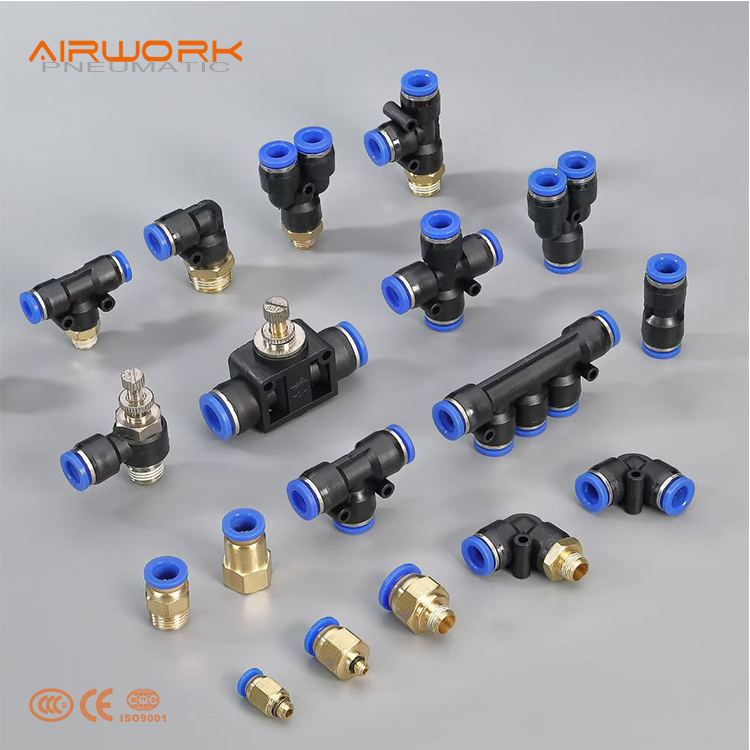
An air hose connector is the unsung hero of pneumatic equipment systems, serving as the critical link that enables efficient power transmission across compressed air networks. Without a reliable air hose connector, pneumatic equipment cannot function effectively, safely, or durably. Understanding why an air hose connector plays such a vital role helps professionals make informed decisions about system design, maintenance, and operational reliability in industrial and commercial settings.
Pneumatic systems depend on pressurized air to power tools, actuators, and machinery across manufacturing floors, automotive workshops, dental clinics, and construction sites. The air hose connector provides the physical and functional interface that allows this pressurized air to move seamlessly from the compressor through distribution lines to individual tools and equipment. When an air hose connector meets quality standards and matches system specifications, it ensures leak-free operation, maintains pressure integrity, and supports safe working conditions.
The Critical Role of Connection Reliability
Pressure Integrity and System Efficiency
A properly designed air hose connector maintains pressure integrity by creating a secure seal that prevents compressed air from escaping during operation. Every small leak at connection points reduces system pressure, forcing the compressor to work harder and longer to maintain operating pressure. An air hose connector that fits snugly and features quality sealing mechanisms ensures minimal pressure drop across the entire pneumatic network. This reliability translates directly into energy efficiency, as the compressor does not waste cycles compensating for leaks.
Industrial facilities with extensive pneumatic networks can lose significant compressed air through poor connections. Facilities using substandard or poorly maintained air hose connector interfaces often experience pressure drops of 10–20% between the compressor and end-use equipment. This inefficiency increases electricity consumption and operational costs. By investing in quality air hose connector solutions, operations maintain stable pressure delivery, improve tool performance, and reduce energy waste across the entire system.
Safety and Accident Prevention
Safety represents a paramount concern in pneumatic equipment operation. An air hose connector that fails unexpectedly can release pressurized air violently, creating hazardous conditions for workers in the vicinity. Rapid pressure release can damage equipment, cause personal injury, or create dangerous projectile situations if components detach suddenly. A robust air hose connector with secure locking mechanisms and fail-safe design prevents these dangerous scenarios by maintaining consistent connection integrity under operational stress.
Regulatory standards and workplace safety guidelines emphasize the importance of reliable pneumatic connections. Facilities must ensure that every air hose connector in their systems meets or exceeds established safety specifications. High-quality air hose connector products undergo rigorous testing to verify their ability to withstand rated pressures, temperature fluctuations, and cyclic loading conditions without failure. Workers can operate pneumatic equipment with confidence when they trust that the air hose connector infrastructure supports safe, predictable system behavior.
Functionality and System Performance
Rapid Connection and Workflow Efficiency
Modern pneumatic equipment demands quick, reliable connections that enable fast equipment changes and system reconfiguration. An air hose connector featuring one-touch coupling design allows operators to connect and disconnect hoses without tools or fittings, dramatically reducing setup time. This convenience becomes crucial in high-volume manufacturing environments where equipment changes occur frequently throughout production shifts. The air hose connector eliminates the need for manual tightening, reduces human error, and ensures consistent connection quality regardless of operator experience level.
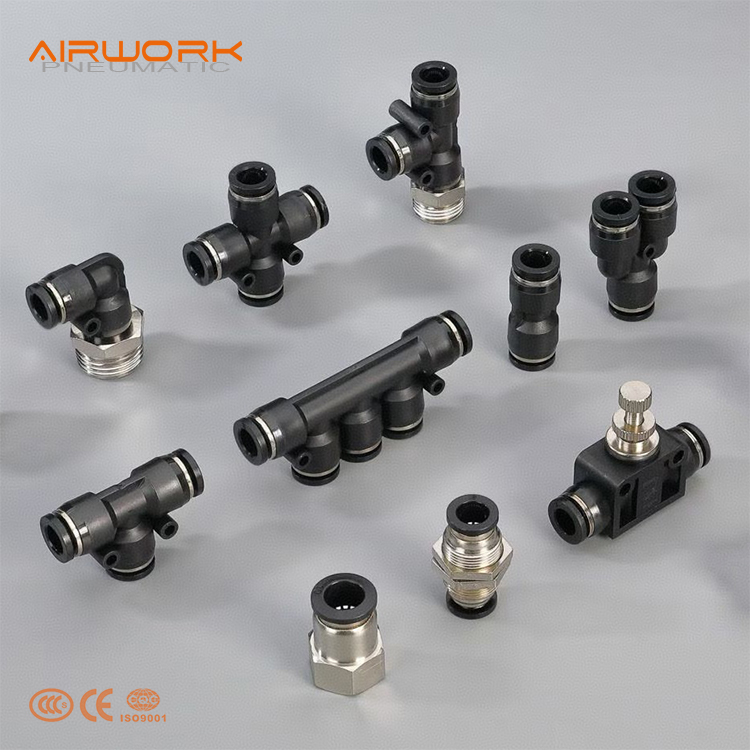
Workflow efficiency extends beyond individual tool connection. When facilities deploy an air hose connector standard across their pneumatic infrastructure, operators can quickly adapt systems to handle different tasks without searching for compatible components. This standardization minimizes downtime, accelerates production transitions, and improves overall facility responsiveness to changing operational demands. A well-designed air hose connector becomes the enabler of operational flexibility.
Compatibility Across Equipment Types
Pneumatic equipment varies widely across industries and applications. Drills, grinders, impact wrenches, nail guns, air motors, and actuators all require connection to pressurized air supplies, yet they may use different hose diameters and connection interfaces. An air hose connector that accommodates multiple hose sizes and fitting types provides facilities with the flexibility needed to integrate diverse equipment into unified pneumatic networks. This compatibility reduces the need for multiple adapter solutions and simplifies inventory management.
Facilities operating mixed equipment fleets benefit significantly from an air hose connector design that bridges different connection standards. Rather than maintaining separate pneumatic networks for different equipment types, a universal-compatible air hose connector enables consolidated system design and simplified maintenance procedures. This approach reduces capital investment in redundant infrastructure and improves facility layout efficiency.
Durability and Long-Term Value
Material Quality and Environmental Resistance
An air hose connector exposed to industrial environments faces constant challenges from moisture, temperature variations, pressure cycling, and mechanical stress. High-quality materials including brass, stainless steel, and engineered polymers ensure that the air hose connector resists corrosion, maintains structural integrity, and withstands years of operational use without degradation. Material selection directly impacts how long an air hose connector remains functional and reliable in demanding industrial settings.
Moisture represents a particular concern in pneumatic systems, as compressed air often contains water vapor that condenses at connection points. An air hose connector manufactured from corrosion-resistant materials resists rust, oxidation, and sealing degradation that moisture causes. This resistance extends component lifespan, reduces maintenance frequency, and prevents the need for premature replacement. Investing in a durable air hose connector delivers superior total cost of ownership compared to cheaper alternatives requiring frequent service.
Maintenance Simplicity and System Longevity
Complicated pneumatic systems with difficult-to-access or difficult-to-service connections increase maintenance burden and extend downtime during repairs. An air hose connector designed for accessibility and serviceability enables maintenance teams to inspect, clean, and replace components quickly without disrupting entire system operation. Straightforward design reduces training requirements for maintenance personnel and minimizes the likelihood of connection errors during service procedures.
System longevity depends on addressing small problems before they become catastrophic failures. When an air hose connector design supports easy visual inspection and quick component replacement, facilities can maintain preventive maintenance schedules that catch issues early. Regular inspection of connection points, periodic replacement of sealing elements, and prompt remediation of minor leaks all become practical when the air hose connector supports these activities. This proactive approach extends overall system lifespan and maintains consistent operational performance.
FAQ
How often should an air hose connector be inspected or replaced?
Inspection frequency depends on operational intensity and environmental conditions. Facilities operating pneumatic equipment daily should inspect air hose connector interfaces monthly, checking for visible wear, corrosion, or leakage. Sealing elements typically require replacement annually or when visible degradation appears. In harsh environments with moisture or temperature extremes, more frequent inspection becomes necessary. An air hose connector showing signs of damage should be replaced immediately to prevent system failures.
What pressure ratings must an air hose connector support?
Standard pneumatic systems typically operate at 90–100 pounds per square inch (psi), though industrial applications may reach 150 psi or higher. An air hose connector must be rated for pressures exceeding the maximum operating pressure of the system it serves, typically with a safety factor of 4:1. Always verify that the air hose connector pressure rating matches or exceeds your system specifications. Using an undersized air hose connector can lead to failure, leakage, and safety hazards.
Can different types of pneumatic connectors work together?
Some air hose connector types feature universal compatibility, while others are application-specific. Mixing incompatible connectors can result in poor sealing, leakage, or equipment damage. Always use an air hose connector type specified for your equipment and system design. Adapter fittings exist for bridging different connector standards, but direct matching is always preferable. Consult equipment documentation to ensure the air hose connector type matches your operational requirements.