 EN
EN

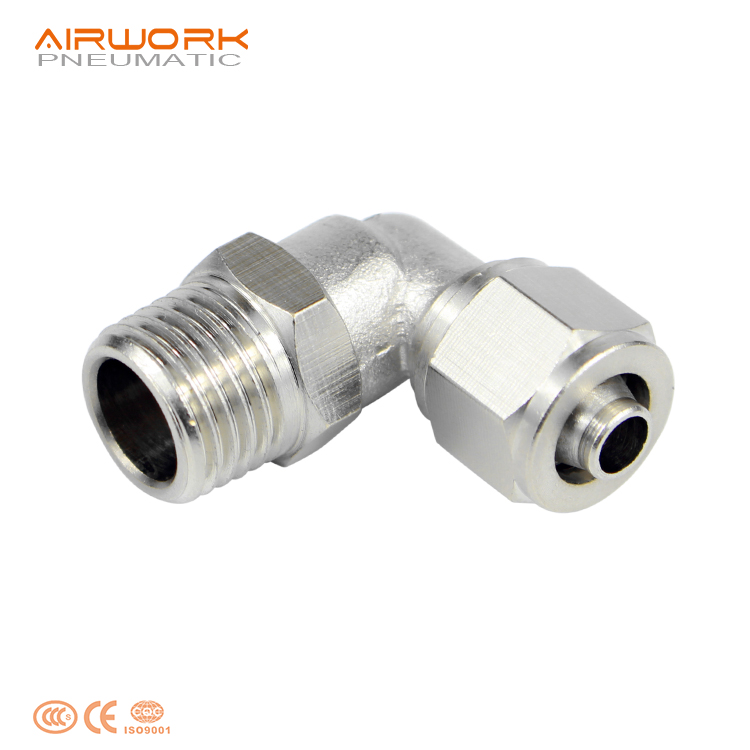
An air hose connector serves as a critical interface in pneumatic systems, directly determining whether your air flow remains secure and consistent throughout operations. The quality of an air hose connector affects not only the efficiency of your compressed air delivery but also the safety and reliability of your entire industrial setup. When an air hose connector is properly designed and installed, it creates a dependable seal that prevents costly air leaks, maintains system pressure, and extends the operational lifespan of connected equipment. Understanding how an air hose connector ensures secure air flow connections is essential for maintenance professionals, facility managers, and anyone responsible for pneumatic system performance.
The mechanics behind a secure air hose connector involve precision engineering, material selection, and strategic connection geometry. An effective air hose connector combines multiple design features that work together to lock connections firmly in place, creating an airtight seal that withstands pressure fluctuations and environmental stress. By examining the design principles, installation techniques, and maintenance practices that make an air hose connector function reliably, you can make informed decisions about connector selection and system optimization for your specific operational needs.
Design Features That Secure Air Flow
Sealing Mechanism and Material Compatibility
The sealing mechanism is what distinguishes a reliable air hose connector from an inferior one. A high-quality air hose connector incorporates precision-engineered seals, typically made from materials like EPDM, nitrile, or polyurethane, that compress when the connector is engaged to create a hermetic barrier. The internal geometry of an air hose connector is designed so that as you push the hose into the connector body, internal sealing rings compress uniformly against the hose outer diameter, preventing even microscopic air escape routes. Material compatibility is equally important; an air hose connector must match the pressure rating and temperature range of your specific system, ensuring the seals remain effective across operational extremes.
Quick-Connect Design and Locking Features
Modern air hose connector designs often incorporate quick-connect technology that combines convenience with security. When you insert a hose into a properly functioning air hose connector, mechanical locking sleeves or collets grip the hose firmly, preventing accidental disconnection even under vibration or pressure surges. This locking mechanism transforms a simple connection point into a mechanically secured interface where an air hose connector holds fast through both passive grip and active sealing. The collet design in many premium air hose connector models creates multiple contact points along the hose circumference, distributing holding force evenly and preventing rotational or axial movement that could compromise the air flow integrity.
Installation Techniques for Optimal Security
Proper Hose Preparation and Insertion
Correct installation is where many air hose connector failures originate, even when the connector itself is well-engineered. Before connecting your hose to an air hose connector, cut the hose end square and cleanly, removing any burrs or rough edges that could damage internal seals or prevent full insertion. An air hose connector performs optimally only when the hose is inserted to the full depth of the connector body, typically marked by a stop ring or shoulder inside the connector. Partial insertion into an air hose connector leaves the sealing mechanism incompletely engaged, resulting in persistent micro-leaks that waste compressed air and create pressure inconsistencies throughout your pneumatic lines.
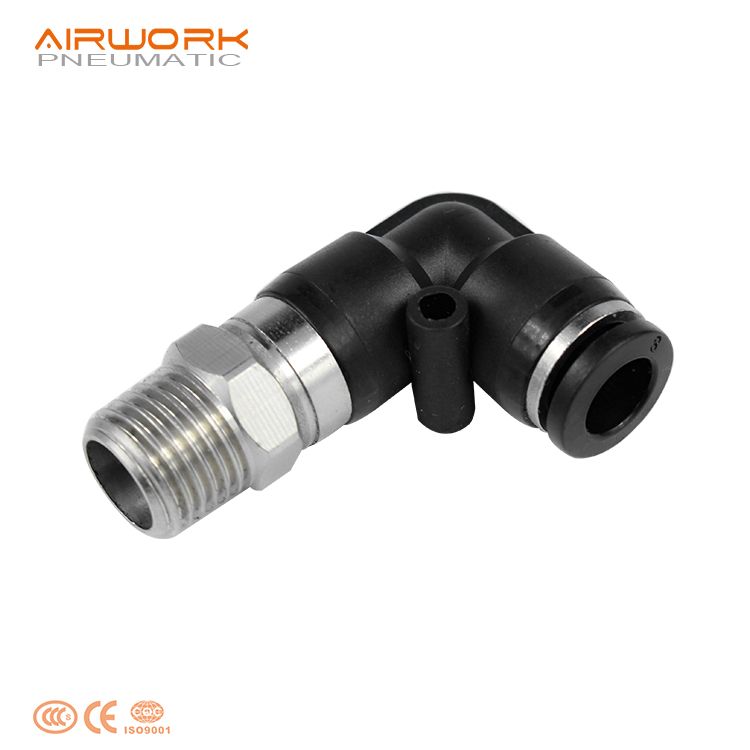
Pressure Matching and System Compatibility
Every air hose connector carries a pressure rating that must match or exceed your system's maximum operating pressure. Selecting an air hose connector rated below your system pressure is a common mistake that leads to connector failure, seal degradation, and dangerous air leaks. When you use an appropriately rated air hose connector, all internal components are engineered to handle your specific pressure environment, ensuring seals remain compressed and effective without being over-stressed or degraded prematurely. Additionally, verify that the air hose connector is compatible with your hose diameter and material composition, as mismatches create poor seals even when pressure ratings align.
Maintenance and Leak Prevention
Regular Inspection and Seal Replacement
Maintaining secure air flow through an air hose connector requires proactive inspection and timely component replacement. Over time, sealing rings inside an air hose connector experience wear from repeated pressure cycles, temperature fluctuations, and hose insertions or removals. Schedule periodic visual inspections of all air hose connector points in your system, looking for visible moisture, oil residue, or dust accumulation around the connector body, which signals seal degradation. Many industrial facilities establish maintenance cycles to replace internal seals in critical air hose connector installations every 12 to 24 months, depending on usage intensity and environmental conditions, ensuring consistent performance and preventing catastrophic pressure loss.
Environmental Factors and Corrosion Prevention
The environment surrounding your air hose connector directly impacts its long-term sealing effectiveness and structural integrity. Moisture, salt spray, oils, and temperature extremes can degrade the connector material and compromise the sealing mechanism of your air hose connector over time. To extend connector lifespan, keep your air hose connector dry and protected from corrosive atmospheres, and consider using stainless steel or nickel-plated variants in harsh environments. Applying protective caps to disconnected air hose connector ports prevents contaminant entry and maintains seal conditioning, particularly important in dusty manufacturing or outdoor settings where equipment sits idle between operational periods.
Performance Optimization Strategies
System Pressure Regulation and Flow Consistency
An air hose connector secures air flow most effectively when your system operates within stable pressure bands, typically between 80 and 100 pounds per square inch for most industrial applications. Pressure spikes or fluctuations place additional stress on the sealing mechanism of your air hose connector, accelerating seal wear and increasing leak probability. Installing pressure regulators upstream of your air hose connector installations ensures consistent pressure delivery, reducing mechanical stress on connector seals and extending their operational life. When an air hose connector operates under steady, predictable pressure conditions, the seals maintain uniform compression, micro-movements remain minimal, and the risk of pressure-induced connector separation virtually disappears.
Quality Connector Selection for Long-Term Reliability
The initial investment in premium air hose connector components pays dividends through reduced air leakage, minimized downtime, and extended service intervals. Budget connector options often feature lower-grade materials, less precise internal geometry, and weaker sealing mechanisms that compromise performance within months of installation. When you invest in an air hose connector manufactured to strict engineering standards, you gain superior seal consistency, better material durability, and locking mechanisms that maintain connection integrity through thousands of pressure cycles. The cost differential between standard and premium air hose connector options is typically recovered within the first year through reduced compressed air waste and decreased maintenance interventions.
FAQ
What causes air leaks at an air hose connector?
Air leaks at an air hose connector commonly result from incomplete hose insertion, damaged internal seals, mismatched pressure ratings, or connector wear from age and repeated use. When an air hose connector seal degrades, even properly seated connections allow air to escape around the connection point. Additionally, cutting the hose at an angle instead of square, using an air hose connector with insufficient pressure rating for your system, or exposing the connector to extreme temperature swings can compromise sealing effectiveness and create detectable leaks.
How often should an air hose connector be replaced?
The replacement interval for an air hose connector depends on usage intensity, system pressure, and environmental conditions, but most industrial applications require seal inspection every 12 months and component replacement every 2 to 3 years. High-use facilities or systems operating at maximum pressure ratings may need more frequent air hose connector maintenance. Establishing a preventive replacement schedule based on your specific operational profile prevents unexpected failures and maintains consistent pneumatic system performance across your facility.
Can you repair a leaking air hose connector?
Many leaking air hose connector issues can be resolved by removing the hose, cleaning the connector interior, trimming the hose end square, and reinserting it fully to the connector stop. If these steps do not eliminate the leak, the internal seals of the air hose connector are likely degraded and require replacement or the entire connector must be exchanged. Attempting to patch or band-aid a failing air hose connector connection with tape or wrapping is unreliable and creates safety hazards, so replacement is the proper solution for persistent leaks.