 EN

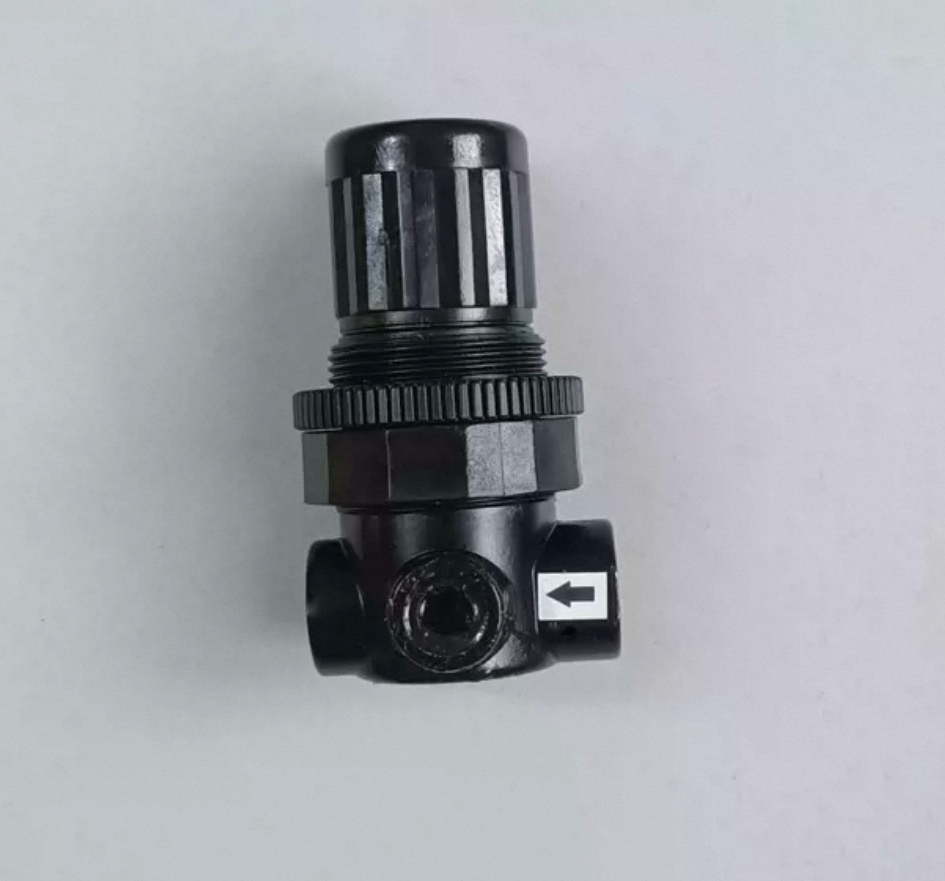
Pneumatic parts have become the backbone of modern manufacturing facilities worldwide. From assembly lines to material handling systems, factories depend on pneumatic parts to deliver consistent performance, minimize downtime, and maintain competitive operational costs. Understanding why pneumatic parts remain the preferred choice for equipment operation reveals critical insights into industrial reliability, efficiency, and long-term economic value that drive manufacturing success across diverse sectors.
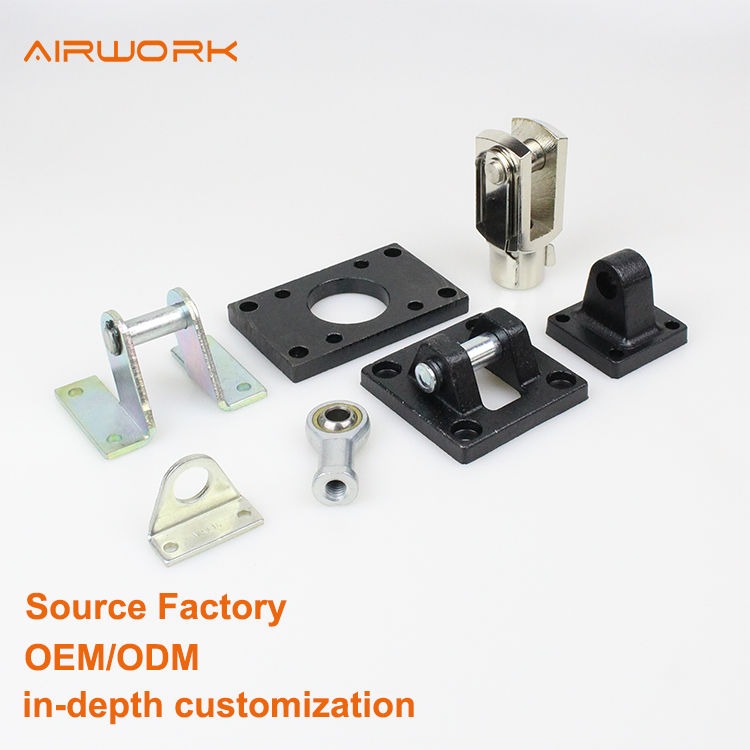
Factories worldwide integrate pneumatic parts into their operations because these components offer unmatched reliability in demanding industrial environments. Whether operating in clean manufacturing zones or harsh production floors with dust, heat, and moisture exposure, pneumatic parts consistently perform without the complexity and maintenance burdens associated with alternative technologies. The inherent simplicity of pneumatic parts design translates directly into reduced operational risk and improved equipment uptime for manufacturing operations that cannot afford production interruptions.
Core Advantages of Pneumatic Parts in Factory Operations
Reliability and Durability in Industrial Environments
Pneumatic parts excel in harsh factory conditions where alternative equipment would fail or require constant maintenance. Compressed air, the fundamental power source for pneumatic parts, remains unaffected by temperature fluctuations, electrical interference, or moisture that could compromise electronic systems. This environmental resilience means pneumatic parts deliver consistent performance across varying factory zones, from freezing cold storage areas to hot metal fabrication floors. The mechanical simplicity of pneumatic parts eliminates potential failure points found in more complex technologies, ensuring that factories maintain equipment reliability throughout extended production cycles without unexpected breakdowns.
Industrial manufacturers have adopted pneumatic parts specifically because maintenance requirements remain minimal compared to hydraulic or electric alternatives. Pneumatic parts require basic preventive care such as lubrication and filter replacement, tasks that factory maintenance teams can perform quickly without specialized expertise. This accessibility means that facilities reduce their dependency on external service contractors and expensive downtime costs. The longevity of pneumatic parts directly correlates with lower total cost of ownership, making them the economically rational choice for budget-conscious manufacturing operations.
Cost Efficiency and Operational Savings
Factories invest in pneumatic parts because the initial capital expenditure remains substantially lower than hydraulic or electric actuation systems. Pneumatic parts feature simpler construction and fewer components, resulting in competitive pricing that allows manufacturers to equip more production lines with the same budget allocation. Beyond acquisition costs, pneumatic parts generate ongoing savings through reduced energy consumption during idle periods. Unlike electric motors that draw continuous power, pneumatic parts only consume compressed air during active operation, providing factories with precise consumption control and measurable utility cost reductions over extended operating periods.
The operational economics of pneumatic parts extend beyond direct energy costs to encompass maintenance and replacement expenses. Factories experience significantly lower maintenance budgets when relying on pneumatic parts compared to hydraulic systems, which require regular fluid analysis, seal replacement, and contamination management. Pneumatic parts also eliminate the environmental disposal costs associated with used hydraulic fluids, adding another economic advantage that sustainability-conscious manufacturers increasingly value. These cumulative cost benefits enable factories to reinvest savings into production capacity expansion or equipment modernization.
Performance Characteristics That Drive Factory Adoption
Speed and Responsiveness in Production Processes
Pneumatic parts deliver rapid actuation speeds that manufacturing processes require for high-throughput production environments. Compressed air transmits through pneumatic parts systems instantaneously, enabling quick-cycle operations that would require more complex control logic with slower alternative technologies. This speed advantage becomes particularly critical in assembly operations, packaging lines, and material transfer systems where cycle time directly impacts overall factory productivity. Factories maximize output and throughput by specifying pneumatic parts that respond instantly to production control signals, reducing bottlenecks and improving overall equipment effectiveness throughout their manufacturing facilities.
The responsiveness of pneumatic parts extends to precise control capabilities that modern factory automation demands. Pneumatic parts can be modulated using proportional control valves, allowing manufacturers to achieve exact pressure and speed adjustments without replacing entire actuation systems. This flexibility enables factories to adapt pneumatic parts configurations for different product types, production rates, or operational requirements by simply adjusting control parameters. The combination of speed and precision makes pneumatic parts the optimal choice for factories implementing lean manufacturing principles that emphasize flow optimization and waste elimination.
Safety and Compliance Features
Factories prioritize safety when selecting pneumatic parts because compressed air systems inherently present lower hazard profiles compared to hydraulic pressure systems. Pneumatic parts operate at lower pressure levels than hydraulic components, reducing injury risk from sudden equipment failure or hose rupture. The absence of flammable hydraulic fluids in pneumatic parts installations eliminates fire hazard concerns that regulatory agencies mandate factories address through expensive containment measures. This safety advantage allows factories to simplify their compliance procedures and reduce insurance premiums associated with high-pressure hydraulic systems.
Regulatory compliance becomes straightforward when factories standardize on pneumatic parts because industry safety standards address compressed air systems comprehensively. Pneumatic parts installations require minimal special equipment beyond standard air compressors and basic pressure relief devices, simplifying factory compliance with occupational safety regulations. The transparent safety profile of pneumatic parts accelerates facility inspections and certifications, allowing factories to maintain their operational licenses without extensive documentation or specialized expertise. This regulatory simplicity becomes especially valuable for small and medium-sized manufacturing operations that lack dedicated safety engineering resources.
Integration with Modern Factory Automation Systems
Compatibility with Industrial Control Systems
Modern factories implement pneumatic parts within sophisticated automation frameworks that coordinate multiple production processes simultaneously. Pneumatic parts integrate seamlessly with programmable logic controllers and industrial computing systems through standardized pneumatic actuators and solenoid-controlled valves. This integration capability enables factories to automate complex manufacturing sequences while maintaining the reliability advantages that pneumatic parts provide. Control engineers can design production sequences incorporating pneumatic parts with the same confidence they would apply to more complex technologies, knowing that pneumatic parts response characteristics remain predictable and documented across industry standards.
The modular nature of pneumatic parts facilitates rapid system reconfiguration as factories adapt to changing production requirements. Manufacturers can modify pneumatic parts arrangements, swap components, or expand systems without extensive engineering redesign work. This modularity advantage becomes critical when factories implement customization capabilities or respond to market demand fluctuations by rapidly switching between product variants. Pneumatic parts compatibility with standard industrial interfaces means factories can source replacement components from multiple suppliers, avoiding vendor lock-in and maintaining operational flexibility that protects long-term manufacturing competitiveness.
Scalability for Growing Manufacturing Operations
Factories expand pneumatic parts installations easily as production capacity increases because compressed air systems scale efficiently from small pilot operations to large industrial-scale facilities. Additional pneumatic parts components connect to existing compressed air infrastructure without requiring major system redesigns or substantial capital expenditures. This scalability advantage enables factories to implement incremental automation improvements that align with business growth rather than requiring large upfront capital commitments. Growing manufacturers particularly value pneumatic parts because infrastructure investments made years earlier continue supporting expanded operations with minimal modification.
The established supply chain supporting pneumatic parts ensures that expanding factories can source components quickly regardless of facility location or production requirements. Pneumatic parts manufacturers maintain global distribution networks providing rapid component availability and technical support. This supply chain maturity allows factories to confidently specify pneumatic parts knowing that replacement components and spare parts will remain available throughout the equipment lifecycle. The combination of technical scalability and supply chain reliability makes pneumatic parts the prudent choice for factories planning growth initiatives spanning multiple years.
FAQ
What makes pneumatic parts more reliable than hydraulic systems in factory settings?
Pneumatic parts operate without the fluid contamination risks that compromise hydraulic systems, and compressed air remains unaffected by temperature extremes or moisture exposure common in factory environments. Maintenance for pneumatic parts requires only basic lubrication and filter replacement, whereas hydraulic systems demand regular fluid analysis and seal maintenance. The mechanical simplicity of pneumatic parts eliminates complex failure modes, ensuring consistent performance even in harsh manufacturing conditions. These factors combine to make pneumatic parts substantially more reliable with significantly lower maintenance requirements throughout their operational lifespan in demanding factory applications.
How do pneumatic parts reduce factory operational costs?
Pneumatic parts feature lower initial acquisition costs compared to hydraulic or electric alternatives, allowing factories to equip more production lines within budget constraints. Pneumatic parts consume energy only during active operation, eliminating idle power consumption that electric systems require continuously. Maintenance expenses remain minimal because pneumatic parts require only routine lubrication and air filtration rather than hydraulic fluid replacement or electronic component repairs. The combination of lower purchase price, reduced energy consumption, and minimal maintenance creates substantial cumulative savings that directly improve factory profitability and cash flow throughout equipment ownership periods.
Can pneumatic parts integrate with modern factory automation systems?
Yes, pneumatic parts integrate seamlessly with programmable logic controllers and industrial automation systems through standardized pneumatic actuators and solenoid-controlled valves that connect directly to manufacturing management networks. The modular design of pneumatic parts enables rapid system reconfiguration as production requirements change, and pneumatic parts components can be sourced from multiple suppliers ensuring flexibility and competitive pricing. Factories can confidently implement complex automation sequences incorporating pneumatic parts with documented reliability and performance characteristics that align with modern manufacturing standards and operational requirements.