 EN

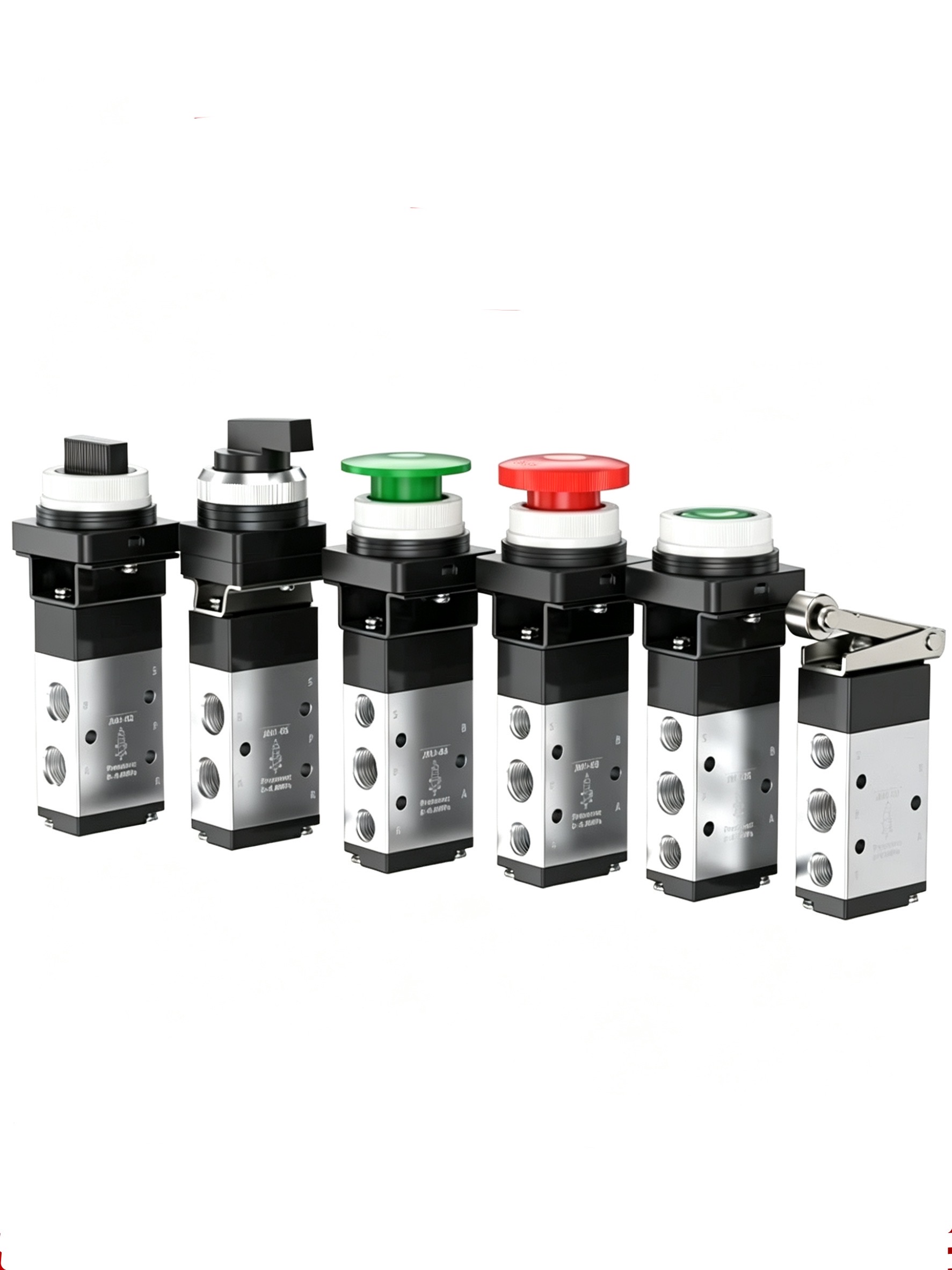
Pneumatic parts form the backbone of countless industrial operations worldwide, enabling automated systems that drive modern manufacturing, construction, and assembly processes. These components harness compressed air to produce controlled motion and force, offering reliability, safety, and cost-effectiveness that make them indispensable across diverse industrial applications. Understanding what pneumatic parts are and how they function is essential for facility managers, engineers, and procurement professionals who need to optimize system performance and ensure continuous production efficiency.
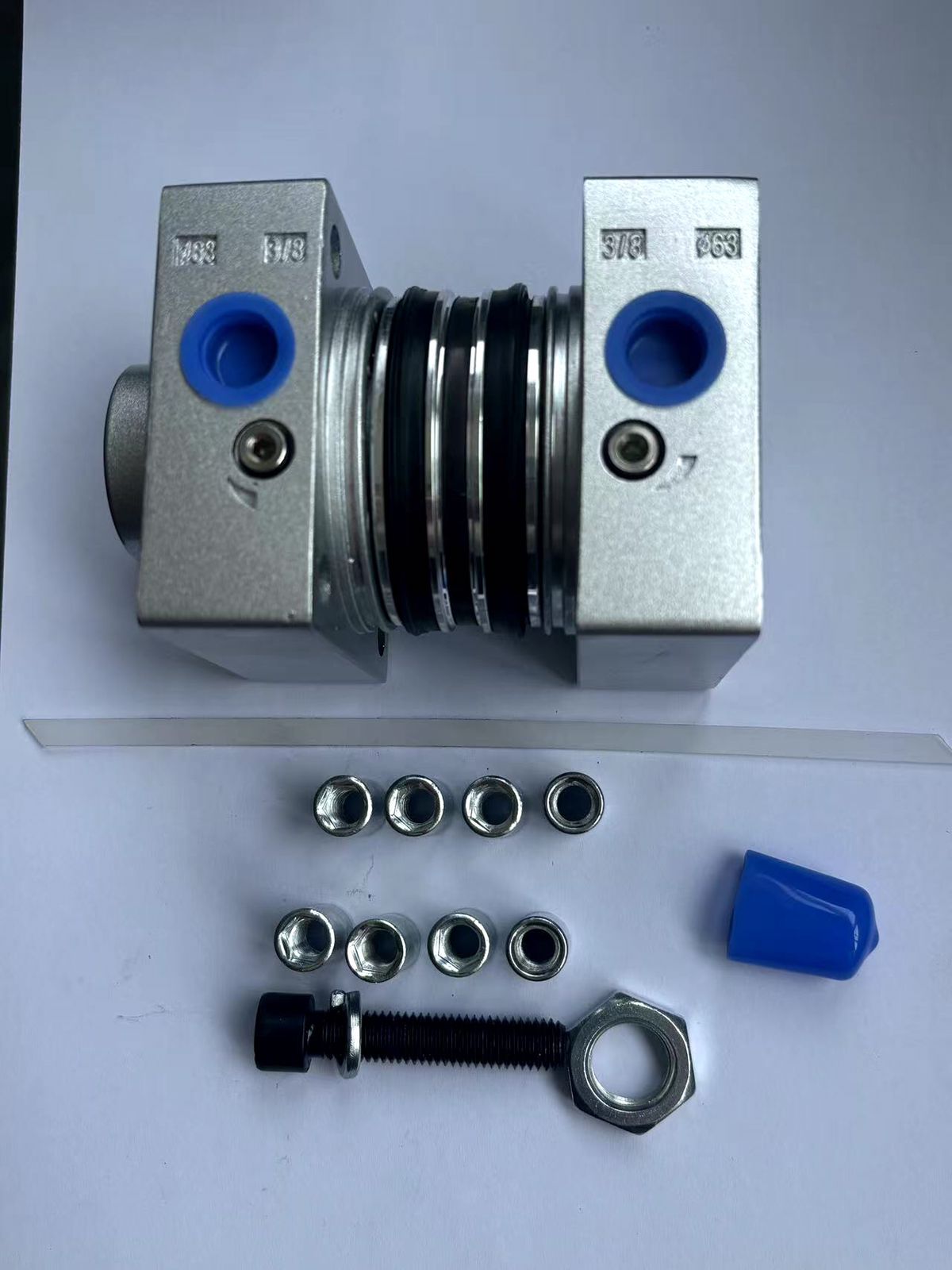
Pneumatic parts work together as an integrated system where compressed air flows through multiple components to deliver precise, repeatable force and motion control. The pneumatic parts ecosystem includes actuators, valves, regulators, filters, tubing, and cylinders that each play specific roles in converting air pressure into useful work. By learning how these pneumatic parts interact and support industrial systems, you can make informed decisions about equipment selection, maintenance, and process improvements.
Core Components of Pneumatic Parts
Actuators and Cylinders in Pneumatic Parts
Pneumatic parts called actuators and cylinders are the primary output devices that convert compressed air energy into linear or rotary motion. These pneumatic parts come in various designs, including double-acting cylinders that move in both directions and single-acting cylinders that operate in one direction with spring return. The versatility of these pneumatic parts makes them suitable for countless industrial tasks, from pressing and clamping operations to robotic arm movements and automated doors.
Within any pneumatic parts assembly, cylinders operate by receiving pressurized air on one side of an internal piston, forcing it to move and perform work on external mechanisms. Pneumatic parts manufacturers design these cylinders with precision bore tolerances and durable seals to withstand thousands of cycles while maintaining consistent performance. The simplicity and durability of pneumatic parts in this category contribute significantly to their widespread adoption in industries where reliability is non-negotiable.
Valves and Control Elements in Pneumatic Parts
Valves represent essential pneumatic parts that direct, control, and regulate airflow throughout the system, determining speed, direction, and force of motion. These pneumatic parts include directional control valves, pressure relief valves, check valves, and flow control valves, each serving distinct regulatory functions. Proper selection of pneumatic parts in the valve category directly impacts system response time, energy consumption, and overall operational safety and reliability.
Directional control pneumatic parts manage which port receives pressurized air and which becomes exhaust, essentially orchestrating the entire motion sequence. Pressure relief pneumatic parts protect the system by venting excess air when pressure exceeds safe thresholds, preventing equipment damage. Flow control pneumatic parts fine-tune the speed of actuator movement, enabling operators to optimize cycle times and process precision throughout the production day.
Supporting Components and System Infrastructure
Filtration and Conditioning Pneumatic Parts
Before pressurized air reaches working pneumatic parts, it must pass through filtration and conditioning pneumatic parts that remove contaminants and adjust temperature and moisture levels. These pneumatic parts include air filters that trap particulate matter, regulators that maintain consistent downstream pressure, and desiccant dryers that remove water vapor. Neglecting these pneumatic parts in system design leads to accelerated wear, seal failure, and frequent maintenance interruptions that damage production schedules.
The air preparation stage involving pneumatic parts filtration directly extends the service life of downstream pneumatic parts by preventing internal corrosion, seal degradation, and performance drift. Quality filtration pneumatic parts rated to remove particles as small as 5 microns protect precision-critical actuators and valve spools from damage. Investment in proper conditioning pneumatic parts represents one of the most cost-effective maintenance strategies available to industrial operators.
Distribution and Connection Pneumatic Parts
Tubing, fittings, and manifold systems comprise distribution pneumatic parts that deliver compressed air from the compressor to individual work stations and actuators throughout the facility. These pneumatic parts must withstand operating pressures, resist environmental degradation, and maintain leak-free connections across extended distances and temperature variations. Modern pneumatic parts in this category often use color-coded tubing and standardized quick-disconnect couplers that simplify installation and reduce troubleshooting time.
Well-designed distribution pneumatic parts minimize pressure drop, reduce energy waste, and simplify system reconfiguration as production needs evolve. Manifold-mounted pneumatic parts consolidate multiple valves and control functions in compact modules, reducing clutter and improving serviceability in crowded machine enclosures. The efficiency of pneumatic parts integration directly correlates with overall system energy consumption and operating cost per unit produced.
Applications and Industrial Impact of Pneumatic Parts
Manufacturing and Assembly Line Integration
Pneumatic parts power automated assembly lines, pick-and-place operations, riveting equipment, and material handling systems that form the foundation of modern manufacturing. The speed and repeatability of pneumatic parts make them ideal for high-volume production environments where consistency and cycle time directly affect profitability. Many facilities operate thousands of pneumatic parts simultaneously, managing complex sequences of coordinated motions that would be impossible to achieve manually.
Food processing, automotive assembly, electronics manufacturing, and packaging industries rely heavily on pneumatic parts to maintain competitive production speeds and quality standards. The inherent safety characteristics of pneumatic parts, combined with their clean operation and minimal maintenance requirements, make them the preferred choice for applications near food products or sensitive environments. Upgrading to modern pneumatic parts with improved efficiency ratings can reduce energy consumption by 10 to 15 percent compared to older generations.
Maintenance and Lifecycle Considerations
Proper maintenance of pneumatic parts ensures consistent performance, extends equipment lifespan, and prevents costly unplanned downtime that disrupts production schedules. Regular inspection of pneumatic parts connections, replacement of worn seals, and cleaning of filter elements represent essential preventive maintenance tasks. Understanding the failure modes of pneumatic parts allows maintenance teams to anticipate problems and schedule replacements during planned maintenance windows rather than emergency repairs.
Pneumatic parts typically offer excellent cost-to-performance ratios, with most components lasting thousands to millions of cycles under normal operating conditions. pneumatic parts from quality manufacturers come with detailed specification sheets and maintenance guidelines that inform purchasing and lifecycle planning decisions. Investing in compatible replacement pneumatic parts from established suppliers ensures seamless integration and preserves system performance over decades of continuous operation.
FAQ
What is the difference between pneumatic parts and hydraulic components?
Pneumatic parts use compressed air as the working fluid and are lighter, cleaner, and safer for general-purpose applications, while hydraulic systems use pressurized oil and deliver greater force density in compact spaces. Pneumatic parts operate at lower pressures, typically 80 to 100 pounds per square inch, making them inherently safer in environments where leaks pose hazards. Hydraulic systems achieve higher power density but require more elaborate filtration, cooling, and disposal considerations compared to pneumatic parts.
How often should pneumatic parts be replaced or serviced?
Service intervals for pneumatic parts depend on operating hours, air quality, and specific component type, but most facilities implement quarterly filter changes and annual seal inspections as standard practice. Actuators and cylinders within pneumatic parts typically function reliably for one to three million cycles before requiring seal replacement or refurbishment. Monitoring pressure drops and response time of pneumatic parts helps identify degradation early, allowing planned maintenance rather than sudden failure interruptions.
Can pneumatic parts be integrated with modern control systems and automation?
Yes, pneumatic parts integrate seamlessly with programmable logic controllers, proximity sensors, and networked industrial control systems to enable sophisticated automated sequences and real-time monitoring. Solenoid-operated directional valves within pneumatic parts respond to electrical signals, allowing precise coordination with other production equipment and quality control stations. Modern pneumatic parts often include integrated pressure sensors and position feedback mechanisms that provide diagnostic data for predictive maintenance and process optimization.