 EN
EN

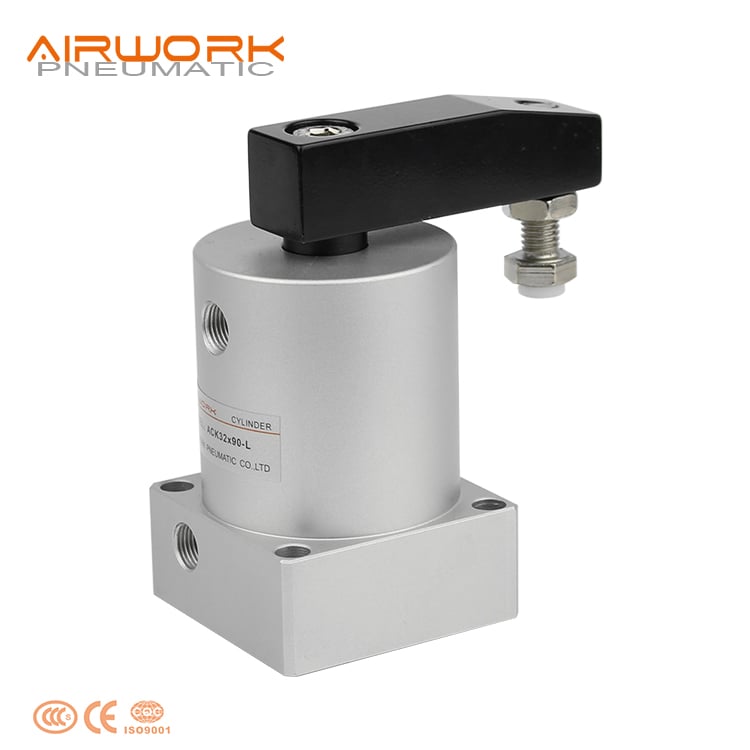
Engineers across manufacturing and industrial sectors consistently turn to pneumatic components as a foundational technology for modern production lines. The decision to integrate pneumatic components reflects decades of proven performance, cost efficiency, and operational reliability that few alternative systems can match. Understanding why pneumatic components have become the preferred choice for production environments requires examining the technical advantages, economic benefits, and practical reliability that drive this widespread adoption in factories worldwide.
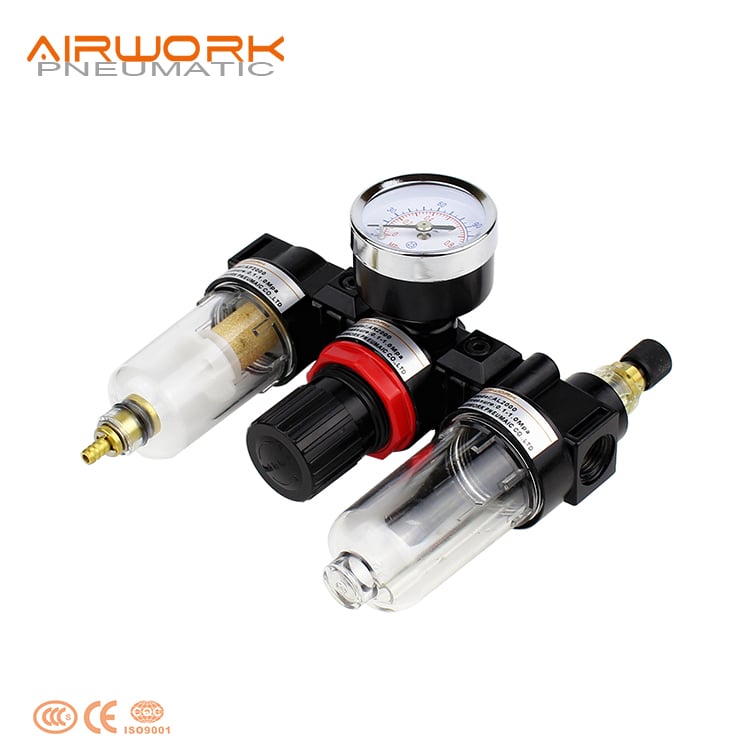
The integration of pneumatic components into production workflows represents a deliberate engineering choice based on measurable performance outcomes. When production managers evaluate automation solutions, pneumatic components consistently demonstrate superior value when compared to competing technologies. This article explores the core reasons why engineers specify pneumatic components for demanding production environments, from operational efficiency to long-term cost advantages.
Operational Efficiency and Speed Advantages
Fast Response Times and Actuation Speed
Pneumatic components deliver exceptionally rapid response times that directly accelerate production cycles. Unlike slower hydraulic or electric alternatives in many applications, pneumatic components enable quick start and stop sequences that are critical for high-speed assembly operations. When engineers design production lines requiring frequent directional changes, rapid pressure adjustments, or quick-response control systems, pneumatic components provide the speed necessary to maintain competitive output rates. The compressed air transmission through pneumatic components occurs nearly instantaneously, eliminating lag times that would otherwise reduce production throughput.
Precision Control and Consistency
Pneumatic components engineered for production use offer precise, repeatable control that maintains quality consistency across thousands of cycles. Modern pneumatic components include integrated regulators, flow controls, and proportional valves that allow fine-tuning of force, speed, and timing. This precision control capability makes pneumatic components ideal for applications requiring exact positioning, controlled force application, or synchronized multi-axis operations. Engineers leverage these pneumatic components to achieve tolerances and repeatability that meet strict manufacturing standards without requiring frequent recalibration.
Cost Effectiveness and Economic Benefits
Lower Installation and Maintenance Expenses
The economic argument for pneumatic components begins with substantially lower installation costs compared to alternative automation systems. Pneumatic components require simpler infrastructure, fewer safety considerations during setup, and faster deployment timelines that reduce project expenses and downtime. Maintenance of pneumatic components is straightforward, relying on standard air supply maintenance rather than specialized fluid handling or electrical diagnostics. Parts replacement for pneumatic components follows well-established supply chains with competitive pricing, preventing the unexpected cost spikes that plague specialized equipment. When production managers calculate total cost of ownership across five to ten year equipment lifecycles, pneumatic components consistently demonstrate superior economic performance.
Energy Efficiency and Operating Costs
While pneumatic systems require compressor investment, pneumatic components themselves consume energy only during active operation cycles. This on-demand energy consumption pattern means pneumatic components deliver significant cost advantages in applications with intermittent duty cycles or varying production schedules. Engineers integrating pneumatic components can further optimize energy use through demand-controlled compressor systems that match air supply to actual production requirements. Modern pneumatic components include efficiency improvements like low-friction seals and optimized valve designs that reduce wasted compressed air, lowering operational electricity costs.
Safety, Reliability, and Environmental Considerations
Inherent Safety Features and Fail-Safe Operation
Pneumatic components are engineered with inherent safety characteristics that simplify compliance with industrial safety standards. Unlike pressurized fluid systems that risk leaks creating hazardous conditions, pneumatic components operate with simple compressed air that poses minimal environmental or personnel safety risks. The energy stored in pneumatic components is relatively modest compared to hydraulic alternatives, reducing catastrophic failure potential. Many pneumatic components can be configured for fail-safe operation where loss of air pressure causes the system to move to a safe state, a critical requirement for production environments where safety regulations demand protective design features. This inherent safety profile makes pneumatic components attractive for facilities prioritizing worker protection and regulatory compliance.
Environmental Compliance and Sustainability
Choosing pneumatic components aligns with environmental sustainability goals increasingly important to industrial operators. Pneumatic components eliminate the need for specialized disposal procedures required by hydraulic fluids or synthetic lubricants used in competing systems. Air-based operation means pneumatic components produce zero hazardous waste streams, simplifying environmental compliance documentation. Engineers selecting pneumatic components for new production lines recognize that this choice supports corporate sustainability objectives while maintaining operational performance standards. The straightforward air-based operation of pneumatic components means future environmental regulations are unlikely to create expensive retrofit requirements that more complex alternative systems might face.
FAQ
What makes pneumatic components faster than electric systems in many production applications?
Pneumatic components operate through direct air pressure transmission with virtually no response delay, whereas electric motor-driven systems require electrical signal processing and mechanical gear reduction that introduce latency. For applications requiring immediate actuation response, pneumatic components deliver motion activation within milliseconds, while achieving the same speed through electric motors often requires larger, more expensive drive systems. This speed advantage of pneumatic components is especially pronounced in applications with frequent directional changes or rapid cycling requirements.
How do maintenance requirements for pneumatic components compare to hydraulic systems?
Pneumatic components require basic air filter maintenance and occasional seal replacement, whereas hydraulic systems demand complex fluid analysis, contamination monitoring, and specialized disposal procedures. Spare parts for pneumatic components are widely available at moderate cost, while hydraulic component replacement often requires factory authorization and extended lead times. The simplicity of pneumatic components maintenance reduces unplanned downtime and allows most facility maintenance teams to handle routine service without external contractor assistance.
Can pneumatic components perform in high-temperature or corrosive production environments?
Modern pneumatic components include materials and coatings specifically designed for harsh industrial conditions, including high-temperature zones near furnaces or ovens and corrosive environments in chemical processing facilities. Stainless steel and specialized polymer versions of pneumatic components handle extreme conditions where standard equipment would fail rapidly. Engineers can specify pneumatic components rated for continuous operation at elevated temperatures or exposure to corrosive atmospheres, making this technology viable across diverse industrial applications including food processing, chemical manufacturing, and heat-intensive operations.