 EN
EN

Pneumatic tubes represent one of the most essential components in modern air-driven systems, serving as the backbone for countless industrial, commercial, and specialized applications worldwide. These hollow conduits efficiently transport pressurized air from compressors to actuators, tools, and control devices, enabling machinery to function with precision and reliability. Understanding what pneumatic tubes are and how they support air systems is fundamental for anyone working in manufacturing, automation, healthcare, or facility management. The effectiveness of pneumatic tubes directly impacts system performance, energy efficiency, and operational safety across diverse industries.
Pneumatic tubes are precision-engineered conduits manufactured from materials such as polyurethane, nylon, or specialized rubber compounds that withstand repeated pressurization cycles. These tubes form the circulatory system of pneumatic networks, connecting air sources to end-use components while maintaining pressure integrity and preventing leakage. The design, material composition, and installation methodology of pneumatic tubes determine how effectively they support air systems in real-world operating conditions. By exploring the structure, function, and application landscape of pneumatic tubes, organizations can make informed decisions about system design and component selection.
Understanding Pneumatic Tubes and Their Core Function
What Pneumatic Tubes Are and Why They Matter
Pneumatic tubes are hollow, flexible tubes designed to safely convey compressed air throughout an air system at controlled pressures and flow rates. They connect pneumatic compressors, regulators, valves, and actuators into a unified network that powers pneumatic equipment. The primary function of pneumatic tubes is to deliver consistent, clean, and reliable airflow while maintaining system pressure and preventing dangerous air loss. In manufacturing environments, pneumatic tubes enable automated assembly lines, robotic systems, and precision machinery to operate efficiently. Healthcare facilities rely on pneumatic tubes for pneumatic tube systems that transport documents and small medical supplies rapidly between departments.
Material Composition and Design Specifications
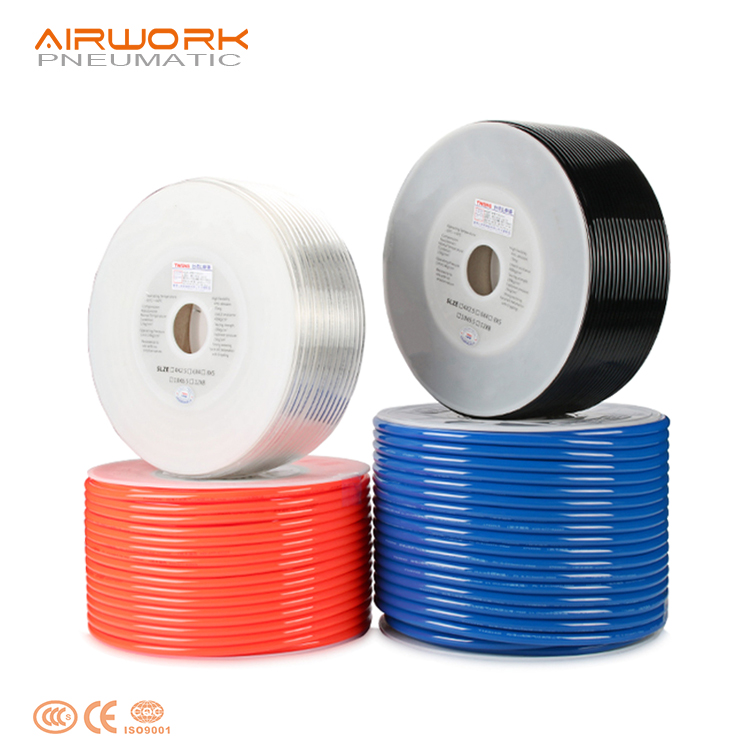
Modern pneumatic tubes are constructed from materials engineered for durability, flexibility, and chemical resistance under sustained pressure conditions. Polyurethane pneumatic tubes offer excellent flexibility, resistance to oil and moisture, and superior kink resistance, making them ideal for dynamic applications. Nylon-based pneumatic tubes provide enhanced temperature stability and are preferred in high-temperature industrial environments. The internal diameter of pneumatic tubes ranges from 4mm to 25mm or larger, depending on volumetric airflow requirements and operating pressure specifications. Wall thickness varies to support different pressure ratings, typically ranging from 1.5mm to 4mm, ensuring pneumatic tubes maintain structural integrity across their operational lifespan.
How Pneumatic Tubes Support Air Systems
Pressure Delivery and Flow Management
Pneumatic tubes function as pressure vessels that safely transport compressed air from source to destination without significant pressure drop or energy waste. The smooth internal surface of quality pneumatic tubes minimizes friction losses, allowing compressed air to maintain its pressure and flow velocity across extended distances. In industrial settings, pneumatic tubes support air systems by enabling multiple branch lines that distribute air to different workstations simultaneously without compromising individual actuator performance. The flexibility of pneumatic tubes allows system designers to route air pathways around machinery, structural obstacles, and workspace constraints while maintaining functional efficiency. Quick-disconnect fittings integrated with pneumatic tubes enable rapid system reconfiguration and maintenance, supporting the adaptability required in modern manufacturing environments.
Integration with System Components
Pneumatic tubes connect seamlessly with regulators, filters, moisture separators, and solenoid valves that collectively manage air quality and pressure consistency throughout the network. These tubes support air systems by providing the physical pathway through which controlled airflow reaches pneumatic cylinders, air motors, and specialized actuators that perform work tasks. The connection points between pneumatic tubes and fittings are sealed using threaded connections, push-to-connect couplers, or compression fittings, each offering different advantages for specific applications. Proper installation of pneumatic tubes ensures that system components receive clean, dry, regulated air at optimal pressure levels, directly enhancing equipment reliability and reducing maintenance downtime. In pneumatic tube systems spanning large facilities, branch networks of pneumatic tubes distribute air efficiently while individual valves control flow to specific work stations or production zones.
Practical Applications and Performance Benefits
Industrial Manufacturing and Automation
Pneumatic tubes support air systems in manufacturing environments by delivering reliable actuation power for robotic arms, material handling systems, and automated assembly equipment. Factory floors depend on pneumatic tubes to operate pick-and-place mechanisms, clamping systems, and pneumatic presses that perform repetitive production tasks with consistent precision. The non-electrical nature of pneumatic tubes makes them inherently safer in hazardous environments where sparks or electrical discharge could trigger explosions. In automotive manufacturing facilities, pneumatic tubes distribute compressed air to hundreds of pneumatic tools and actuators operating simultaneously without electrical interference or overload risk. Packaging operations utilize pneumatic tubes to power vacuum systems, air jets, and positioning cylinders that move products through conveyor networks and filling machinery at high speeds.
Specialized Industry Applications
Healthcare facilities employ pneumatic tube systems featuring pneumatic tubes to transport laboratory samples, medications, and patient records rapidly between departments, improving operational efficiency and care delivery speed. Data centers utilize pneumatic tubes for pressurized cable management and equipment cooling systems that maintain optimal operating temperatures. Pharmaceutical manufacturing relies on pneumatic tubes to support air systems that maintain clean room environments and control sterile processing equipment. Dental offices and surgical centers use specialized pneumatic tubes in dental drills, surgical tools, and precision positioning equipment that requires clean, oil-free compressed air. These diverse applications demonstrate how pneumatic tubes fundamentally enable productivity across industries by providing the essential infrastructure that connects air sources to end-use equipment.
Ensuring Optimal Performance and System Reliability
Maintenance and Pressure Integrity
Pneumatic tubes require periodic inspection to identify kinks, cracks, leaks, or material degradation that could compromise system performance and safety. Regular visual inspection of pneumatic tubes helps detect external damage from abrasion, chemical exposure, or temperature extremes that can weaken tube walls. Pressure testing of pneumatic tubes during commissioning and periodically thereafter ensures that connection points and material integrity remain within specification. Proper storage of spare pneumatic tubes away from direct sunlight, extreme temperatures, and ozone sources extends their shelf life and maintains material properties. When leaks develop in pneumatic tubes, swift replacement prevents pressure loss that reduces actuator force and increases compressor workload, elevating energy costs and reducing system reliability.
Compliance with Industry Standards
Quality pneumatic tubes meet recognized standards including ISO 4414 for pneumatic systems design and ISO 1402 for plastic tubing specifications. Compliance ensures that pneumatic tubes deliver consistent performance, safety, and compatibility with industry-standard fittings and components. Manufacturers of pneumatic tubes subject their products to rigorous burst pressure testing, temperature cycling, and chemical resistance evaluation before release to market. Selecting pneumatic tubes from certified manufacturers guarantees that system designers can rely on consistent material properties and reliable performance across multiple installation sites. Adherence to industry standards for pneumatic tubes reduces compatibility issues and ensures that replacement tubes integrate seamlessly when maintenance or system expansion occurs.
FAQ
What pressure ratings should pneumatic tubes support in typical applications?
Most industrial pneumatic tubes are rated for 10 bar (145 psi) nominal working pressure, with safety factors ensuring they can withstand intermittent pressure spikes up to 1.5 times that level. Specialized high-pressure pneumatic tubes designed for specific applications may be rated for 15 or 20 bar, depending on equipment requirements and system design specifications. Standard pneumatic tubes in manufacturing environments operate between 6 and 8 bar during normal production cycles, providing an adequate safety margin for consistent performance without excessive energy consumption.
How do pneumatic tubes prevent air leakage and maintain system efficiency?
Quality pneumatic tubes feature smooth interior surfaces and precisely engineered wall thickness that minimize friction losses and internal degradation over time. Sealed connections using compression fittings or push-to-connect couplers prevent air from escaping at connection points, ensuring that compressed air reaches intended destinations with minimal pressure loss. Regular inspection and maintenance of pneumatic tubes detect and eliminate leaks before they significantly impact system efficiency or increase energy consumption from the compressor.
Can pneumatic tubes be used in outdoor or harsh environmental conditions?
Specialized pneumatic tubes manufactured from UV-resistant polyurethane or reinforced materials can operate in outdoor and harsh environments, but standard pneumatic tubes are best protected from direct sunlight and extreme weather exposure. Pneumatic tubes exposed to ozone, intense heat, or chemical vapors require material selection that specifically addresses those environmental stressors to maintain long-term reliability and safety. Proper protective routing, conduit covers, and strategic placement of pneumatic tubes away from hazardous exposures significantly extends their operational lifespan in challenging industrial settings.