 EN
EN

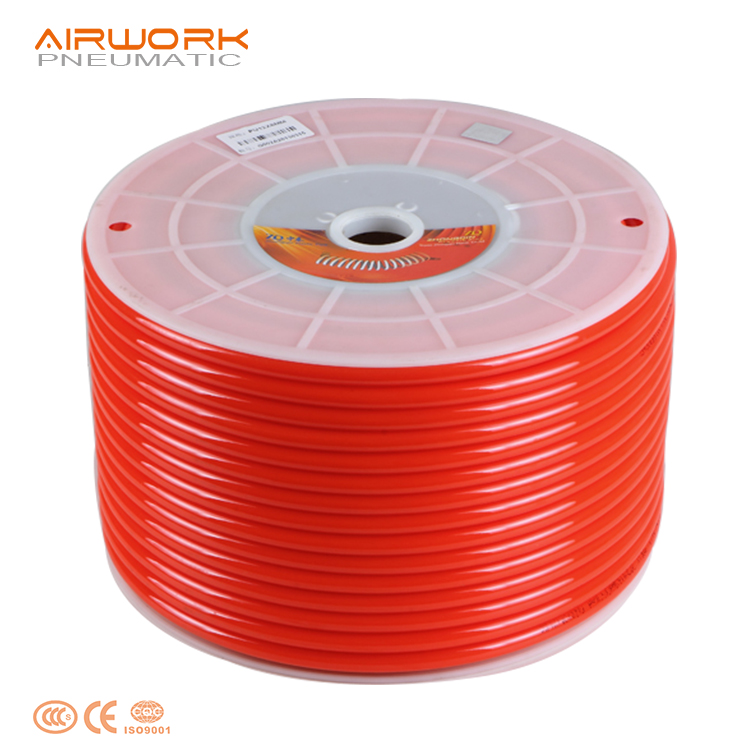
Pneumatic tubes represent a critical component in modern industrial automation, delivering compressed air with precision and minimal energy loss across equipment and production lines. The efficiency of pneumatic tubes directly impacts operational costs, system reliability, and overall equipment performance. Understanding how pneumatic tubes improve airflow efficiency reveals why investing in quality tubing systems translates to measurable productivity gains and reduced maintenance expenses for manufacturing facilities.
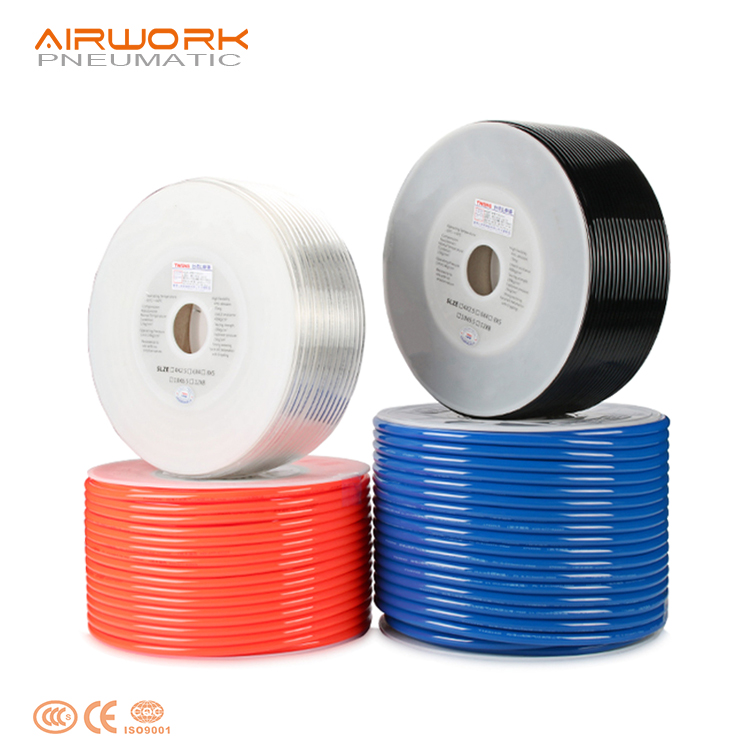
The relationship between pneumatic tubes and airflow efficiency extends beyond simple air delivery. Pneumatic tubes engineered with optimal interior surface characteristics, wall thickness, and material composition minimize turbulence, reduce pressure drops, and maintain consistent air velocity throughout the system. When pneumatic tubes perform efficiently, energy consumption decreases, system response times improve, and equipment operates with greater reliability under demanding industrial conditions.
Design Principles Behind Pneumatic Tube Efficiency
Material Selection and Internal Surface Properties
The foundation of pneumatic tubes efficiency lies in material choice and manufacturing precision. Pneumatic tubes constructed from polyurethane or specialized polymers offer superior internal smoothness compared to traditional rubber options, reducing friction-induced pressure loss. A smooth internal surface in pneumatic tubes minimizes air turbulence, allowing compressed air to flow with less resistance and maintaining stable pressure delivery throughout equipment circuits.
When pneumatic tubes feature consistent bore diameter and uniformly smooth walls, the air velocity remains stable, preventing energy waste through turbulent flow patterns. Pneumatic tubes with dimensional precision ensure minimal dead zones where air stagnation occurs, which would otherwise force compressors to work harder and consume additional energy to maintain target pressures across the system.
Wall Thickness and Structural Integrity
Optimal wall thickness in pneumatic tubes balances pressure containment with minimal material weight, directly influencing airflow efficiency. Pneumatic tubes with inappropriately thick walls add unnecessary weight and volume, requiring more air energy to fill the tubing before reaching operational pressure. Conversely, pneumatic tubes with precisely engineered wall thickness maintain pressure integrity while minimizing the air volume needed for system operation.
Structural integrity of pneumatic tubes prevents micro-leaks and pressure degradation over extended operational periods. As pneumatic tubes age, material fatigue can create tiny perforations that cause gradual pressure loss, forcing compressors to run continuously at higher capacity. Selecting pneumatic tubes manufactured with quality materials and rigorous testing protocols ensures sustained airflow efficiency throughout the equipment lifecycle.
Pressure Drop Reduction and System Performance
Friction Loss Minimization Through Tube Design
Pressure drop represents the primary efficiency challenge in pneumatic tube systems, with friction losses escalating dramatically as air travels through miles of tubing in large facilities. Pneumatic tubes engineered for low friction characteristics reduce these losses significantly, allowing more compressed air energy to reach actuators and control devices rather than dissipating as heat through tube walls. The internal diameter uniformity of pneumatic tubes directly correlates with system efficiency; even slight variations in bore dimensions create resistance points where pressure drops accumulate.
Advanced pneumatic tubes incorporate subtle design features such as internally optimized surface finishes that guide air molecules along the tube walls with minimal turbulence. When pneumatic tubes maintain laminar flow conditions, the energy efficiency of the entire compressed air system improves measurably. Facilities adopting premium pneumatic tubes frequently report 8 to 15 percent reductions in compressor runtime, translating directly to lower energy costs and extended equipment service life.
Temperature Stability and Air Quality Preservation
Temperature fluctuations within pneumatic tubes impact air density and pressure consistency, affecting overall system efficiency. Pneumatic tubes with superior insulation properties maintain more stable air temperatures during transmission, preventing the pressure variations that occur when compressed air cools or heats unexpectedly. Stabilized air conditions within pneumatic tubes ensure equipment receives consistent, predictable pressure for reliable operation and accurate control.
Contamination prevention directly connects to pneumatic tubes efficiency because particle accumulation and moisture condensation increase friction and create blockages. Pneumatic tubes featuring anti-static properties and moisture-resistant materials preserve air quality throughout transmission, maintaining smooth flow characteristics. Clean air within pneumatic tubes allows valves, actuators, and precision equipment to operate at peak efficiency without performance degradation from debris or corrosion.
Installation and Maintenance Impact on Efficiency
Proper Routing and Connection Optimization
How pneumatic tubes are installed profoundly affects their efficiency performance in actual equipment deployments. Sharp bends, excessive coiling, and poor connection practices create turbulence zones that disrupt laminar flow within pneumatic tubes, increasing pressure drop and reducing system efficiency. Installers who follow recommended bend-radius specifications for pneumatic tubes maintain smooth flow paths and minimize energy loss throughout the compressed air circuit.
Connector quality represents an often-overlooked factor in pneumatic tube system efficiency. Low-quality or mismatched connections introduce micro-turbulence at junction points, creating pressure losses that compound throughout the system. Premium pneumatic tubes paired with precision-engineered fittings eliminate these transition losses, allowing air to flow seamlessly from compressors through control systems to end-use equipment without unnecessary pressure degradation.
Regular Inspection and Predictive Maintenance
Maintaining pneumatic tubes efficiency over extended operational periods requires systematic inspection protocols that identify degradation before performance suffers. Small cracks, surface degradation, or material brittleness in pneumatic tubes often escape casual visual inspection, yet progressively increase friction and pressure loss. Facilities implementing quarterly inspection regimens for pneumatic tubes catch early-stage deterioration, allowing preventive replacement before significant efficiency losses occur.
Monitoring pressure readings at multiple points throughout pneumatic tube circuits reveals efficiency trends and guides maintenance decisions. When downstream pressure readings decline progressively, pneumatic tubes may be accumulating internal deposits or developing micro-fractures that require investigation. Replacing compromised pneumatic tubes before complete failure prevents unexpected equipment downtime and maintains consistent system efficiency for production operations.
FAQ
What specific features make pneumatic tubes more efficient than standard tubing options?
Premium pneumatic tubes feature smooth, consistent internal surfaces that minimize friction and turbulence, reducing pressure drops significantly. The material composition, dimensional precision, and wall thickness optimization in pneumatic tubes create lower resistance pathways for compressed air, allowing energy to reach equipment with minimal waste. Pneumatic tubes manufactured to exacting standards outperform commodity alternatives by 15 to 25 percent in overall system efficiency metrics.
How do pneumatic tubes impact compressor workload and energy consumption?
When pneumatic tubes maintain low pressure drop characteristics, compressors operate at lower discharge pressures to achieve the same system output, directly reducing energy consumption. Pneumatic tubes that preserve air quality and minimize leakage eliminate the wasted compressor cycles that occur in inefficient systems. Upgrading to high-efficiency pneumatic tubes typically reduces annual compressor energy costs by 10 to 20 percent while simultaneously extending compressor service life.
Can existing equipment be retrofitted with more efficient pneumatic tubes?
Yes, existing equipment systems can typically be retrofitted with higher-efficiency pneumatic tubes, though the feasibility depends on physical space constraints and connection compatibility. Replacing older pneumatic tubes with modern, optimized alternatives often requires minimal equipment modifications and delivers immediate efficiency improvements. Many facilities find that retrofitting pneumatic tubes in high-flow applications provides rapid return on investment through energy savings within the first operational year.