 EN

Manufacturing facilities worldwide depend on reliable systems to maintain productivity and minimize operational costs. Pneumatic parts represent one of the most effective solutions for enhancing equipment performance across diverse industrial applications. These components work by converting compressed air into mechanical energy, enabling smooth operation of machinery while reducing energy consumption compared to traditional hydraulic or electric alternatives. Understanding how pneumatic parts improve efficiency in manufacturing equipment is essential for operations managers and maintenance professionals seeking to optimize production lines and extend equipment lifespan.
The integration of pneumatic parts into manufacturing equipment delivers immediate and long-term benefits that impact the bottom line. Facilities that implement quality pneumatic parts experience reduced downtime, lower maintenance costs, and improved production speeds. By exploring the specific mechanisms through which pneumatic parts enhance operational efficiency, manufacturers can make informed decisions about equipment upgrades and maintenance strategies that directly support their business goals.
Energy Efficiency and Cost Savings
How Pneumatic Parts Reduce Operating Costs
Pneumatic parts deliver exceptional energy efficiency compared to hydraulic or electric systems in many manufacturing scenarios. These components operate on compressed air, which is produced by compressors already present in most industrial facilities. Unlike electric motors that consume consistent power regardless of actual demand, pneumatic parts only consume energy when they actively perform work, significantly reducing idle power consumption. This on-demand energy model means that manufacturing equipment equipped with pneumatic parts consumes substantially less electricity, directly lowering utility bills and operational expenses over time.
The cost advantage of pneumatic parts extends beyond energy consumption to maintenance and replacement expenses. Pneumatic systems contain fewer moving parts than comparable hydraulic systems, resulting in reduced wear rates and extended service intervals. When maintenance becomes necessary, pneumatic parts are typically less expensive to replace than hydraulic components, and they require simpler repairs that can often be completed by standard maintenance personnel. Facilities using pneumatic parts in their manufacturing equipment report maintenance cost reductions of fifteen to thirty percent compared to hydraulic alternatives, making pneumatic parts a financially sound long-term investment.
Scalability and Installation Efficiency
Implementing pneumatic parts in manufacturing equipment offers scalability advantages that reduce both installation time and capital expenditure. Since most facilities already maintain compressed air infrastructure, adding new pneumatic parts requires minimal additional investment in central air generation systems. Technicians can rapidly install new pneumatic parts throughout manufacturing equipment without requiring extensive facility modifications or major infrastructure upgrades. This straightforward installation process means production lines can be reconfigured quickly, allowing manufacturers to adapt to changing product specifications or market demands without extended downtime.
The expandability of pneumatic parts systems enables manufacturers to start with essential components and gradually expand their pneumatic infrastructure as production needs evolve. This modular approach allows facilities to distribute equipment investments across multiple fiscal years while immediately capturing efficiency gains. As manufacturing operations scale, pneumatic parts provide consistent performance without requiring expensive system redesigns, making them ideal for growing industrial facilities.
Enhanced Reliability and Reduced Downtime
Durability of Pneumatic Parts in Continuous Operations
Manufacturing environments demand equipment that operates reliably under continuous stress and challenging conditions. Pneumatic parts excel in these demanding scenarios because they contain minimal mechanical complexity and typically lack the fluid degradation issues that affect hydraulic systems over time. Compressed air does not degrade like hydraulic fluid, meaning pneumatic parts maintain consistent performance throughout their operational lifespan without the performance losses common in hydraulic equipment. This fundamental reliability advantage ensures that manufacturing equipment equipped with pneumatic parts delivers predictable output quality and speed consistently throughout production runs.
The inherent durability of pneumatic parts directly translates to reduced unplanned maintenance events and production interruptions. Facilities implementing pneumatic parts in critical manufacturing processes report significant reductions in equipment failures that generate costly production stoppages. When pneumatic parts do require maintenance, the repairs typically take less time than hydraulic system repairs, minimizing production disruption. This reliability profile makes pneumatic parts particularly valuable for manufacturing environments where continuous operation is essential for meeting customer deadlines and maintaining competitive market positioning.
Predictable Performance in Varied Conditions
Manufacturing facilities often operate in environments with temperature fluctuations, humidity variations, and exposure to dust or chemical residues that can compromise equipment performance. Pneumatic parts demonstrate exceptional resistance to these environmental stressors compared to electronic or hydraulic components. The compressed air itself provides natural lubrication to many pneumatic parts, creating a protective environment that resists corrosion and degradation from external contaminants. Manufacturers operating equipment in challenging environments report that pneumatic parts maintain performance consistency and require less frequent calibration than alternative technologies.
The stable performance characteristics of pneumatic parts enable manufacturing facilities to maintain tighter production tolerances and deliver more consistent product quality. Equipment precision remains reliable across extended operating periods without the drift or degradation that sometimes affects electronic or hydraulic systems. This stability is particularly important in precision manufacturing where product specifications demand exact measurements and consistent material processing throughout production runs.
Safety and Operational Advantages
Safety Benefits of Pneumatic Parts Integration
Pneumatic parts contribute significantly to workplace safety in manufacturing environments by eliminating fire and explosion hazards associated with hydraulic fluids. Compressed air is non-flammable, making pneumatic parts inherently safer in facilities where fire risk represents a significant concern. Workers operating manufacturing equipment with pneumatic parts face reduced exposure to toxic hydraulic fluids and their associated health hazards. This safety advantage extends to emergency response scenarios where equipment failure must be addressed quickly without concern for fluid containment or environmental contamination protocols that hydraulic systems require.
The operational safety of pneumatic parts also improves workplace ergonomics because pneumatic systems can be designed with inherent pressure relief features that prevent over-pressure conditions causing sudden equipment failures. Modern pneumatic parts include integrated safety mechanisms that automatically shut down operations if pressure exceeds safe operating parameters. These built-in safety features reduce the probability of sudden equipment malfunctions that could injure workers or damage adjacent production equipment, creating a demonstrably safer manufacturing environment.
Flexibility in Manufacturing Applications
Manufacturing operations require equipment adaptability to accommodate different product types, production volumes, and processing requirements throughout their operational lifetime. Pneumatic parts offer unmatched flexibility because they can be rapidly configured and reconfigured to support varying operational demands. Facilities can adjust pneumatic system pressures and flow rates without replacing core components, enabling quick transitions between production runs with different specifications. This adaptability reduces equipment changeover time and allows manufacturers to respond rapidly to customer requests or market opportunity shifts.
The pneumatic parts used in modern manufacturing equipment support both simple point-of-use applications and complex integrated control systems. Manufacturing facilities can combine multiple pneumatic parts to create custom solutions for specialized production requirements without extensive engineering redesign. This design flexibility means manufacturers can optimize equipment configurations specifically for their unique production challenges, maximizing efficiency gains and ensuring equipment investments directly address identified operational constraints.
FAQ
What specific pneumatic parts most significantly impact manufacturing efficiency?
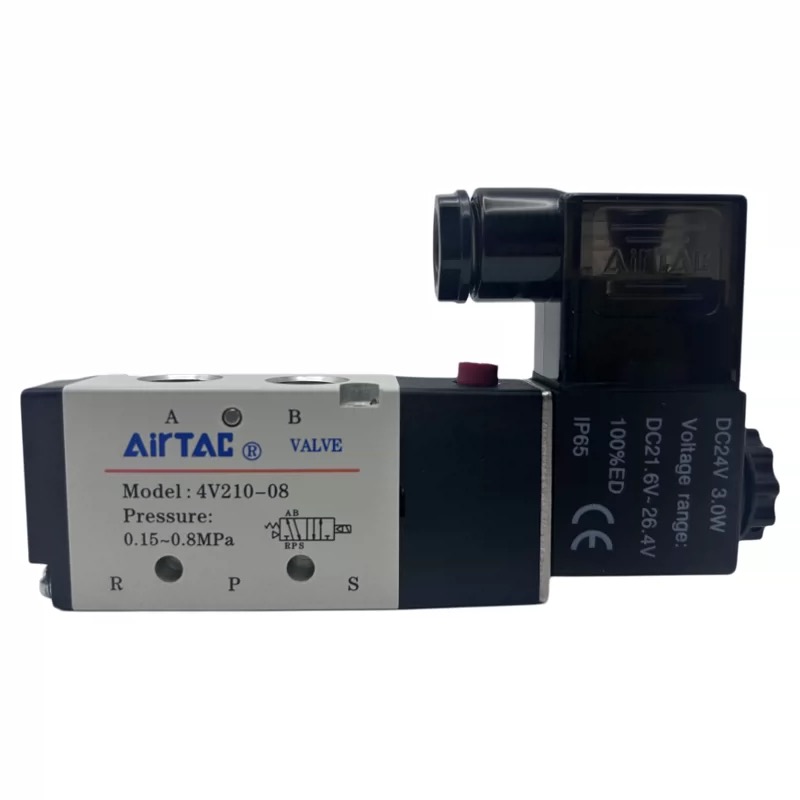
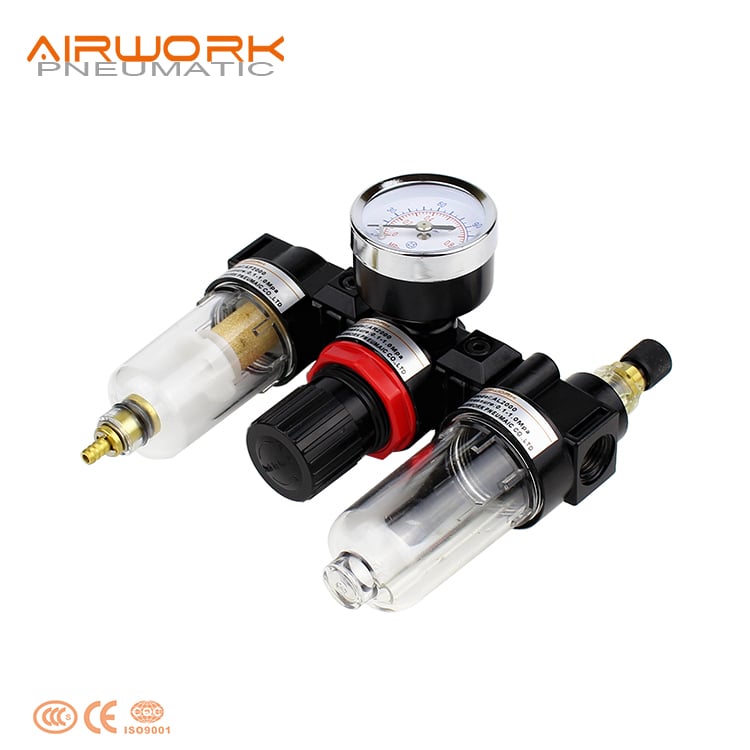
Air compressors, cylinders, valves, and actuators represent the pneumatic parts that typically generate the greatest efficiency improvements in manufacturing equipment. Compressors convert electrical power into compressed air, cylinders convert air pressure into linear motion, valves control air flow to direct equipment operations, and actuators execute specific mechanical actions. Modern pneumatic parts designs incorporate advanced filtration and pressure regulation features that optimize system performance and reduce energy waste throughout manufacturing processes.
How long does it typically take to see cost savings from pneumatic parts installation?
Most manufacturing facilities observe measurable cost reductions within three to six months after implementing pneumatic parts in their equipment systems. Energy consumption typically decreases immediately upon activation, while maintenance cost benefits accumulate as reduced repair requirements compound over time. The specific timeline depends on existing equipment conditions, production volume, and the extent of pneumatic parts integration across the facility.
Can existing manufacturing equipment be retrofitted with pneumatic parts?
Yes, most existing manufacturing equipment can be retrofitted with pneumatic parts to improve efficiency, though the specific feasibility depends on equipment design and current operational requirements. Facilities should consult with pneumatic systems specialists to evaluate retrofit options for their particular equipment. Many manufacturers discover that strategic pneumatic parts retrofits provide substantial efficiency improvements without requiring complete equipment replacement, making this approach financially attractive for existing operations.