 EN
EN

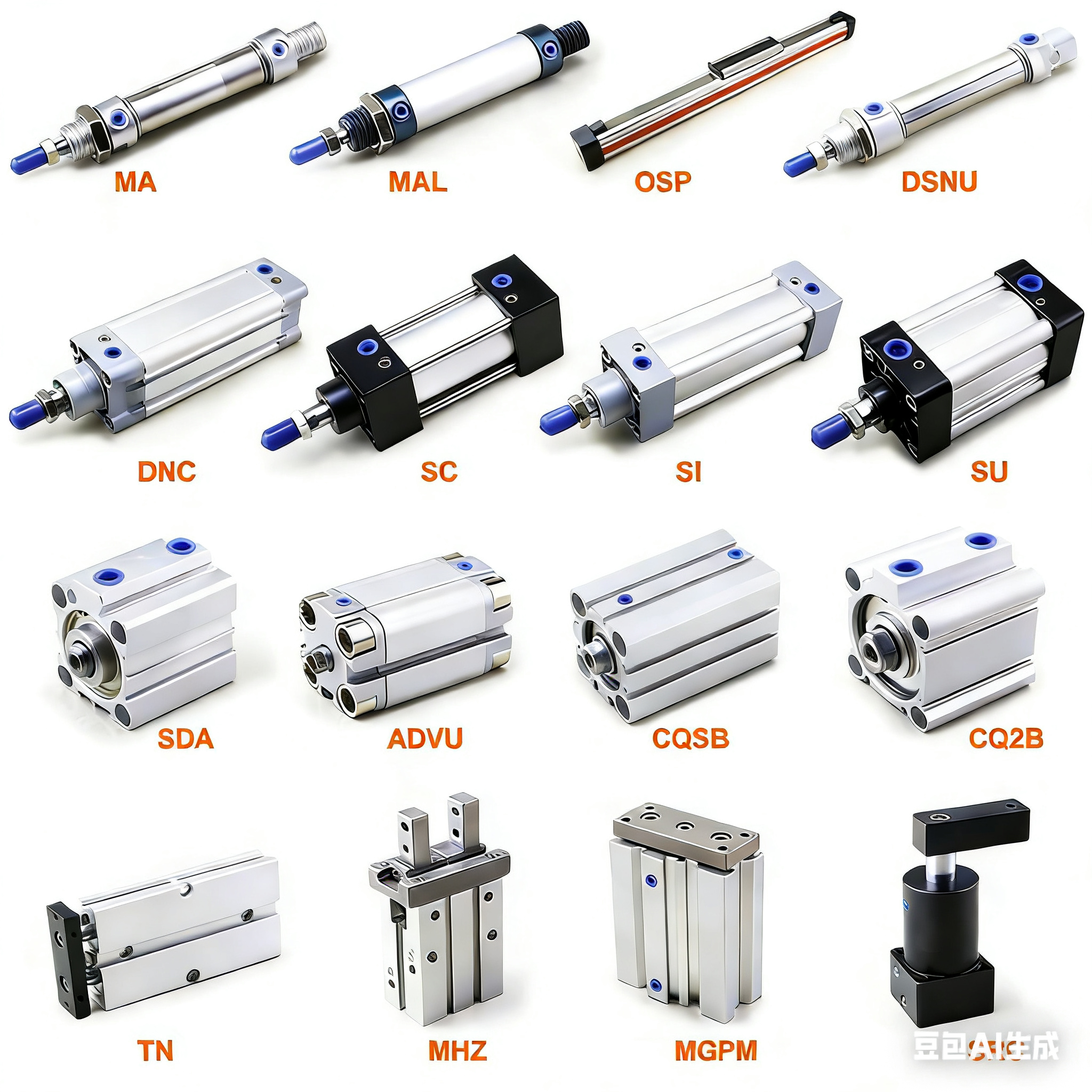
Pneumatic components form the backbone of modern industrial automation, manufacturing, and material handling systems. Understanding how pneumatic components work together is essential for engineers, maintenance professionals, and system designers who need to optimize air-powered operations. These specialized parts work in coordinated fashion to control, direct, and utilize compressed air energy across countless industrial applications. The seamless integration of pneumatic components determines system efficiency, reliability, and performance in factories, workshops, and production facilities worldwide.
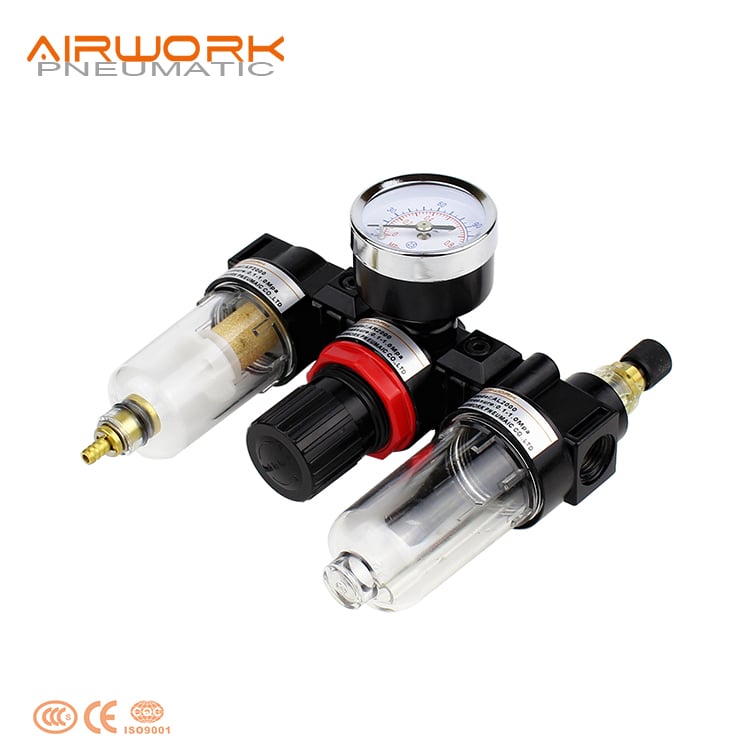
The architecture of any pneumatic system relies on a carefully selected array of pneumatic components, each serving a distinct function within the overall operation. From compressors that generate compressed air to actuators that convert that air into mechanical motion, pneumatic components create an interconnected network of energy transformation and control. Recognizing how each category of pneumatic components contributes to system function allows organizations to design efficient systems, troubleshoot problems effectively, and maintain optimal performance under demanding industrial conditions.
Core Pneumatic Components and Their Functions
Compressors and Air Preparation Units
The compressor serves as the primary energy source in any pneumatic system, compressing atmospheric air to create the pressurized medium that powers all other pneumatic components. Air quality directly impacts the longevity and performance of pneumatic components throughout the system, which is why air preparation units are considered critical pneumatic components. These preparation units, often called filter-regulator-lubricator assemblies, remove moisture, contaminants, and particles from compressed air before it reaches downstream pneumatic components. The FRL system represents one of the most important collections of pneumatic components because it protects expensive equipment and ensures consistent system operation. Water and oil droplets can damage pneumatic components, cause erratic actuator movement, and reduce overall system efficiency significantly.
Control Valves and Directional Pneumatic Components
Directional control valves are fundamental pneumatic components that determine the direction of compressed air flow through the system. These pneumatic components feature internal pathways and solenoid-activated mechanisms that route air to specific actuators on demand. Pressure control valves represent another crucial category of pneumatic components, regulating system pressure to protect downstream equipment and optimize energy consumption. Check valves, shuttle valves, and logic valves represent specialized pneumatic components that handle specific control scenarios in complex automation systems. The proper selection of control pneumatic components ensures that air reaches the right actuator at the right time with appropriate pressure and volume.
How Pneumatic Components Interact in System Operation
Signal Transmission and Feedback Loops
Modern pneumatic systems depend on pneumatic components that communicate through pressure signals and mechanical feedback mechanisms. Pressure sensors integrated into pneumatic components provide real-time data about system conditions, allowing controllers to adjust air flow and pressure dynamically. Logic pneumatic components such as AND gates and OR gates enable decision-making within pneumatic systems without requiring electrical control. This purely mechanical approach to control represents a significant advantage of pneumatic components in hazardous environments where electrical systems pose safety risks. The interaction between sensing pneumatic components and control pneumatic components creates responsive systems capable of adapting to varying production demands.
Energy Flow and Efficiency Considerations
Compressed air energy flows through pneumatic components in a carefully orchestrated sequence designed to minimize waste and maximize useful work output. Each pneumatic components type is engineered to handle specific pressure ranges, flow rates, and duty cycles to ensure system reliability. The efficiency of energy transfer between pneumatic components depends on proper sizing, maintenance, and operational parameters. Undersized pneumatic components create bottlenecks that reduce system speed and increase pressure drop across the circuit. Oversized pneumatic components waste energy and increase system cost without providing proportional performance benefits.
Selection and Integration of Pneumatic Components
Matching Pneumatic Components to Application Requirements
Selecting appropriate pneumatic components requires understanding the specific demands of each industrial application and the constraints of the operating environment. Heavy-duty manufacturing requires pneumatic components rated for continuous operation at maximum pressure, while lighter applications may utilize lower-rated pneumatic components to reduce system cost. Environmental factors such as temperature extremes, moisture exposure, and corrosive atmospheres influence which pneumatic components materials and designs work best. Standard pneumatic components with ductile iron bodies suit typical factory environments, while stainless steel pneumatic components offer superior corrosion resistance in food processing and chemical facilities. Application-specific pneumatic components such as vacuum generators or proportional valves add sophisticated control capabilities to specialized systems.
System Design and Pneumatic Components Layout
Effective pneumatic system design arranges pneumatic components to minimize pressure drops, reduce hose lengths, and optimize component accessibility for maintenance. Centralized air preparation ensures consistent quality for all downstream pneumatic components, improving reliability across the entire network. Modular pneumatic components allow engineers to reconfigure systems quickly when production requirements change or new applications emerge. Properly designed circuits prevent cross-contamination between pneumatic components and allow for efficient isolation of sections during maintenance activities. The spatial arrangement of pneumatic components affects both initial installation cost and long-term operational efficiency.
Maintenance and Optimization of Pneumatic Components
Preventive Maintenance Protocols
Regular maintenance of pneumatic components prevents premature failure, reduces unexpected downtime, and extends equipment service life significantly. Filter element replacement in air preparation pneumatic components should follow manufacturer recommendations based on operating conditions and air quality. Valve seals in control pneumatic components wear gradually and require periodic inspection to maintain proper flow control and air tightness. Actuator pneumatic components benefit from proper lubrication and inspection of rod condition to prevent contamination and jamming. Documentation of maintenance schedules for each pneumatic components category ensures consistent care throughout the system lifecycle.
Performance Monitoring and Troubleshooting
Modern pneumatic components often integrate sensors and diagnostic features that enable predictive maintenance approaches. Pressure gauge readings at various system points reveal whether individual pneumatic components are functioning within design parameters. Excessive air leakage indicates problems with pneumatic components seals or valve closures that require immediate attention. Sluggish actuator response suggests blockages, contamination, or failure of control pneumatic components upstream in the circuit. Systematic troubleshooting of pneumatic components requires understanding how system components interact and where problems typically originate.
FAQ
What are the main categories of pneumatic components?
The primary categories include compressors for air generation, air preparation units for filtration and regulation, directional control valves for flow direction, actuators for mechanical motion conversion, and specialty pneumatic components like proportional valves and vacuum generators. Each category serves specific functions within the integrated pneumatic system architecture.
How do pneumatic components achieve system reliability?
Pneumatic components achieve reliability through robust materials, precision manufacturing, proper sizing for application demands, and consistent maintenance practices. Quality pneumatic components from reputable manufacturers meet international standards and provide performance consistency across different operating environments and duty cycles.
Can pneumatic components operate effectively in hazardous environments?
Yes, pneumatic components excel in hazardous locations where electrical equipment creates fire or explosion risks. Pneumatic components require no electrical power for basic operation, making them ideal for mines, chemical plants, and facilities handling flammable materials safely and reliably.