 EN

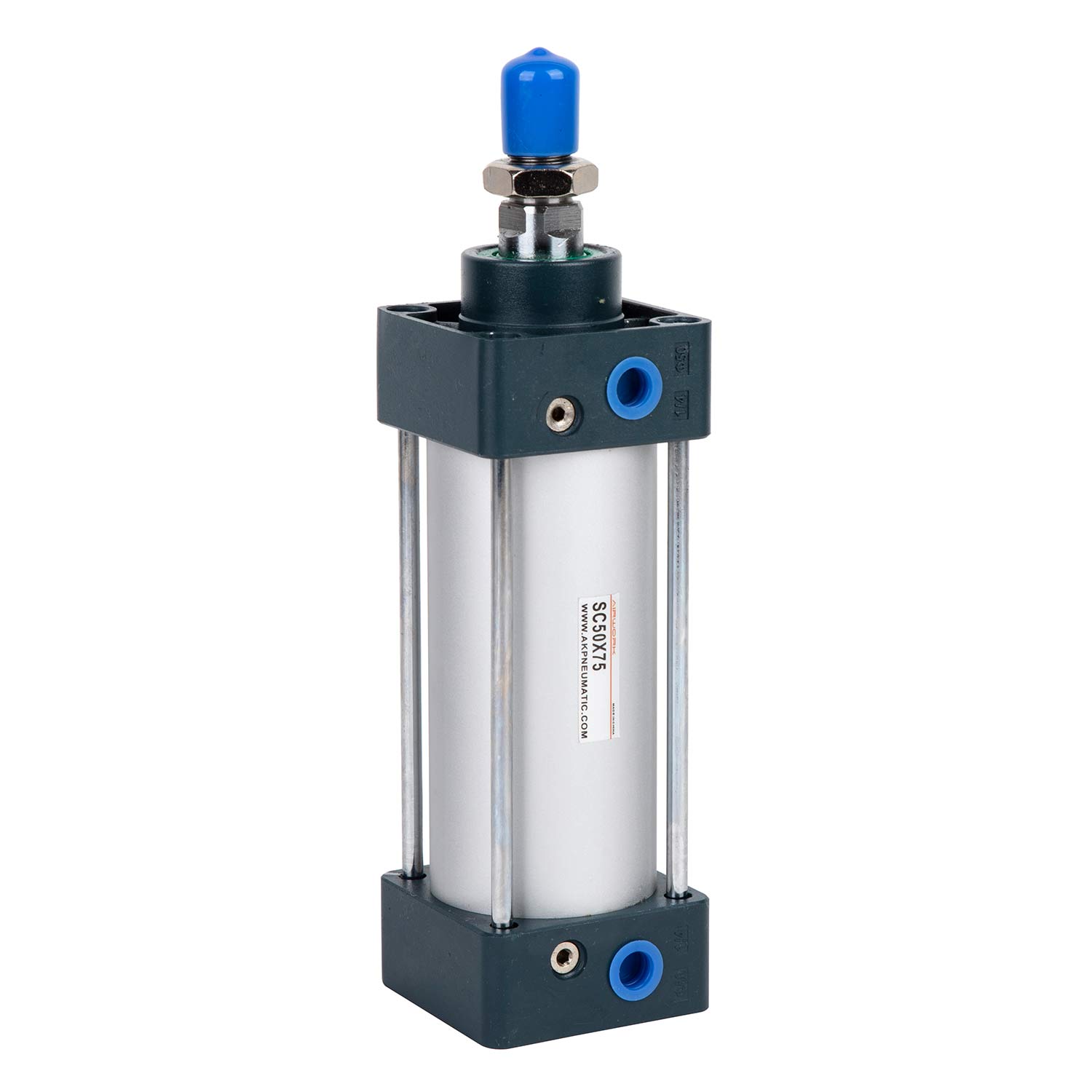
Air fittings are essential components that enable the connection of pneumatic equipment, tubing, and hoses within pneumatic systems. These mechanical connectors serve as the critical interface points where compressed air flows from one component to another, making them fundamental to any industrial or commercial pneumatic operation. Understanding what air fittings are and how they function is vital for engineers, maintenance professionals, and facility managers who rely on pneumatic power transmission. Air fittings ensure leak-free connections, maintain system efficiency, and provide reliable performance across manufacturing, automotive, healthcare, and automation industries.
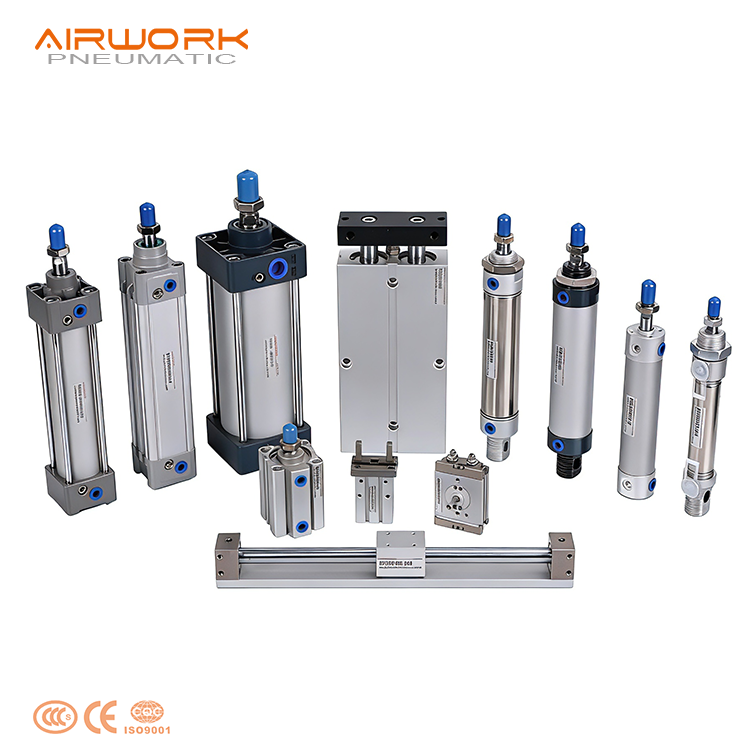
Pneumatic systems depend on precise connection architecture to operate safely and efficiently. Air fittings bridge the gap between compressors, actuators, valves, tools, and distribution networks, allowing compressed air to travel where it is needed. The quality and design of air fittings directly impact system reliability, maintenance costs, and operational downtime. By learning how air fittings connect pneumatic systems, organizations can make informed purchasing decisions and maintain equipment that performs consistently over extended service life.
Understanding Air Fittings and Their Core Functions
What Are Air Fittings?
Air fittings are standardized connectors engineered to join pneumatic hoses, tubes, and equipment together safely and securely. These components come in various materials including brass, stainless steel, aluminum, and engineered polymers, each selected based on application requirements and environmental conditions. Air fittings must withstand pressure ratings specified by industry standards, seal against compressed air leakage, and maintain structural integrity under repeated connection and disconnection cycles. The diversity of air fittings available means that virtually any pneumatic system configuration can be achieved through proper selection and application of the right connector types.
Primary Functions of Air Fittings in Pneumatic Systems
Air fittings perform multiple critical functions within pneumatic systems. They create secure junctions between hoses and equipment, prevent compressed air from escaping at connection points, allow for system modularity and reconfiguration, and enable quick disconnection when maintenance or equipment changes are required. High-quality air fittings reduce energy waste, minimize operational interruptions caused by leaks, and improve the overall efficiency of pneumatic systems. Without reliable air fittings, pneumatic systems would suffer from continuous pressure loss, safety hazards, and reduced productivity that would compromise industrial operations.
Types of Air Fittings and Connection Methods
Common Air Fittings Categories
Air fittings are classified into several types based on their connection mechanism and design. Push-to-connect air fittings offer quick assembly without tools, making them popular in modern pneumatic applications. Threaded air fittings provide permanent, high-pressure connections through NPT or metric thread standards. Barbed air fittings grip hoses mechanically through ridged designs, while compression air fittings create sealed connections through ferrule compression. Manifold block connections integrate multiple air fittings into single component units for space-efficient installation. Each type of air fittings serves specific applications, and selecting the appropriate category depends on pressure requirements, operating environment, maintenance accessibility, and budget constraints.
How Air Fittings Connect Pneumatic Components
The connection process for air fittings varies by type but always aims to create an airtight seal. Push-to-connect air fittings work by inserting a hose into the fitting body, where internal grippers automatically hold the hose in place while sealing occurs. Threaded air fittings require manual assembly by screwing male and female components together, often with thread sealant tape applied to prevent leakage. Compression air fittings operate by tightening a nut that drives a ferrule onto the hose or tube, creating a compressive seal. The connection method for air fittings directly influences installation speed, long-term reliability, and the ease of future disconnection when system modifications become necessary.
Selection Criteria and System Integration
Evaluating Air Fittings for Your Pneumatic System
Proper selection of air fittings requires careful consideration of multiple technical and operational factors. Pressure rating must exceed the maximum operating pressure of your pneumatic system, typically by a significant safety margin. Port size, measured in fractional inches or metric dimensions, must match existing equipment and hose specifications to prevent incompatibilities. Material selection depends on whether your system handles corrosive environments, extreme temperatures, or aggressive media that might degrade inferior air fittings. Flow capacity, measured in CFM or liters per minute, should accommodate your system's peak air demand without creating unnecessary pressure drop across air fittings connections.
Integration Best Practices for Air Fittings
Successful pneumatic system integration begins with standardizing air fittings types across your facility to simplify maintenance, reduce inventory complexity, and minimize connection errors. Air fittings should be installed with attention to proper tightening torque, thread sealant application, and leak testing before system startup. Regular inspection schedules should verify that air fittings connections remain tight, show no signs of corrosion or damage, and maintain consistent pressure readings throughout the system network. Preventive maintenance of air fittings, including periodic tightening and replacement of worn components, extends pneumatic system lifespan and prevents unexpected downtime that disrupts production schedules.
Common Applications and Industry Usage
Pneumatic Systems Relying on Air Fittings
Manufacturing facilities depend heavily on air fittings to connect assembly automation, pneumatic tools, and robotic systems that improve production efficiency. Automotive repair shops use air fittings in impact wrenches, air drills, and spray guns that require quick-connect capability for operator convenience. Food processing plants rely on stainless steel air fittings that resist corrosion from moisture and cleaning processes inherent to food production environments. Dental practices, medical laboratories, and hospital facilities utilize specialized air fittings designed for healthcare applications that meet rigorous sanitation and safety standards. Construction sites employ rugged air fittings in nail guns, grinders, and compressors that operate in demanding outdoor conditions where reliability cannot be compromised.
Operational Advantages of Quality Air Fittings
Investment in high-quality air fittings delivers measurable operational advantages across industrial sectors. Reduced air leakage translates directly to lower energy consumption and reduced compressor runtime, improving facility operating costs. Quick-connect air fittings accelerate equipment changes and maintenance procedures, minimizing production downtime and labor expenses. Durable air fittings withstand thousands of connection cycles without degradation, extending pneumatic system service intervals and reducing replacement frequency. Consistent sealing performance from premium air fittings prevents system inconsistencies that might otherwise compromise equipment precision and product quality in manufacturing environments.
FAQ
What is the difference between push-to-connect and threaded air fittings?
Push-to-connect air fittings enable tool-free, rapid assembly where hose insertion triggers automatic gripping and sealing mechanisms, ideal for applications requiring frequent reconnection. Threaded air fittings demand manual screwing of components together and typically provide slightly higher pressure ratings, making them preferred for permanent high-pressure installations. Push-to-connect air fittings sacrifice some maximum pressure capacity for convenience and speed, while threaded air fittings offer superior strength but require more installation time and maintenance skill. Choice between these air fittings types depends on your system's pressure requirements, usage frequency, and maintenance capabilities.
How do I prevent leaks in air fittings connections?
Proper installation of air fittings begins with selecting the correct size and type for your specific application, then applying appropriate thread sealant to threaded air fittings before assembly. Tightening connections to manufacturer-specified torque values ensures adequate sealing pressure without over-tightening that might damage air fittings threads or ferrules. Regular pressure monitoring helps identify leaks in air fittings early, allowing prompt replacement before significant energy waste occurs. Periodic visual inspections for corrosion, cracks, or moisture around air fittings connections catch deterioration before failure, and keeping connection points clean prevents debris from interfering with sealing mechanisms.
Can air fittings be used interchangeably between different pneumatic systems?
Air fittings compatibility depends on matching pressure ratings, port sizes, thread types, and connector mechanisms between your existing system components and new air fittings being introduced. NPT threaded air fittings may not connect properly with metric-threaded systems without appropriate adapters, and mixing air fittings of different pressure ratings can create safety hazards and system failures. Some modern air fittings feature universal designs that accommodate multiple hose sizes or thread standards, but most air fittings require exact specification matching. Before installing any air fittings into an existing pneumatic system, consult technical specifications and contact manufacturers to confirm compatibility and prevent costly assembly errors.