 EN
EN

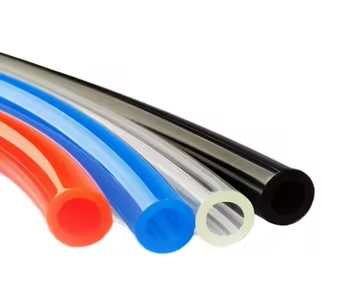
ʼN Lugpyp is ʼn gespesialiseerde buis wat ontwerp is om saamgepers lug binne pneumatoriese sisteme te vervoer, en dien as die kritieke pad wat pneumatoriese toestelle in staat stel om doeltreffend te funksioneer. Dit is noodsaaklik dat ingenieurs, tegnici en stelselontwerpers wat met saamgeperslugtegnologie in verskeie industriële toepassings werk, verstaan wat ʼn lugpyp behels en sy spesifieke toepassings in pneumatoriese sisteme.
Die rol van ʼn lugpyp in pneumatoriese sisteme strek verder as bloot lugtransport en sluit drukreëling, stelseldoeltreffendheid en bedryfsbetroubaarheid in. Hierdie buisagtige of stywe gelei moet verskillende drukvlakke weerstaan terwyl dit konsekwente lugvloei-eienskappe handhaaf wat direk die prestasie van pneumatoriese aktuatorre, silinders, kleppe en beheerstelsels gedurende industriële bedrywighede beïnvloed.
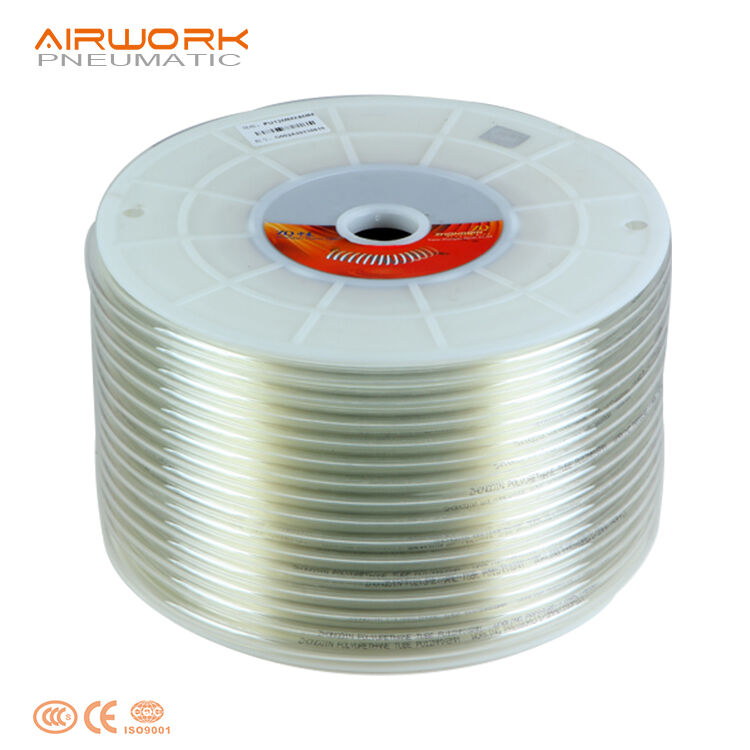
Fundamentele Kenmerke en Konstruksie van Lugpype
Materiaalsamestelling en Ontwerpseienskappe
'n Lugbuis bestaan tipies uit gespesialiseerde materiale wat ontwerp is om saamgeperste lugtoepassings te hanteer, met algemene konstruksiemateriale soos poliuretaan, nylon, poliëtileen en versterkte rubberverbindings. Die keuse van materiaal vir 'n lugbuis hang af van bedryfsdrukvereistes, temperatuurreekse, chemiese versoenbaarheid en buigsaamheidsbehoeftes binne die spesifieke pneumatiese stelseltoepassing.
Die wanddikte van ‘n lugbuis wissel volgens drukgraderings, met standaard industriële lugbuise wat ontwerp is om werkdrukke van 150 tot 300 PSI te hanteer. Hoër-druktoepassings mag versterkte lugbuiskonstruksies vereis wat gevlegte veselversterking of meervoudige wandlae insluit om veilige bedryf onder veeleisende pneumatoriese stelselomstandighede te verseker.
Die interne deursnee-spesifikasies vir 'n lugpyp beïnvloed direk die vloei-kapasiteit en drukval-eienskappe binne pneumatoriese sisteme. Standaardgroottes wissel van 4 mm tot 25 mm interne deursnee, waar groter-deursnee lugpype hoër vloei-tempo's verskaf maar meer installasie-ruimte benodig en moontlik hoër materiaalkoste in pneumatoriese stelselontwerp meebring.
Drukgradering en veiligheids-oorwegings
Die drukgradering van 'n lugpyp verteenwoordig die maksimum veilige werkdruk wat die pyp kontinu sonder mislukking of afbreek kan hanteer. Die meeste industriële lugpype het barsdrukgraderings wat die werk-druk met 'n faktor van drie tot vier oorskry, wat toereikende veiligheidsmarge vir pneumatoriese stelselbedryf onder wisselende belastingstoestande bied.
Die temperatuurweerstandseienskappe van 'n lugpyp beïnvloed sy geskiktheid vir verskillende pneumatoriese stelselomgewings, met standaard bedryfsbereike wat gewoonlik strek van -40°C tot +80°C. Gespesialiseerde hoëtemperatuur-lugpypformulerings kan verhoogde temperature tot 150°C hanteer, wat dit geskik maak vir pneumatoriese stelsels wat in warm industriële omgewings of naby hittegenereerende toerusting bedryf word.
Chemiese versoenbaarheid van 'n lugpyp word noodsaaklik in pneumatoriese stelsels wat aan olies, oplosmiddels of skoonmaakmiddels blootgestel word. Poliuretaanlugpype bied uitstekende weerstand teen die meeste industriële chemikalieë, terwyl gespesialiseerde formulerings verbeterde weerstand teen spesifieke stowwe bied wat moontlik in sekere pneumatoriese stelseltoepassings voorkom.
Installasiemetodes en Verbindings tegnieke
Passing Stelsels en Verbindingshardeware
Die behoorlike installasie van 'n lugpyp in pneumatoriese sisteme vereis toepaslike aansluitingsstelsels wat lekvrye verbindings verseker terwyl dit ook stelselonderhoud en -herkonfigurasie moontlik maak. Druk-in-verbindingaansluitings verteenwoordig die mees algemene verbindingsmetode vir lugpype, wat vinnige installasie en verwydering bied sonder dat spesiale gereedskap of draadverbindings nodig is.
Die installasieproses vir 'n lugbuis bevat die sny van die pyp tot presiese lengtes, met die versekering van skoon, vierkantige snye wat luglekke voorkom en die behoorlike sealing binne pneumatoriese stelselaansluitings handhaaf. Behoorlike snytegnieke elimineer kantlyne en vervorming wat die integriteit van verbindings in pneumatoriese sisteme kan kompromitteer.
Gebareerde verbindingsstukke bied 'n alternatiewe verbindingsmetode vir lugpype in pneumatoriese sisteme waar permanente installasies verkies word. Hierdie verbindingsstukke vereis slangklemme of krimpringe om die lugpypverbinding te verseker, wat robuuste verbindinge verskaf wat geskik is vir omgewings met hoë vibrasie of toepassings waar druk-om-te-verbind-verbindingsstukke dalk per ongeluk losgemaak kan word.
Rigtingbepaling en ondersteuning-oorwegings
Die rigtingbepaling van 'n lugpyp deur pneumatoriese sisteme vereis noukeurige oorweging van die beperkings van die buigradius om knikking of vloei-beperking te voorkom. Die meeste lugpype spesifiseer minimum buigradiusvereistes wat wissel van 5 tot 8 keer die buitediameter, wat verseker dat skerp boogies nie die lugvloei of pypintegriteit binne pneumatoriese sisteme kompromitteer nie.
Ondersteuningsstelsels vir lugpype in pneumatoriese stelsels sluit kabelbindings, monteerhouers en beskermende buise in wat beskadiging deur bewegende masjinerie, skerpe rande of omgewingsgevare voorkom. Behoorlike ondersteuningsafstande voorkom hangende pype wat lae punte kan skep waar kondensasie in pneumatoriese stelsels sou kon versamel.
Beskermingsoorwegings vir lugpypinstallasies sluit die keuse van toepaslike roetes in wat gebiede met hoë hitte, skerpe voorwerpe of chemiese blootstelling vermy wat die pypmateriaal sou kan aantas. Beskermende doppe of buise mag nodig wees in harsh omgewings om die dienslewe van lugpype binne pneumatoriese stelsels te verleng.
Bedryfsfunksies in Pneumatoriese Stelsels
Lugvloei-beheer en -verspreiding
‘n Lugbuis dien as die primêre verspreidingsnetwerk in pneumatoriese sisteme, wat saamgepers lug vanaf sentrale kompressor eenhede na individuele pneumatoriese komponente deur die hele stelsel vervoer. Die interne deursnee en lengte van ‘n lugbuis beïnvloed direk die vloei snelheid en drukval, wat noukeurige dimensiebepaling vereis om toereikende druk by al die pneumatoriese stelsel eindpunte te handhaaf.
Vloei-beheer binne pneumatoriese sisteme behels dikwels vloei-beperkers of naaldkleppe wat in reeks met lugbuise geïnstalleer word om lugvloei na spesifieke komponente te reguleer. Hierdie beheermeganismes maak fyninstelling van pneumatoriese aktuator snelhede en kragkenmerke moontlik deur die tempo waarteen ‘n lugbuis lug na pneumatoriese silinders kan voorsien of daarvan kan ontlug, te beheer.
Verspreidingsverdeelstukke integreer met lugpype om vertakte pneumatoriese sisteme te skep wat verskeie komponente vanaf een enkele saamgeperste lugbron voorsien. Hierdie verdeelstuksisteme maak gebruik van verskeie lugpyskonneksies om lug te versprei terwyl drukbalans oor al die takke van die pneumatoriese stelsel gehandhaaf word.
Druk-oordrag en Stelselreaksie
Die druk-oordrageienskappe van ’n lugpyp beïnvloed die reaktietyd van pneumatoriese sisteme, waarby langer pyplengtes vertragings tussen die bedrywing van ’n beheerklep en die reaksie van pneumatoriese komponente inbreng. ’n Begrip van hierdie tydkenmerke help ingenieurs om pneumatoriese sisteme te ontwerp met toepaslike lugpyp-lengtes en -deursnitte vir die vereiste reaksiesnelhede.
Dinamiese drukeffekte binne 'n lugpyp beïnvloed die gedrag van pneumatoriese stelsels tydens vinnige siklusbedryf. Die saampersbaarheid van lug binne lang lugpyplyne kan drukgolwe skep wat die stelselstabiliteit beïnvloed, wat noukeurige oorweging van pypvolume en stelseldemping in hoëspoed-pneumatoriese toepassings vereis.
Drukregulering in pneumatoriese stelsels behels dikwels drukensors en drukreëlapparate wat deur lugpype aan moniteringspunte oral in die stelsel gekoppel is. Hierdie lugpypverbindings maak gesentraliseerde drukbeheer en monitering van verspreide pneumatoriese stelselkomponente moontlik.
Onderhoud en Prestasieoptimering
Inspeksie- en vervangingsprosedures
Gereelde inspeksie van lugpype in pneumatoriese stelsels behels die nakoming van tekens van slytasie, krake of ontbinding wat tot luglekke of stelselversaking kan lei. Visuele inspeksie fokus op areas waar die lugpyp kontak het met skerp rande, herhaaldelike buiging ondergaan of aan omgewingsbelasting blootgestel word wat die integriteit van die pyp kan kompromitteer.
Lek-opsporingprosedures vir lugpypstelsels maak gebruik van seepoplossings, ultraklank-lekopsporers of druktoetse om verbindingpunte of pypafdelings wat moontlik saamgepers lug verloor, te identifiseer. Selfs klein lekke in 'n lugpyp kan 'n beduidende impak op die doeltreffendheid van 'n pneumatoriese stelsel hê en bedryfskoste verhoog deur verspilde saamgepers lug.
Vervangingplanne vir lugpype in pneumatoriese stelsels moet bedryfsure, omgewingsomstandighede en prestasievereistes oorweeg om stelselbetroubaarheid te verseker. Voorkomende vervanging van lugpype voor mislukking plaasvind, help om konsekwente pneumatoriese stelselprestasie te handhaaf en onverwagse afbreektyd te voorkom.
Prestasieverhogingstrategieë
Die optimalisering van lugpypkeuse vir pneumatoriese stelsels behels die aanpassing van pypkenmerke aan spesifieke toepassingsvereistes, insluitend drukgraderings, temperatuurtrappe en chemiese versoenbaarheidsvereistes. Korrekte spesifikasie van 'n lugpyp verseker optimale prestasie en langdurigheid binne pneumatoriese stelsels.
Optimalisering van die stelselopset oorweeg die rigting van lugpype om drukvalle te minimaliseer en installasiekompleksiteit te verminder, terwyl toeganklikheid vir onderhoud behou word. Effektiewe lugpypopsette verminder die totale saamgeperste lug wat benodig word om pneumatoriese stelsels te bedryf en verbeter die algehele stelseldoeltreffendheid.
Kwaliteitsoorwegings vir lugpypkeuse sluit in die evaluering van vervaardiger-spesifikasies, sertifiseringsstandaarde en toepassing-spesifieke vereistes wat betroubare prestasie in uitdagende pneumatoriese stelselomgewings verseker. Hoër gehalte lugpype kan moontlik beter langtermynwaarde bied deur verminderde onderhoudsvereistes en verbeterde stelselbetroubaarheid.
VEE
Watter materiale word algemeen gebruik in die konstruksie van lugpype vir pneumatoriese stelsels?
Lugbuise vir pneumatiese stelsels word tipies van poliuretaan, nylon, poliëtileen of versterkte rubbermateriale vervaardig. Poliuretaan-lugbuise bied uitstekende buigsaamheid en chemiese weerstand, terwyl nylon beter drukgraderings en temperatuurweerstand bied. Die materiaalkeuse hang af van spesifieke toepassingsvereistes, insluitend bedryfsdruk, temperatuurreeks en omgewingstoestande.
Hoe bepaal ek die korrekte grootte lugbuis vir my pneumatoriese stelsel?
Die keuse van die gepaste lugbuisgrootte vereis dat die vloei-vereistes van pneumatoriese komponente, aanvaarbare drukvalbeperkings en stelselreaksietydvereistes in ag geneem word. In algemeen bied groter deursnee-lugbuise hoër vloei-tempo's en laer drukvalle, maar dit verg meer ruimte en hoër koste. Ingenieursberekeninge of vervaardiger se groottekaarte help om die optimale lugbuisafmetings vir spesifieke pneumatoriese toepassings te bepaal.
Wat veroorsaak lugpypversaking in pneumatoriese sisteme en hoe kan dit voorkom word?
Gewone oorsake van lugpypversaking sluit in die oorskryding van druk- of temperatuurgraderings, meganiese beskadiging deur skerpe rande of buiging wat te veel is, en chemiese afbreek as gevolg van onverenige stowwe. Voorkomingsstrategieë sluit in behoorlike materiaalkeuse, toepaslike rigting met 'n toereikende buigradius, beskermende doppe in harsh omgewings, en gereelde inspeksieskedules om moontlike probleme te identifiseer voordat versaking voorkom.
Kan verskillende tipes lugpype aan mekaar gekoppel word in dieselfde pneumatoriese stelsel?
Verskillende lugpyp-tipes kan in dieselfde pneumatoriese stelsel gekoppel word, mits hulle kompatible drukgraderings het, soortgelyke buitediameters vir behoorlike pasverbindings het en van geskikte materiale vir die bedryfsomgewing gemaak is. Egter moet die mengsel van lugpyp-tipes met versigtigheid gedoen word om te verseker dat alle komponente aan die stelseldruk- en prestasievereistes voldoen, en moet verbindings tussen verskillende pyp-tipes toepaslike oorgangsverbindings gebruik om betroubare bedryf te verseker.
Tabel van inhoud
- Fundamentele Kenmerke en Konstruksie van Lugpype
- Installasiemetodes en Verbindings tegnieke
- Bedryfsfunksies in Pneumatoriese Stelsels
- Onderhoud en Prestasieoptimering
-
VEE
- Watter materiale word algemeen gebruik in die konstruksie van lugpype vir pneumatoriese stelsels?
- Hoe bepaal ek die korrekte grootte lugbuis vir my pneumatoriese stelsel?
- Wat veroorsaak lugpypversaking in pneumatoriese sisteme en hoe kan dit voorkom word?
- Kan verskillende tipes lugpype aan mekaar gekoppel word in dieselfde pneumatoriese stelsel?