 EN
EN

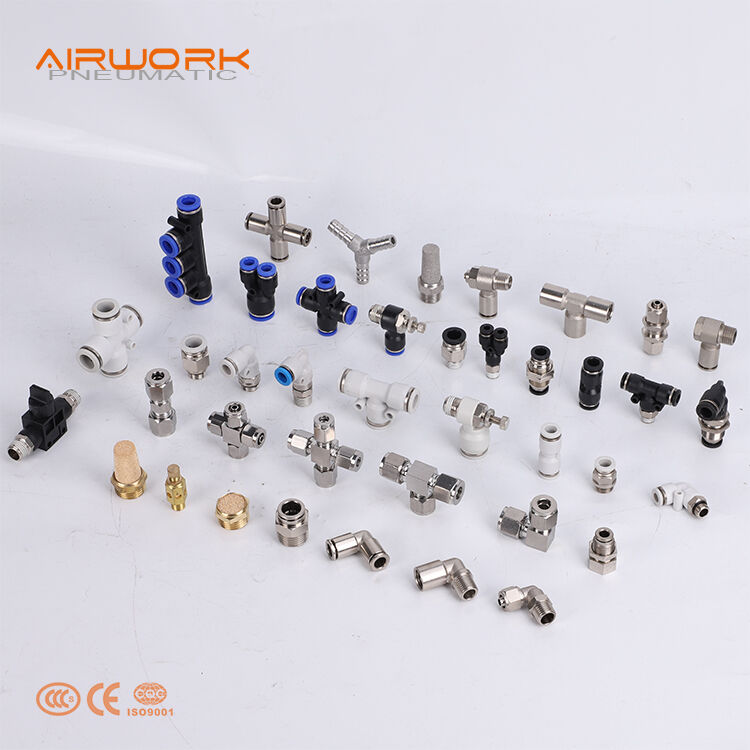
Pneumatic components represent a cornerstone technology for achieving superior machine efficiency in modern manufacturing environments. By harnessing compressed air power, these systems deliver precise control, rapid response times, and consistent performance that directly translates to enhanced productivity and reduced operational costs. Understanding how pneumatic components function within factory automation systems reveals their critical role in optimizing manufacturing processes across diverse industrial applications.
The efficiency gains achieved through pneumatic components stem from their inherent design advantages and operational characteristics. Unlike hydraulic or electric alternatives, pneumatic systems offer clean operation, simplified maintenance requirements, and exceptional safety profiles that make them ideal for continuous factory operations. These components integrate seamlessly with existing machinery while providing the flexibility to adapt to changing production demands and automation requirements.
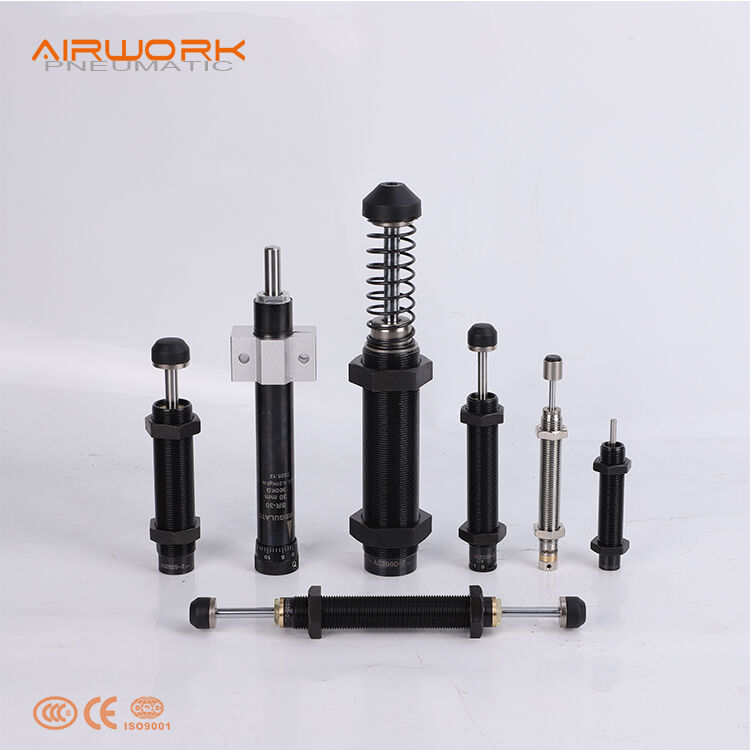
Speed and Response Time Optimization
Instantaneous Actuation Capabilities
Pneumatic components excel in delivering rapid actuation speeds that significantly reduce cycle times in manufacturing processes. The compressible nature of air allows for quick acceleration and deceleration of moving parts, enabling machines to operate at higher frequencies without compromising precision. This speed advantage becomes particularly evident in high-volume production environments where even millisecond improvements in cycle time translate to substantial productivity gains.
The response characteristics of pneumatic components depend on factors such as air pressure levels, valve design, and cylinder sizing. Modern pneumatic systems can achieve response times measured in milliseconds, making them suitable for applications requiring precise timing coordination. This rapid response capability enables manufacturers to increase production throughput while maintaining consistent quality standards throughout the manufacturing process.
Advanced pneumatic components incorporate sophisticated flow control mechanisms that optimize air consumption while maximizing actuation speed. These systems utilize variable flow restrictors and pressure regulators to fine-tune performance characteristics based on specific application requirements. The result is improved overall equipment effectiveness through enhanced speed without sacrificing operational reliability or component longevity.
Synchronized Operation Benefits
The ability of pneumatic components to operate in perfect synchronization across multiple machine stations enhances overall system efficiency. Coordinated pneumatic actuators can execute complex multi-axis movements with precise timing, reducing setup times and minimizing production bottlenecks. This synchronization capability proves essential in assembly lines where multiple operations must occur simultaneously.
Centralized air distribution systems enable consistent pressure delivery to all pneumatic components throughout the factory floor. This uniform pressure supply ensures predictable performance across all connected machines, eliminating variations that could compromise production quality or timing. The reliability of synchronized pneumatic operation contributes to reduced downtime and improved overall equipment effectiveness metrics.
Modern pneumatic control systems incorporate intelligent sequencing capabilities that optimize the timing of multiple operations. These systems can automatically adjust activation sequences based on production requirements, material availability, and downstream capacity constraints. Such adaptive coordination maximizes throughput while minimizing energy consumption and component wear.
Energy Efficiency and Cost Reduction
Compressed Air System Optimization
Efficient pneumatic components contribute to significant energy savings through optimized compressed air utilization. Modern pneumatic actuators and valves incorporate advanced sealing technologies that minimize air leakage, reducing the overall compressed air demand of manufacturing systems. This improved efficiency translates directly to lower compressor operating costs and reduced electrical consumption across factory operations.
The sizing and selection of appropriate pneumatic components plays a crucial role in energy optimization. Properly sized cylinders, valves, and air preparation equipment ensure that compressed air is utilized efficiently without wasteful over-pressurization or excessive flow rates. This optimization approach can reduce compressed air consumption by up to thirty percent compared to poorly configured systems.
Energy recovery systems integrated with pneumatic components can capture and reuse compressed air from exhaust cycles. These systems redirect exhaust air to lower-pressure applications or use it to pre-compress incoming air, further improving overall energy efficiency. Such innovative approaches demonstrate how thoughtful pneumatic component integration can achieve substantial cost reductions over extended operating periods.
Maintenance Cost Minimization
The inherent simplicity of pneumatic components results in lower maintenance requirements compared to more complex automation alternatives. With fewer moving parts and no requirement for hydraulic fluid changes or electrical component replacements, pneumatic systems offer predictable maintenance schedules that minimize unexpected downtime costs. This reliability factor contributes significantly to improved machine efficiency through enhanced availability.
Pneumatic components typically demonstrate extended service life when properly maintained, reducing replacement costs and inventory requirements. The absence of complex electronic controls or hydraulic seals susceptible to contamination means that routine maintenance focuses on simple tasks such as filter replacement and lubrication. This straightforward maintenance approach allows factory personnel to perform most service tasks without specialized training or expensive diagnostic equipment.
Predictive maintenance strategies for pneumatic components rely on simple monitoring techniques such as pressure measurement and visual inspection. These uncomplicated diagnostic approaches enable early detection of potential issues before they impact production efficiency. The cost-effectiveness of pneumatic component maintenance contributes to improved return on investment for manufacturing automation systems.
Precision Control and Repeatability
Positioning Accuracy Enhancement
Modern pneumatic components achieve exceptional positioning accuracy through advanced control valve designs and precision manufacturing techniques. Servo-pneumatic systems can maintain positioning tolerances within micrometers, making them suitable for applications requiring high precision without the complexity of electric servo systems. This precision capability enables manufacturers to achieve tighter product tolerances while maintaining high production rates.
The force characteristics of pneumatic components provide consistent performance across varying load conditions, ensuring repeatable positioning accuracy throughout production cycles. Unlike systems affected by variations in electrical supply or hydraulic fluid temperature, pneumatic components maintain stable performance characteristics that contribute to consistent product quality and reduced scrap rates.
Feedback control systems integrated with pneumatic components enable closed-loop positioning that automatically compensates for external disturbances or component wear. These systems continuously monitor actuator position and make real-time adjustments to maintain accuracy specifications. The integration of intelligent control with pneumatic components represents a significant advancement in achieving both precision and efficiency in manufacturing operations.
Process Repeatability Assurance
The consistent force output characteristics of pneumatic components ensure repeatable process results across millions of operating cycles. This repeatability proves essential in quality-critical applications where variations in force or timing could compromise product integrity. Pneumatic components maintain their performance specifications throughout their service life, providing the consistency necessary for lean manufacturing operations.
Temperature stability of pneumatic components contributes to process repeatability by maintaining consistent operating characteristics across varying environmental conditions. Unlike hydraulic systems that can be affected by fluid temperature variations, or electric systems susceptible to thermal drift, pneumatic components provide stable performance that supports consistent product quality throughout daily production cycles.
Statistical process control implementation becomes more effective with pneumatic components due to their inherent repeatability characteristics. Manufacturing teams can establish tighter control limits and detect process variations more quickly when using pneumatic actuation systems. This enhanced process control capability contributes to improved overall equipment effectiveness and reduced quality-related costs.
Flexibility and Adaptability
Modular System Integration
The modular nature of pneumatic components enables rapid reconfiguration of manufacturing systems to accommodate changing product requirements or production volumes. Standard interface connections and mounting configurations allow pneumatic actuators, valves, and controls to be easily repositioned or replaced without extensive machine modifications. This flexibility reduces changeover times and enables manufacturers to respond quickly to market demands.
Pneumatic components integrate seamlessly with various automation protocols and control systems, providing flexibility in system design and future expansion capabilities. Whether interfacing with programmable logic controllers, distributed control systems, or industrial networking protocols, pneumatic components offer straightforward integration that simplifies automation implementation and reduces commissioning time.
Scalable pneumatic systems can grow with production requirements by adding additional actuators, valves, or air preparation equipment without major infrastructure changes. This scalability advantage allows manufacturers to implement pneumatic automation incrementally, spreading investment costs over time while maintaining operational efficiency throughout the expansion process.
Multi-Application Versatility
Pneumatic components demonstrate exceptional versatility across diverse manufacturing applications, from delicate assembly operations to heavy-duty material handling tasks. The same basic pneumatic technologies can be configured for applications ranging from precise electronic component placement to robust automotive part manipulation. This versatility reduces training requirements and spare parts inventory while maximizing the return on automation investments.
The clean operation characteristics of pneumatic components make them suitable for food processing, pharmaceutical manufacturing, and other applications where contamination control is critical. Unlike hydraulic systems that risk fluid leakage, or electric systems that may generate electromagnetic interference, pneumatic components operate cleanly and safely in sensitive manufacturing environments.
Customizable force and speed characteristics enable pneumatic components to adapt to specific application requirements without requiring completely different automation technologies. By adjusting pressure settings, cylinder sizing, and valve configurations, manufacturers can optimize pneumatic systems for applications ranging from high-speed packaging to precise machining operations using common component platforms.
Safety and Reliability Enhancement
Inherent Safety Features
Pneumatic components provide inherent safety advantages that enhance overall machine efficiency by reducing safety-related downtime and regulatory compliance costs. The use of compressed air as the working medium eliminates fire and explosion hazards associated with hydraulic fluids or high-voltage electrical systems. This safety characteristic allows pneumatic systems to operate in environments where other automation technologies might pose unacceptable risks.
Fail-safe operation capabilities of pneumatic components contribute to improved machine efficiency through reduced accident-related interruptions. Spring-return actuators and normally-closed valves ensure that pneumatic systems return to safe positions during power failures or emergency stops. This predictable failure mode reduces the complexity of safety system design and minimizes the time required to restart operations after emergency shutdowns.
The inability of pneumatic components to store significant energy reduces the severity of potential accidents and simplifies safety system requirements. Unlike hydraulic accumulators or rotating electrical machinery, pneumatic systems discharge their energy quickly when disconnected from the air supply. This characteristic enables simpler lockout-tagout procedures and reduces the training requirements for maintenance personnel.
Operational Reliability Factors
The robust construction and simple operating principles of pneumatic components contribute to exceptional reliability that directly impacts machine efficiency through reduced unplanned downtime. Pneumatic actuators and valves contain fewer precision-manufactured components compared to electric or hydraulic alternatives, reducing the probability of component failure and extending mean time between failures.
Environmental tolerance of pneumatic components enables reliable operation in challenging factory conditions including temperature extremes, humidity variations, and contamination exposure. This environmental resilience reduces the need for protective enclosures and climate control systems, simplifying installation requirements and reducing long-term operating costs.
The self-cleaning action of compressed air helps maintain pneumatic component cleanliness and performance over extended operating periods. This automatic cleaning effect reduces contamination-related failures and extends service intervals compared to systems that rely on external filtration or regular cleaning procedures. The reliability benefits of this self-cleaning characteristic contribute significantly to improved overall equipment effectiveness.
FAQ
What types of factory machines benefit most from pneumatic component integration?
Assembly automation systems, packaging machinery, material handling equipment, and quality testing devices typically achieve the greatest efficiency improvements from pneumatic component integration. These applications benefit from the rapid cycle times, precise control, and clean operation characteristics that pneumatic components provide. Manufacturing processes requiring frequent start-stop cycles or variable force applications particularly benefit from pneumatic automation due to the inherent controllability and energy efficiency of compressed air systems.
How do pneumatic components compare to electric actuators in terms of efficiency?
Pneumatic components often demonstrate superior efficiency in applications requiring high force-to-weight ratios, rapid cycling, or operation in harsh environments. While electric actuators may offer higher precision in some applications, pneumatic components typically provide better overall system efficiency when considering factors such as maintenance requirements, environmental tolerance, and safety characteristics. The choice between pneumatic and electric actuation depends on specific application requirements including speed, precision, force, and environmental conditions.
What maintenance practices optimize the efficiency of pneumatic components?
Regular air filter replacement, proper lubrication according to manufacturer specifications, and periodic pressure system checks form the foundation of effective pneumatic component maintenance. Monitoring air quality through moisture and contamination analysis helps prevent premature component wear and maintains optimal performance. Implementing predictive maintenance techniques such as pressure monitoring and visual inspection schedules enables early detection of potential issues before they impact production efficiency.
Can existing factory machines be retrofitted with pneumatic components for improved efficiency?
Most conventional manufacturing equipment can be successfully retrofitted with pneumatic components to achieve improved efficiency and automation capabilities. Retrofit applications typically focus on replacing manual operations, improving cycle times, or adding precision control to existing processes. The modular nature and standard interface connections of pneumatic components facilitate straightforward integration with existing machinery, often requiring minimal structural modifications while providing significant performance improvements.
Table of Contents
- Speed and Response Time Optimization
- Energy Efficiency and Cost Reduction
- Precision Control and Repeatability
- Flexibility and Adaptability
- Safety and Reliability Enhancement
-
FAQ
- What types of factory machines benefit most from pneumatic component integration?
- How do pneumatic components compare to electric actuators in terms of efficiency?
- What maintenance practices optimize the efficiency of pneumatic components?
- Can existing factory machines be retrofitted with pneumatic components for improved efficiency?