Pneumatic Relief Valve: Essential Safety Protection for Compressed Air Systems

All Categories

pneumatic relief valve

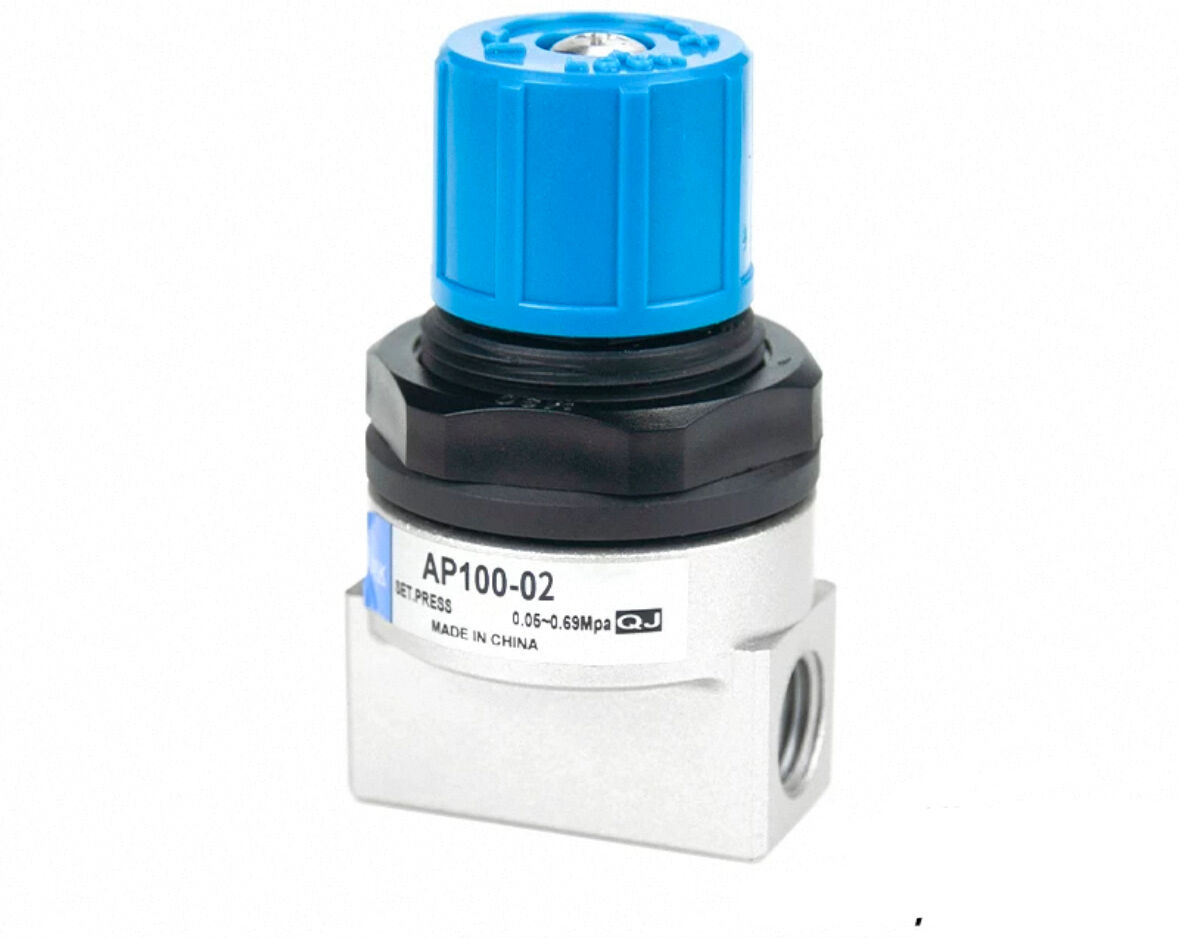
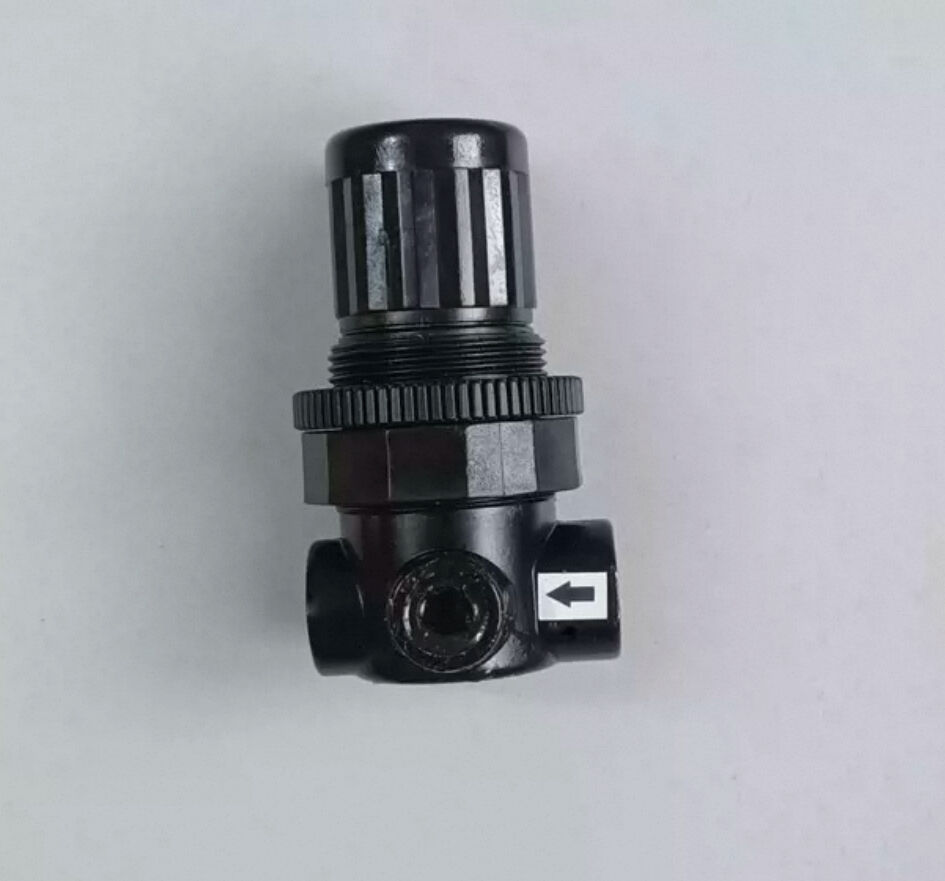
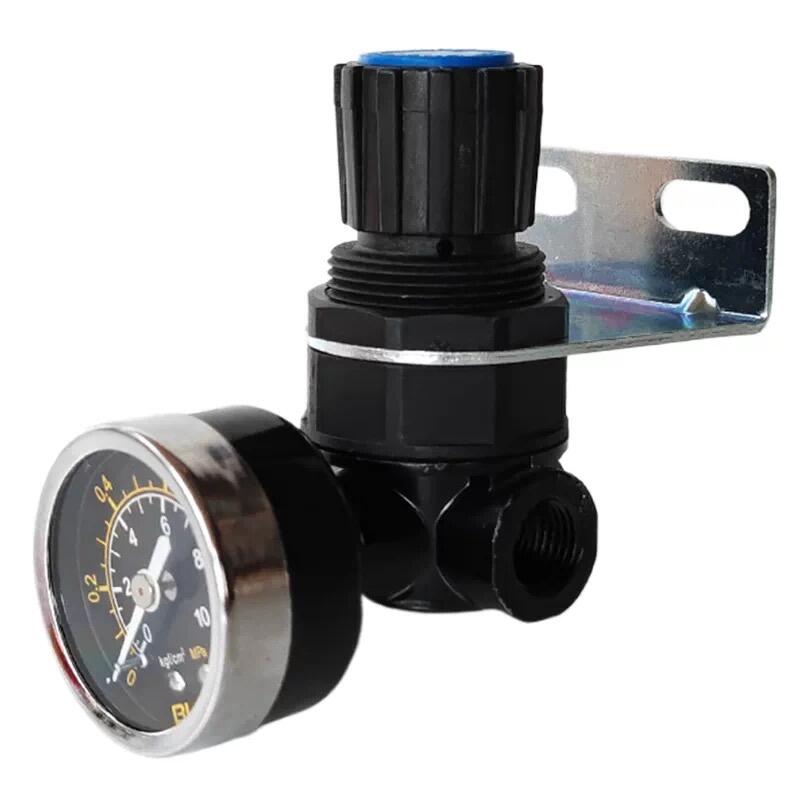
A pneumatic relief valve represents a critical safety component designed to protect pneumatic systems from dangerous overpressure conditions. This specialized valve automatically releases compressed air when system pressure exceeds predetermined safety limits, preventing catastrophic equipment failure and ensuring operational safety. The pneumatic relief valve operates through a spring-loaded mechanism that opens when upstream pressure overcomes the spring force, allowing excess pressure to escape through a designated outlet port. Modern pneumatic relief valve designs incorporate precision-engineered components including calibrated springs, sealed diaphragms, and corrosion-resistant materials to ensure reliable performance across diverse operating environments. The valve's primary function centers on maintaining system pressure within safe operating parameters while providing instantaneous response to pressure spikes. Advanced pneumatic relief valve models feature adjustable pressure settings, allowing operators to customize relief points based on specific application requirements. These valves typically include visual indicators showing operational status and pressure levels, enhancing monitoring capabilities. The technological features of a pneumatic relief valve include rapid response times, typically measured in milliseconds, ensuring immediate pressure release when needed. Many models incorporate fail-safe designs that default to the open position during component failure, maintaining system protection even under adverse conditions. The construction materials often include stainless steel, brass, or specialized alloys chosen for their durability and chemical resistance. Pneumatic relief valve applications span numerous industries including manufacturing automation, automotive assembly lines, food processing equipment, pharmaceutical production systems, and compressed air distribution networks. These valves prove essential in pneumatic tools, air compressors, pressure vessels, and automated machinery where sudden pressure increases could damage equipment or endanger personnel. The versatility of pneumatic relief valve technology makes it suitable for both small-scale applications and large industrial installations.

New Product Recommendations

The pneumatic relief valve delivers exceptional protection for your compressed air systems while offering numerous practical benefits that directly impact your operational efficiency and safety standards. These valves provide automatic pressure regulation without requiring manual intervention, eliminating the need for constant monitoring and reducing labor costs associated with system oversight. The immediate response capability of a pneumatic relief valve prevents costly equipment damage by releasing excess pressure within milliseconds of detection, protecting expensive compressors, pneumatic tools, and automated machinery from potentially catastrophic failures. Installation proves remarkably straightforward, as most pneumatic relief valve units connect directly to existing system ports using standard threading, minimizing downtime during setup or replacement procedures. The maintenance requirements remain minimal, with most valves operating reliably for years without service intervention, reducing ongoing operational expenses and eliminating frequent replacement costs. Energy efficiency represents another significant advantage, as the pneumatic relief valve only activates when necessary, preventing continuous air loss that would otherwise increase compressor workload and energy consumption. The adjustability feature allows precise pressure calibration matching your specific application needs, ensuring optimal performance while maintaining safety margins. Unlike electronic alternatives, pneumatic relief valve operation requires no electrical power, making these devices ideal for hazardous environments where electrical components pose safety risks. The mechanical simplicity ensures consistent performance regardless of environmental conditions including temperature fluctuations, humidity changes, or exposure to dust and contaminants. Cost-effectiveness becomes apparent through reduced insurance premiums, as many providers offer discounts for facilities equipped with proper pressure relief systems. The pneumatic relief valve also provides audible indication when activated, alerting operators to potential system issues requiring attention. Durability stands out as a key advantage, with quality valves withstanding millions of cycles while maintaining accuracy and reliability. The compact design allows installation in space-constrained locations where larger safety devices cannot fit. Compliance with industry safety standards becomes effortless, as pneumatic relief valve installation often satisfies regulatory requirements for pressure system protection, helping you avoid potential fines and ensuring workplace safety certification.

Tips And Tricks

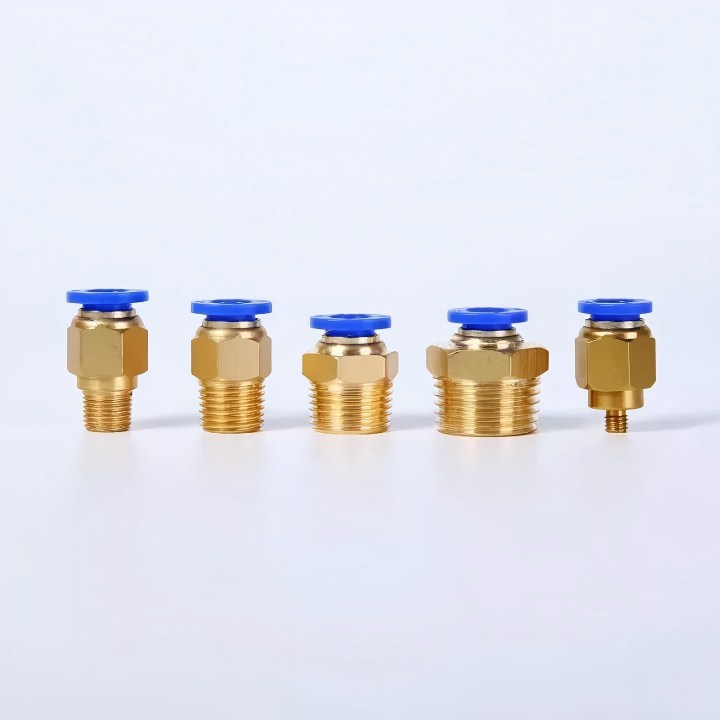
Pneumatic fittings used in water

25

Feb

Pneumatic fittings used in water

View More
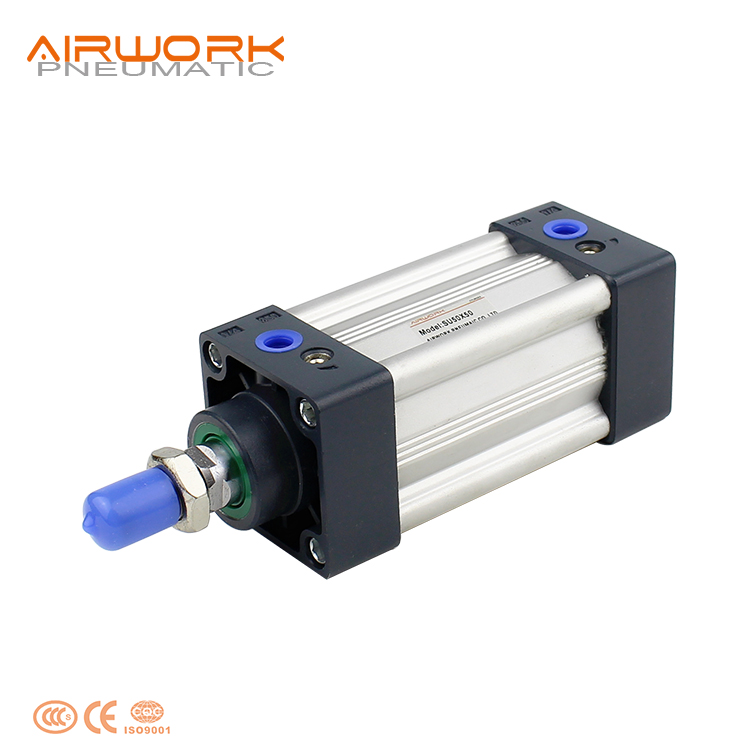
Basic knowledge of pneumatic air cylinders

25

Feb

Basic knowledge of pneumatic air cylinders

View More
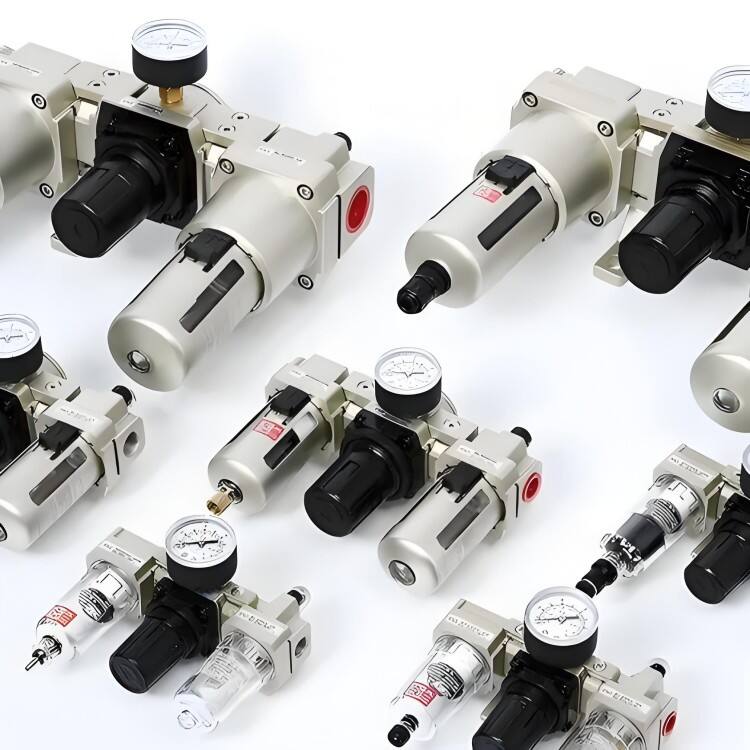
Air Source Treatment Unit:The

25

Feb

Air Source Treatment Unit:The "Guardians" and Core Components of Pneumatic Systems

View More

Get a Free Quote

Our representative will contact you soon.
Email
Name
Company Name
Message
0/1000

pneumatic relief valve

Instantaneous Pressure Protection with Fail-Safe Reliability

Instantaneous Pressure Protection with Fail-Safe Reliability

The pneumatic relief valve delivers unmatched safety through its instantaneous pressure protection mechanism, designed to respond within milliseconds when system pressure exceeds safe operating limits. This rapid response capability stems from the valve's sophisticated spring-loaded design, where a precision-calibrated spring maintains the valve in a closed position under normal operating conditions. When pressure rises beyond the predetermined threshold, the force against the valve seat overcomes the spring tension, immediately opening the relief port and allowing excess pressure to escape safely. This mechanical operation requires no external power source or electronic controls, ensuring the pneumatic relief valve functions reliably even during power outages or electrical system failures. The fail-safe design philosophy embedded in quality pneumatic relief valve construction means that component wear or damage typically results in the valve defaulting to an open position, maintaining system protection even when the valve itself requires service. The reliability factor becomes crucial in mission-critical applications where system failure could result in production shutdowns, safety hazards, or expensive equipment damage. Advanced pneumatic relief valve models incorporate multiple redundancy features including backup sealing mechanisms and corrosion-resistant materials that maintain effectiveness across extended operating periods. The precision engineering ensures consistent performance across varying environmental conditions, from extreme temperatures to high-humidity environments common in industrial settings. Visual inspection capabilities allow maintenance teams to verify valve condition without system shutdown, as many models feature external indicators showing spring compression and valve position. The instantaneous protection extends beyond simple overpressure scenarios, as the pneumatic relief valve also responds to rapid pressure changes that could damage sensitive downstream components. This comprehensive protection makes the valve an essential safety component for any compressed air system, providing peace of mind that your equipment and personnel remain protected around the clock without requiring constant supervision or monitoring.
Adjustable Precision Settings for Customized Performance

Adjustable Precision Settings for Customized Performance

The adjustable precision settings feature of modern pneumatic relief valve technology empowers users to customize protection levels precisely matching their specific operational requirements, delivering optimal safety without compromising system efficiency. This adjustability stems from sophisticated spring tension mechanisms that allow operators to modify the pressure threshold at which the valve activates, typically through external adjustment screws or calibrated dials marked with clear pressure indicators. The precision aspect ensures that once set, the pneumatic relief valve maintains its activation point within tight tolerances, often achieving accuracy levels of plus or minus two percent of the set pressure. This level of precision becomes particularly important in applications where operating pressures approach safety limits, requiring exact control to prevent premature activation while maintaining adequate protection margins. The customization capability extends to various pressure ranges, with pneumatic relief valve models available for low-pressure applications starting at just a few PSI up to high-pressure industrial systems operating at several hundred PSI. The adjustment mechanism typically incorporates locking features that prevent inadvertent changes to settings, ensuring that once properly calibrated, the valve maintains its configuration despite vibration or temperature cycling common in industrial environments. Professional-grade pneumatic relief valve designs often include calibration certificates documenting exact performance characteristics, enabling precise system integration and compliance documentation. The ability to fine-tune pressure settings allows optimization of compressed air usage, as operators can set relief pressures just above normal operating levels, minimizing energy waste from premature activation while maintaining essential safety protection. Advanced models feature multiple adjustment ranges accessible through different mechanisms, allowing coarse adjustment for initial setup and fine adjustment for precise calibration. The precision settings capability also facilitates system troubleshooting, as operators can temporarily adjust relief pressure to isolate pressure-related issues without modifying permanent system components. Regular calibration verification becomes straightforward through the accessible adjustment mechanisms, enabling predictive maintenance schedules that ensure continued accuracy over the valve's operational lifetime.
Universal Compatibility and Easy Integration Solutions

Universal Compatibility and Easy Integration Solutions

The universal compatibility and easy integration capabilities of pneumatic relief valve systems make them ideal solutions for retrofitting existing compressed air installations or incorporating into new system designs without extensive modifications or specialized expertise. This compatibility stems from standardized connection interfaces that align with common pneumatic system components, including NPT threading, quick-connect fittings, and flanged connections that match industry-standard specifications across manufacturers and applications. The pneumatic relief valve design philosophy emphasizes plug-and-play functionality, allowing installation teams to complete valve integration using basic tools and standard procedures without requiring specialized training or certification. Port configurations accommodate both inline and branch mounting options, providing flexibility to install the valve at optimal locations within existing piping networks without major system reconfiguration. The compact form factor of most pneumatic relief valve units enables installation in space-constrained environments where larger safety devices cannot fit, including tight machinery compartments, mobile equipment applications, and densely packed industrial control panels. Material compatibility extends across diverse media types, with valve construction materials selected to resist corrosion from compressed air contaminants, moisture, and industrial chemicals commonly present in pneumatic systems. The universal design approach means a single pneumatic relief valve model can often serve multiple applications within a facility, simplifying inventory management and reducing spare parts requirements. Integration documentation typically includes detailed specifications for pressure ratings, flow capacities, and environmental limitations, enabling proper valve selection without extensive testing or trial installations. The mechanical simplicity eliminates compatibility concerns with electronic control systems, as the pneumatic relief valve operates independently without requiring signal connections or power supplies that might conflict with existing automation equipment. Installation flexibility extends to orientation options, as quality valves function properly in various mounting positions including vertical, horizontal, and angled installations common in complex piping arrangements. The ease of integration reduces implementation costs significantly compared to alternative safety systems requiring extensive engineering analysis, custom fabrication, or system downtime for installation, making the pneumatic relief valve an economical choice for immediate safety improvements across diverse industrial applications.

Get a Free Quote

Our representative will contact you soon.
Email
Name
Company Name
Message
0/1000