Praecepta Praecisionis Regulabilia ad Performantiam Adaptatam
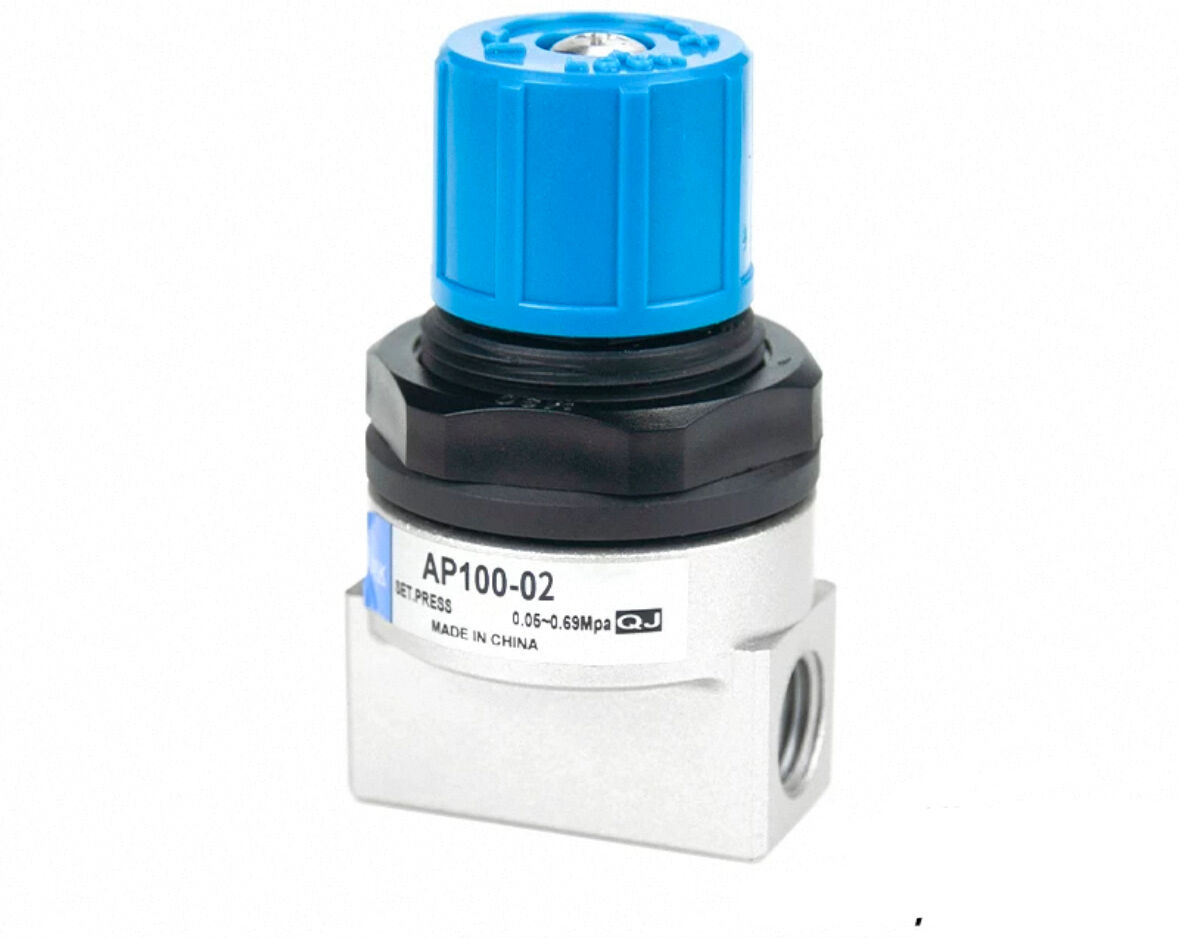
Caracteristica praecisionis regolabilis technologiae modernae valvulae pneumatiscae depraehensionis utentibus facultatem praebet protectionis gradus ad specifica requisita operationum suarum exacte accommodandi, optimaque tutela sine systematis efficacia detrimento praebenda. Haec regolabilitas ex subtilibus mechanismis tensionis moliens oritur, quae operatoribus permittunt limitem pressionis, quo valvula activatur, mutare, saepius per externos regulatores vel discos calibratos cum indicibus pressionis perspicuis notatos. Aspectus praecisionis certum facit ut, semel constituta, valvula pneumatica depraehensionis suum punctum activationis intra angustas tolerantias servet, saepe accuratiam attingens plus minus duorum procentorum pressionis constitutae. Hoc praecisionis gradus maxime important est in applicationibus, ubi pressiones operationales limites tutelae appropinquant, quae exactum imperant imperium ut activationes praematurae prohibeantur, dum tamen sufficientes margines protectionis servantur. Facultas accommodationis ad varios ambitus pressionis extenditur, cum modellis valvularum pneumatarum depraehensionis pro applicationibus pressionis humilis, quae a paucis PSI incipiunt, usque ad systemata industrialia altae pressionis, quae ad plures centenos PSI operantur, disponibilibus. Mechanismus regulandi saepius proprietates claudendi includit, quae mutationes fortuitas in constitutionibus prohibent, ita ut, semel recte calibrata, valvula suam constitutionem servet, etiamsi vibrationibus aut cyclis temperaturarum, quae in ambientibus industrialibus communia sunt, subiecta sit. Designa pneumaticarum valvularum depraehensionis professionales saepius certificata calibrandi includunt, quae exactas proprietates operationis documentant, ut integratio systematis praecisa et documentatio conformitatis efficiatur. Facultas subtiliter pressionis constitutiones regulandi usum aeris compressi optimizat, quoniam operatoribus licet pressiones depraehensionis statuere paulo supra normales niveles operationis, ita ut consumptio energiae ex activationibus praematuris minuatur, dum tamen essentialis tutela servetur. Modelli provecti plurimos ambitus regulandi habent, qui per diversos mechanismos adhiberi possunt, ut prima constitutio per grossam regulotionem fiant et calibratio exacta per subtilem regulotionem perficiatur. Facultas praecisionis constitutionum etiam facilitat investigationem systematis, quoniam operatoribus licet temporarie pressionem depraehensionis mutare ut quaestiones pressionis isolentur, absque modificatione componentium permanentium systematis. Verificatio regularis calibrations per accessibiles mechanismos regulandi facile fit, ita ut programmmata manutenctionis praedictivae instituantur, quae accuratiam continuam per totam vitam operationalem valvulae confirmant.

 EN
EN