 EN
EN

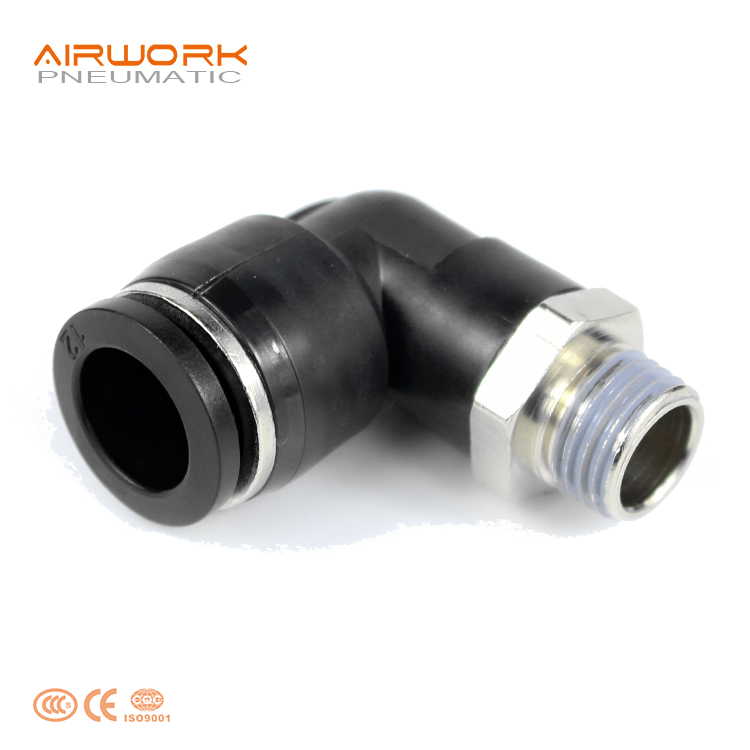
Pneumatic fittings are essential components in compressed air systems, serving as connection points that allow air to flow safely and efficiently between equipment and machinery. These specialized connectors form the backbone of pneumatic systems across manufacturing, automation, and industrial operations. Understanding what pneumatic fittings are and how they integrate into equipment is crucial for anyone working with compressed air technology or managing pneumatic-driven machinery.
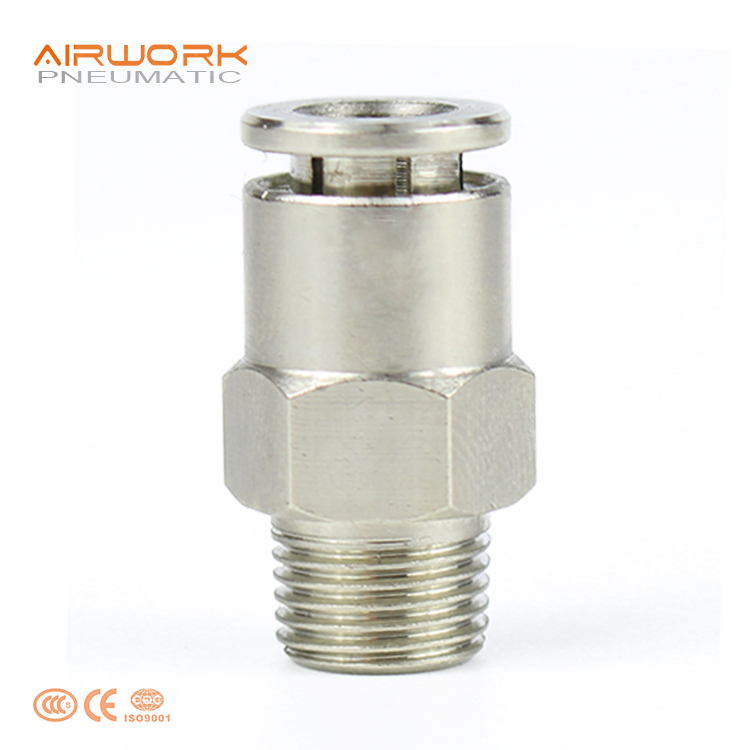
Pneumatic fittings function by creating leak-free connections between air hoses, cylinders, valves, and other pneumatic components. They enable controlled air distribution throughout industrial systems, ensuring that compressed air reaches every part of the equipment that requires it. Proper pneumatic fittings selection directly impacts system performance, energy efficiency, and operational safety.
Understanding Pneumatic Fittings Fundamentals
What Define Pneumatic Fittings
Pneumatic fittings are mechanical connectors designed specifically to join pneumatic hoses, tubes, and components together while maintaining a sealed pathway for compressed air. These pneumatic fittings come in various configurations, sizes, and materials to accommodate different pressure ratings and application requirements. The primary function of pneumatic fittings is to create secure, airtight connections that prevent compressed air leakage and ensure optimal system performance.
Pneumatic fittings typically feature either push-to-connect designs or threaded connections, allowing technicians to assemble and disassemble systems quickly and safely. The design of pneumatic fittings ensures that connection points remain stable under pressure fluctuations and environmental stress. High-quality pneumatic fittings reduce maintenance downtime and prevent costly air leaks that compromise energy efficiency.
Core Components of Pneumatic Fittings
Pneumatic fittings consist of several key components working together to achieve reliable connections. The body serves as the main housing, typically made from brass, stainless steel, or aluminum depending on application demands. Pneumatic fittings incorporate internal sealing mechanisms, usually O-rings or elastomer seals, that prevent pressurized air from escaping at connection points. The threading or locking mechanism on pneumatic fittings ensures they remain firmly attached even under vibration and continuous operation.
The internal passageways within pneumatic fittings are precisely engineered to minimize turbulence and pressure drops. These pneumatic fittings maintain consistent air flow rates across different connection angles and configurations. Material selection for pneumatic fittings balances durability, corrosion resistance, and cost-effectiveness depending on the specific industrial environment.
How Pneumatic Fittings Integrate Into Equipment Systems
Connection Architecture in Pneumatic Systems
Pneumatic fittings serve as critical junction points within compressed air distribution networks that connect air compressors to end-use equipment and machinery. In a typical pneumatic system, pneumatic fittings link the main air supply line to branch circuits that direct compressed air to pneumatic cylinders, motors, and control valves. This hierarchical arrangement of pneumatic fittings allows operators to direct air flow to specific components while maintaining system-wide pressure stability.
The placement and configuration of pneumatic fittings directly influence how efficiently compressed air reaches working components. Each pneumatic fittings connection point represents a potential point of efficiency loss if not properly designed or maintained. Industrial facilities often employ multiple pneumatic fittings of different sizes and configurations within a single system to optimize air distribution and component compatibility.
Application Scenarios for Pneumatic Fittings
Pneumatic fittings enable widespread use across manufacturing environments where pneumatic power drives assembly lines, packaging equipment, and automation systems. These pneumatic fittings connect compressed air to pneumatic impact wrenches, drills, and sanders used in automotive and construction industries. Robotic systems and CNC machinery rely on precisely configured pneumatic fittings to control multiple pneumatic actuators simultaneously.
Medical device manufacturers and laboratory equipment builders depend on specialized pneumatic fittings that meet strict cleanliness and biocompatibility standards. Food and beverage processing facilities utilize pneumatic fittings designed to resist moisture and maintain sanitary conditions. Mining and offshore operations require heavy-duty pneumatic fittings that withstand extreme pressure, temperature fluctuations, and corrosive environments.
Performance Factors and Selection Considerations
Pressure Ratings and Material Selection
Pneumatic fittings must match the operating pressure of the system to ensure safety and reliability over extended use. Different pneumatic fittings materials offer varying pressure tolerances, with brass pneumatic fittings serving light to moderate applications and stainless steel pneumatic fittings supporting higher-pressure industrial demands. Temperature resistance varies significantly across pneumatic fittings types, making material selection critical for environments experiencing thermal extremes.
Choosing appropriate pneumatic fittings for specific pressure ranges prevents system failures and potential safety hazards. Undersized pneumatic fittings create bottlenecks that reduce flow rates and increase energy consumption across the entire compressed air system. Premium pneumatic fittings manufactured to tighter tolerances provide superior performance stability and longer operational lifespan compared to economy alternatives.
Compatibility and System Integration
Pneumatic fittings compatibility depends on thread types, port sizes, and connection standards established by industry specifications. Most industrial pneumatic fittings follow ISO or NPT threading standards, ensuring interoperability across equipment from different manufacturers. However, specialized applications may require custom pneumatic fittings designed to unique specifications or legacy system requirements.
Proper installation of pneumatic fittings requires understanding torque specifications and thread seal techniques to prevent leaks and ensure longevity. Mismatched pneumatic fittings create air leaks that waste compressed air and increase operational costs substantially. Facilities managing multiple pneumatic systems benefit from standardizing on consistent pneumatic fittings specifications to simplify maintenance and inventory management.
FAQ
What pressure ratings should pneumatic fittings have?
Pneumatic fittings pressure ratings must exceed your system's maximum operating pressure by a safety margin, typically around 20 percent. Standard industrial pneumatic fittings support 10 bar to 16 bar ranges, though specialized pneumatic fittings can handle 250 bar or higher for specialized applications. Always consult equipment specifications and the system's pressure gauge to select pneumatic fittings with appropriate ratings for your particular application.
How do I prevent leaks in pneumatic fittings connections?
Pneumatic fittings leaks often result from improper installation, overtightening, or using damaged seals within the connections. Ensure pneumatic fittings are hand-tightened before using wrenches to achieve proper seal without stripping threads. Replace worn seals in pneumatic fittings regularly, and apply thread seal tape or paste when working with threaded pneumatic fittings to create additional leak prevention layers.
Can pneumatic fittings be used with different hose sizes?
Pneumatic fittings come in multiple port sizes designed to match specific hose diameters, and mixing incompatible pneumatic fittings with incorrect hose sizes causes air leaks and system inefficiency. Adapters and reducers exist to connect different pneumatic fittings sizes, though maintaining uniform pneumatic fittings sizes throughout your system reduces connection points and potential failure modes. Always verify that pneumatic fittings match your hose specifications before assembly.