cylindrus pneumaticus biiugis
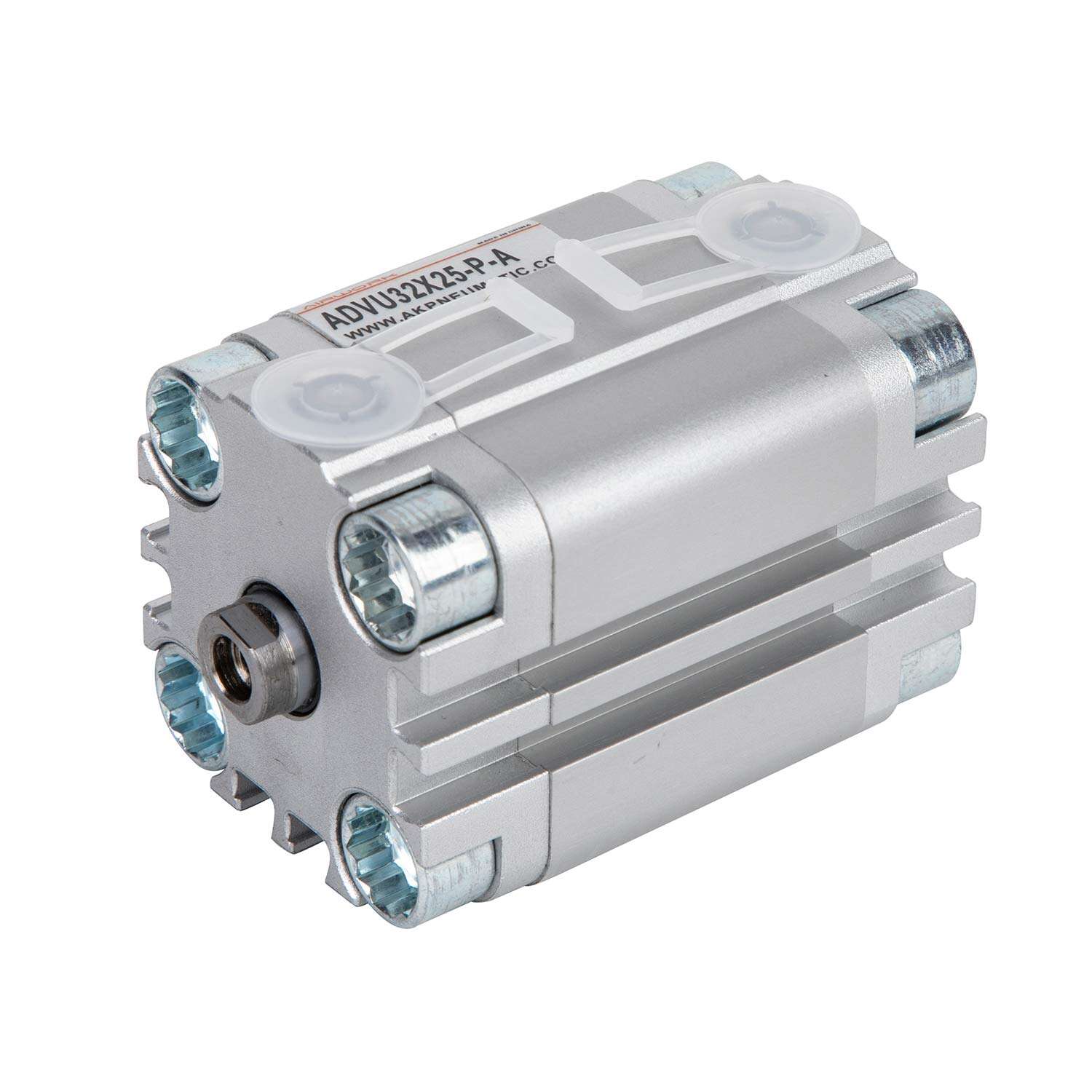
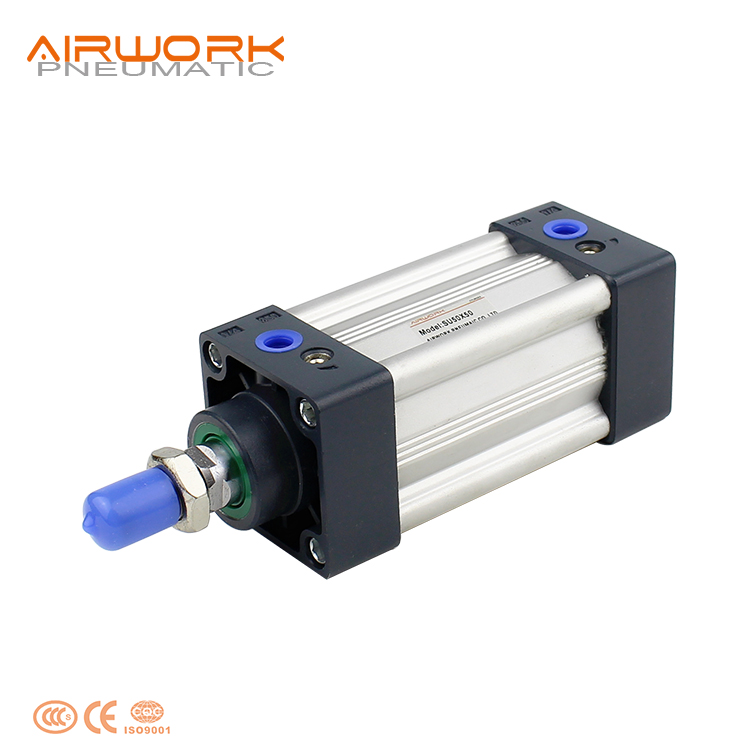
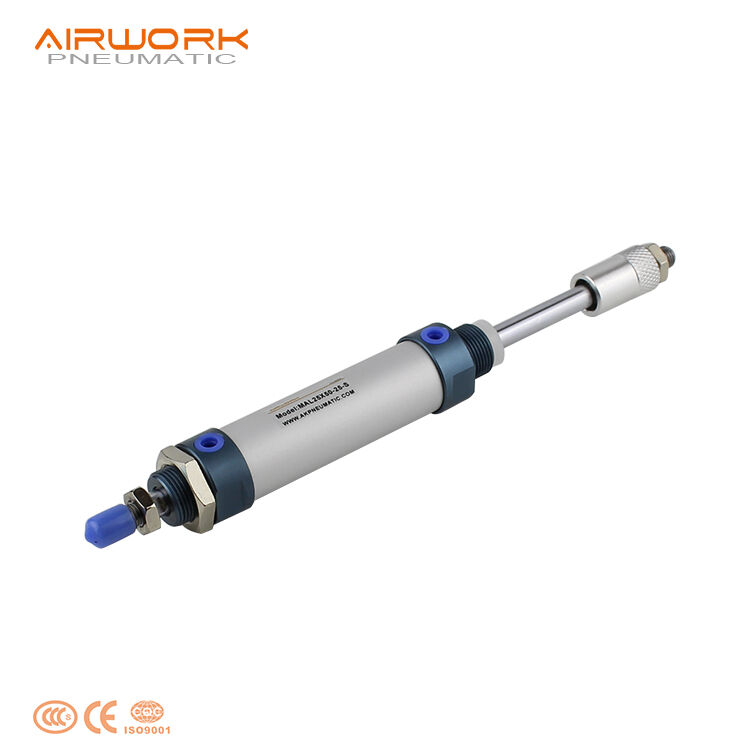
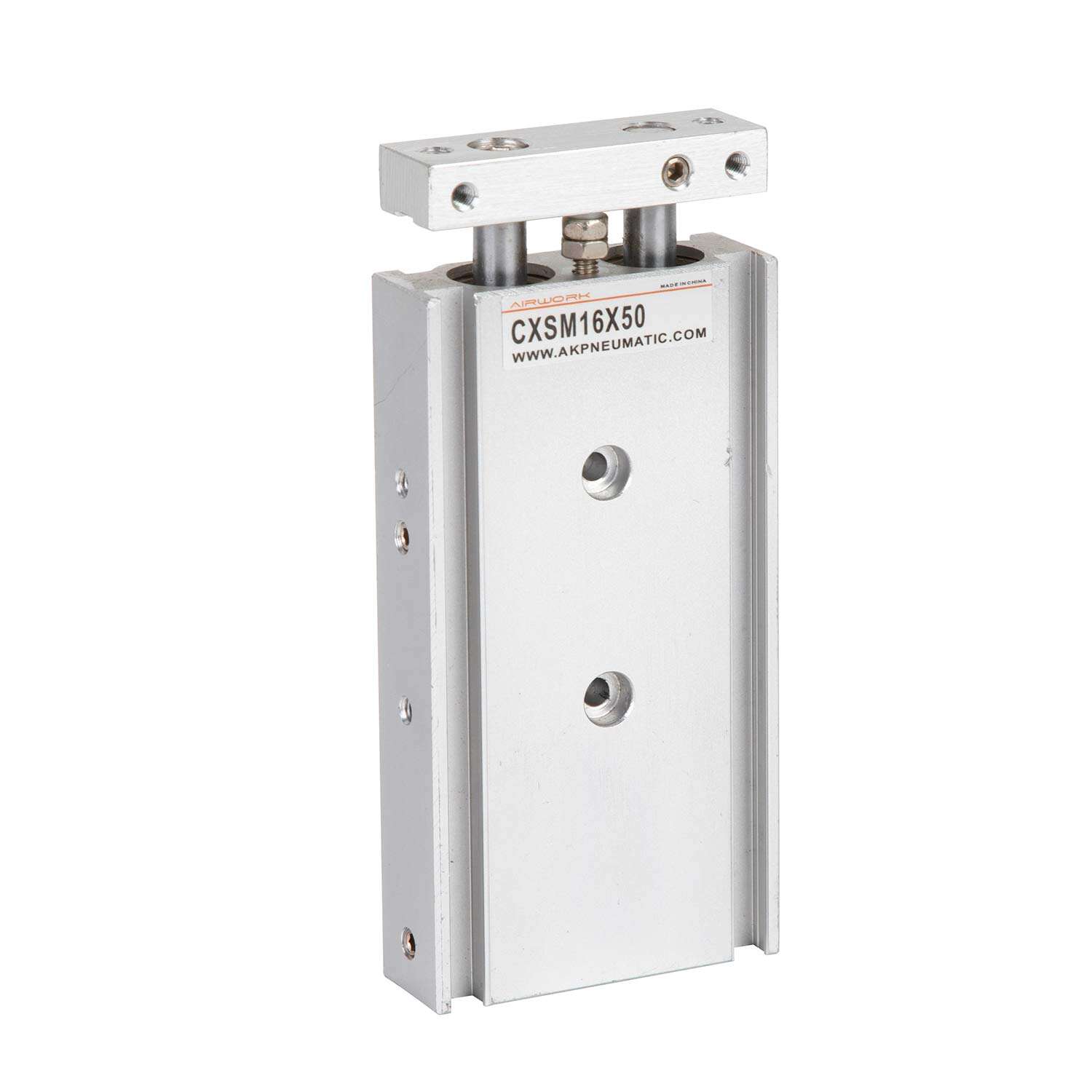
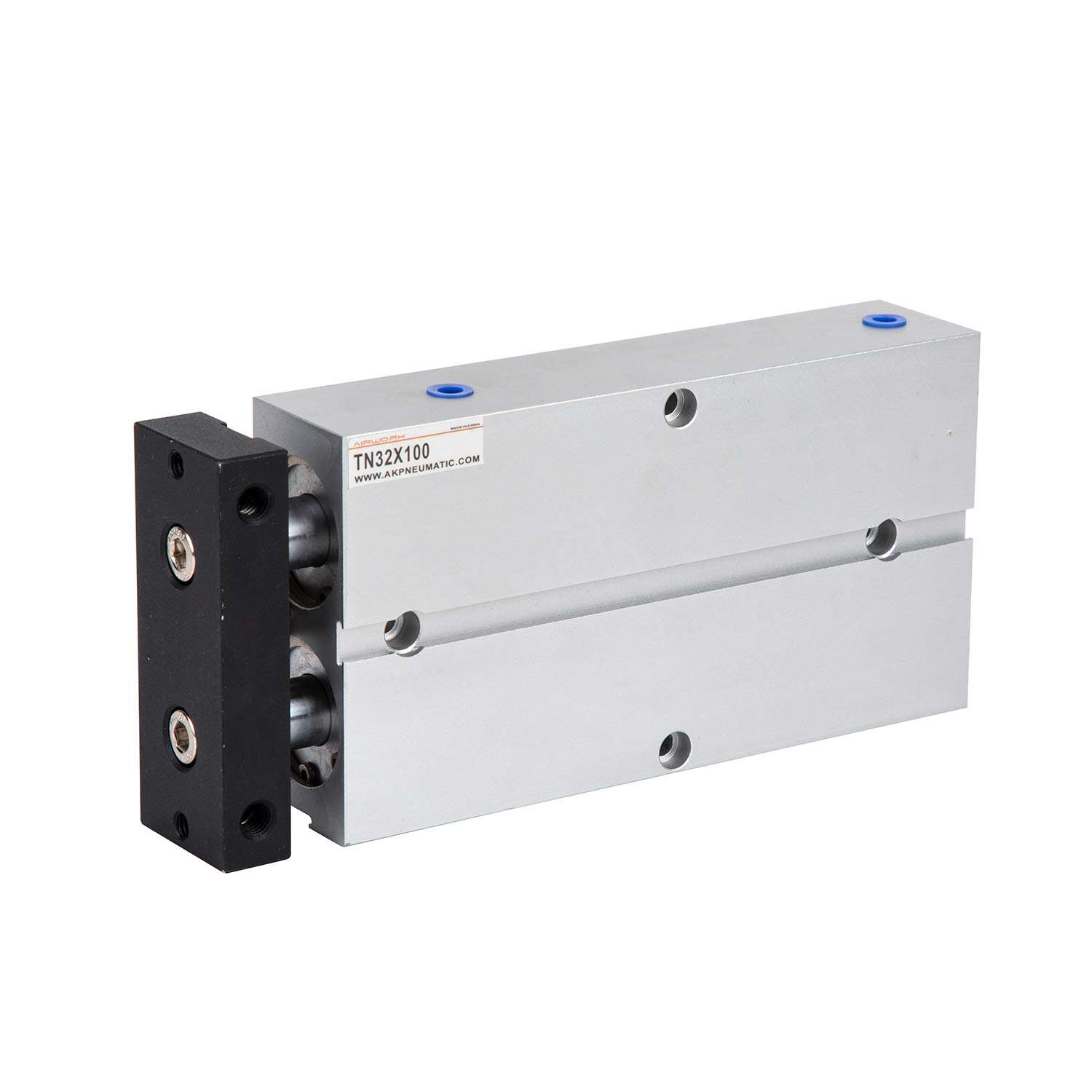
Cilindrus pneumaticus bicornis est designatio actuatoris pneumatici praecellentis, qui duas virgas pistonis habet, quae ex utroque extremo corporis cilindri protruduntur. Haec dispositio eum a cilindris unicorne distinguat, quoniam efficit symmetriam in vi producta et facultates operationis emendatas. Cilindrus pneumaticus bicornis operatur per pressionem aeris compressi ad utramque partem pistonis interni applicatam, quae motum linearem generat, qui per ambas virgas protrudentes simul transmittitur. Structura fundamentalis constat ex tubo cylindrico, congerie pistonis internae, duabus virgis pistonis, operculis terminalibus cum signis virgarum, et portubus admissus aeris, quae ita sunt positae ut optima perficiantur. Structura technologica comprehendit partes praecise tornatas, quae ex materiis praeclaris fabricatae sunt, inter quas sunt cilindri ex aluminii legatura, virgae ex aere durato, et systemata signorum specialia, quae ad longam vitam operativam designata sunt. Mechanismi amortientes subtiliter inserti in operculis terminalibus decelerationem lenem ad finem cursus praebent, vim ictus minuentes et attritionem minuendo. Configuratio bicornis possibilitates unicas montandi et proprietates distributionis oneris permittit, quae in designis unicorne communibus non inveniuntur. Connexiones portuum aptae sunt ad fistulas pneumaticas normales, ut compatibilitas cum systematibus aeris compressi iam existentibus et valvulis regulandis servetur. Technologia signorum internorum utitur materiis compositis, quae ad operationem frictonis minime habentem fabricatae sunt, dum tamen integritas pressionis per varia temperaturarum intervalla servatur. Designatio pistonis elementa magnetica includit, quae sensum positionis per sensus externos sine contactu directo permittunt. Tolerantiae fabricae exactam alignmentem virgarum et operationem lenem per totum intervallum cursus servare debent. Tractationes superficiales, quae ad superficies virgarum applicatae sunt, resistentiam corrosioni augent et coefficientes frictonis minuunt. Cilindrus pneumaticus bicornis in multis applicationibus invenitur, ut in automatione fabricae, systematibus manutentionis materialium, apparatus imballatorius, lineis assumbli automobilium, et applicationibus positionis praecisae, ubi onera symmetrica et stabilitas emendata ad optimam perficiendam operationem et fiduciam operativam necessariae sunt.

 EN
EN