 EN
EN

Wprowadzenie: Kluczowa rola jakości powietrza w technice pneumatycznej
W świecie automatyki przemysłowej sprężone powietrze jest często nazywane „czwartą użytecznością”. Zasila ono wszystko, od ciężkich ramion robotycznych po delikatne, precyzyjne sortery. Jednak w przeciwieństwie do energii elektrycznej czy wody, sprężone powietrze jest często zanieczyszczone parą wodną, mgłą olejową i cząsteczkami pyłu. Bez odpowiedniego uzdatnienia zanieczyszczenia te działają jak papier ścierny wewnątrz maszyn, prowadząc do przedwczesnych awarii podzespołów, dłuższych przestojów i ogromnych kosztów energii.
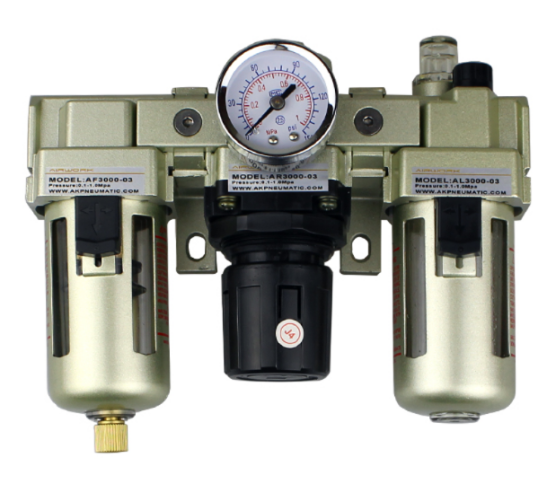
To właśnie miejsce, w którym profesjonalne jednostki do przygotowania powietrza zasilanego z otoczenia (często nazywane jednostkami FRL — filtr, regulator i smarownik) stają się niepozornymi bohaterami wydajnego systemu pneumatycznego. W AIRWORK traktujemy przygotowanie powietrza jako podstawę każdego niezawodnego projektu automatyzacji. W niniejszym kompleksowym przewodniku omawiamy aspekty techniczne jednostek FRL oraz sposób, w jaki maksymalizują one zwrot z inwestycji w systemy pneumatyczne.
1. Filtr (F): pierwsza linia obrony
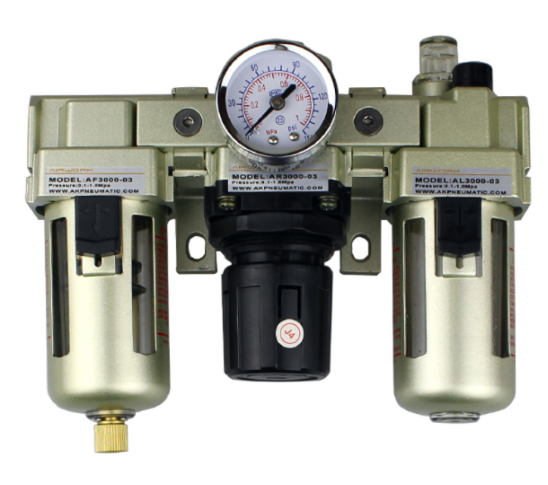
Powietrze sprężone opuszczające sprężarkę jest gorące, wilgotne i zabrudzone. Podczas ochładzania się w przewodach dystrybucyjnych skrapla się woda, która przenosi osad z rur oraz pył atmosferyczny do wnętrza systemu.
Klasyfikacja filtrów według stopnia filtracji (w mikrometrach) i skuteczność filtracji
Wysokiej jakości filtry firmy AIRWORK wykorzystują dwustopniową filtrację. Po pierwsze, przegroda odśrodkowa usuwa ciekłą wodę i duże cząstki. Po drugie, powietrze przechodzi przez porowaty element filtrujący.
- Standardowy (40 μm): odpowiedni dla większości zastosowań przemysłowych o dużym obciążeniu, takich jak narzędzia budowlane lub cylindry o dużym średnicie.
- Dokładność (5 μm): Wymagana dla zaworów elektromagnetycznych i precyzyjnych siłowników w celu zapobiegania zatykaniu się drobnych kanałów wewnętrznych.
- Filtry koalescencyjne (0,01 μm): Wymagane w zastosowaniach wrażliwych na mgiełkę olejową, takich jak malowanie, opakowywanie żywności lub produkcja farmaceutyczna.
Zarządzanie wilgocią: odprowadzanie ręczne vs. automatyczne
Wilgoć jest główną przyczyną uszkodzeń uszczelek w walec pneumatyczny . W środowiskach o wysokiej wilgotności ręczne odprowadzanie wody z miseczek filtrów jest często pomijane. Jednostki FRL firmy AIRWORK są wyposażone w automatyczne odprowadzanie wody, które usuwa gromadzącą się wodę po osiągnięciu określonego poziomu, zapewniając, że żadne komponenty w kierunku przepływu nie będą narażone na obecność wody w postaci ciekłej.
2. Reduktor ciśnienia (R): Precyzyjna kontrola w celu oszczędzania energii
Eksploatacja systemu pneumatycznego przy nadmiernie wysokim ciśnieniu jest powszechną przyczyną marnowania energii. Jeśli Twój cylinder wymaga jedynie 5 bar do przesunięcia ładunku, a sprężarka dostarcza 8 bar, to za każdy cykl tracisz 3 bar energii.
Zrównoważona konstrukcja zaworu
Profesjonalne regulatory firmy AIRWORK wykorzystują projekt „zrównoważonego zaworu”. Zapewnia to stałość ciśnienia wyjściowego nawet w przypadku wahania ciśnienia wejściowego pochodzącego z kompresora. Ta stabilność jest kluczowa w zastosowaniach takich jak systemy napinania lub wagi, gdzie spójność ciśnienia ma bezpośredni wpływ na jakość produktu.
Znaczenie otworów odpowietrzających
Regulatory wysokiej jakości są typu „odpowietrzającego”, co oznacza, że mogą odprowadzać nadmiarowe ciśnienie ze strony wylotowej, jeśli jego wartość przekroczy ustawiony punkt (np. gdy obciążenie działa wstecz na cylinder). Zapobiega to nadciśnieniu w obwodzie i chroni czułe czujniki oraz połączenia.
3. Smarownica (L): zmniejszanie tarcia i wydłużanie żywotności
Choć wiele współczesnych elementów pneumatycznych zaprojektowano do pracy „bez smarowania”, niektóre zastosowania wymagające wysokiej prędkości lub dużej wydajności nadal korzystają z kontrolowanego smarowania.
Proporcjonalna dostawa oleju
Smarniki AIRWORK wykorzystują technologię 'mgiełkową', która dostarcza oleju w proporcji do przepływu powietrza. Dzięki temu system nigdy nie jest nadmiernie smarowany (co może powodować przyklejanie się zaworów) ani niedosmarowywany (co prowadzi do zużycia uszczelek). W przypadku systemów z długimi odcinkami rurociągów zalecamy smarniki typu Micro-mist, które wytwarzają cząsteczki oleju na tyle małe (mniej niż 2 μm), aby pozostawały zawieszone w strumieniu powietrza na dużych odległościach.
4. Integracja techniczna: modułowe systemy FRL
Współczesne trendy zakupowe B2B preferują modularność. Systemy FRL serii AC i BC firmy AIRWORK umożliwiają montaż w stylu 'blokowym'. Oznacza to, że zakupujący może łatwo dodać zawór łagodnego startu (zapobiegający nagłym ruchom maszyny po uruchomieniu) lub przełącznik ciśnienia (do monitorowania stanu systemu), nie zmieniając całej instalacji pneumatycznej maszyny.
5. Przykłady zastosowań branżowych oraz kryteria wyboru w transakcjach B2B
Przykład zastosowania: montaż elektroniki w pomieszczeniach czystych
W produkcji elektronicznej mgiełka olejowa i wilgoć mogą uszkodzić delikatne płytki obwodów drukowanych. Rozwiązaniem jest jednostka AIRWORK typu „Triple Unit”, składająca się z filtra o stopniu filtracji 5 μm, po którym następuje filtr koalescencyjny o stopniu filtracji 0,01 μm oraz precyzyjny regulator ciśnienia. Dzięki temu uzyskuje się jakość powietrza klasy „do celów pomiarowych”, zgodną ze standardem ISO 8573-1.
Przypadek użycia: ciężkie obróbki drewna
W tartakach powietrze jest nasycone drobną pyłką, a maszyny pracują w warunkach dużych wahań temperatury. Do obsługi surowego środowiska roboczego oraz wysokich przepływów wymaganych przez duże cylindry zaciskowe niezbędny jest odporny na obciążenia zestaw FRL z metalową osłoną zbiorniczka i automatycznym odprowadzaniem kondensatu.
Kryteria doboru dla zakupów B2B – przeznaczone dla profesjonalnych nabywców
1. Przepływ (SCFM/LPM): Nie dobieraj zestawu FRL wyłącznie na podstawie średnicy rurociągu. Sprawdź „krzywą przepływu”, aby upewnić się, że urządzenie nie spowoduje istotnego spadku ciśnienia w okresie maksymalnego zapotrzebowania.
2. Materiał misy: Użyj poliwęglanu w celu zapewnienia widoczności w standardowych warunkach środowiskowych, ale określ miski metalowe ze szkłami obserwacyjnymi w przypadku środowisk zawierających pary chemiczne lub narażonych na wysokie obciążenia mechaniczne.
3. Średnica portu (G/NPT): Upewnij się, że jest zgodna z obowiązującymi w Twoim regionie standardami gwintów, aby uniknąć konieczności stosowania wielu adapterów.
4. Zakres ciśnień: Standardowe jednostki obsługują ciśnienie do 10 bar, ale w systemach wysokociśnieniowych mogą być wymagane specjalne jednostki o dopuszczalnym ciśnieniu 16 bar lub 20 bar.
Podsumowanie: Zwrot z inwestycji (ROI) w zakresie czystego powietrza
Inwestycja w profesjonalny układ oczyszczania powietrza pobieranego ze środowiska zewnętrznego jest najskuteczniejszym sposobem na obniżenie całkowitych kosztów posiadania (TCO) systemu pneumatycznego. Zapewniając, że Twój „czwarty rodzaj energii” jest czysty, suchy i precyzyjnie regulowany, unikasz kosztownego cyklu nieplanowanych przestojów oraz wymiany komponentów. W firmie AIRWORK oferujemy zarówno niezbędną wiedzę techniczną, jak i wysokiej klasy sprzęt niezbędnym do utrzymania linii produkcyjnych w stanie maksymalnej wydajności. Czyste powietrze to nie tylko wymóg techniczny – stanowi strategiczny zasób współczesnego przemysłu.