Small Air Cylinder Solutions: Precision Pneumatic Actuators for Compact Applications

All Categories

small air cylinder

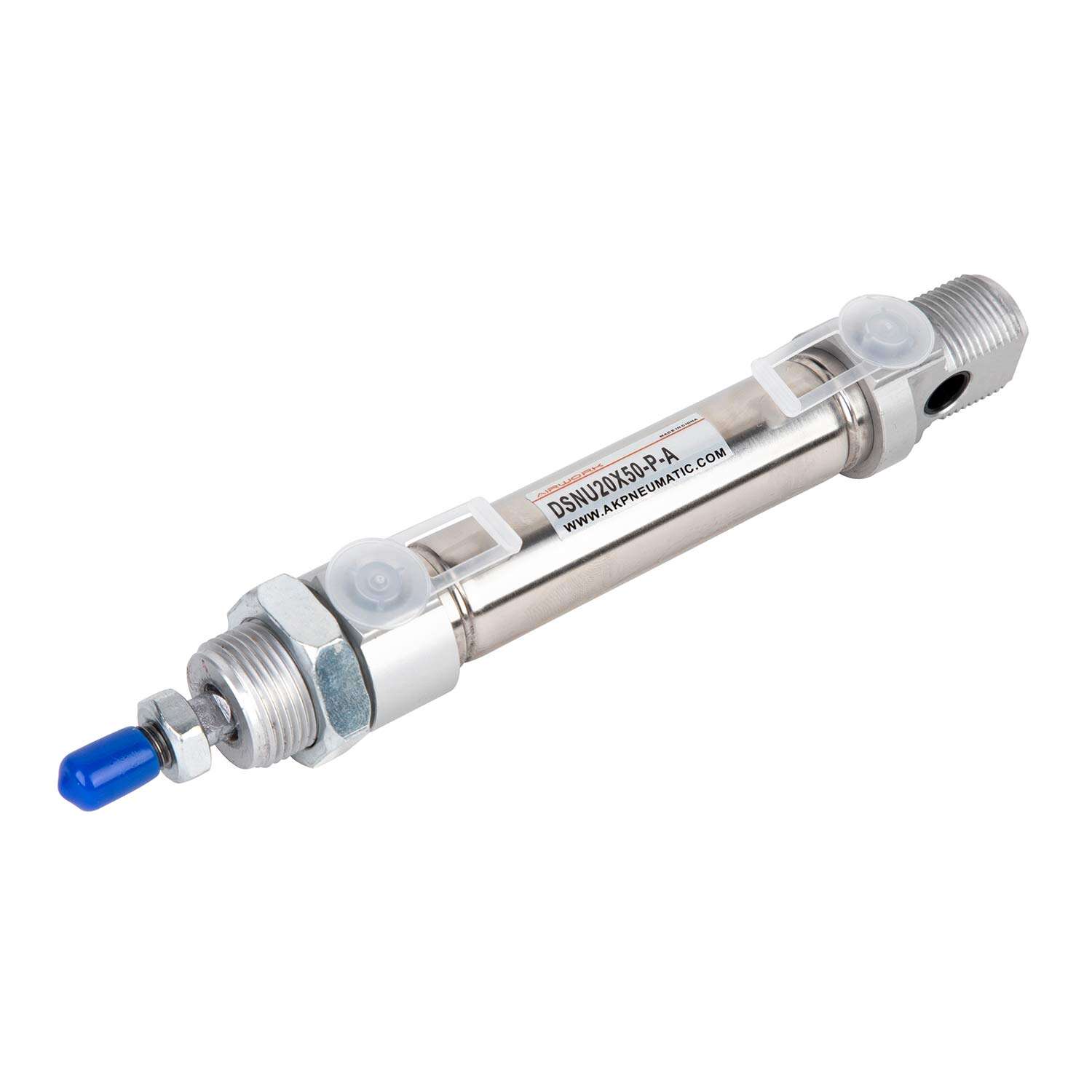
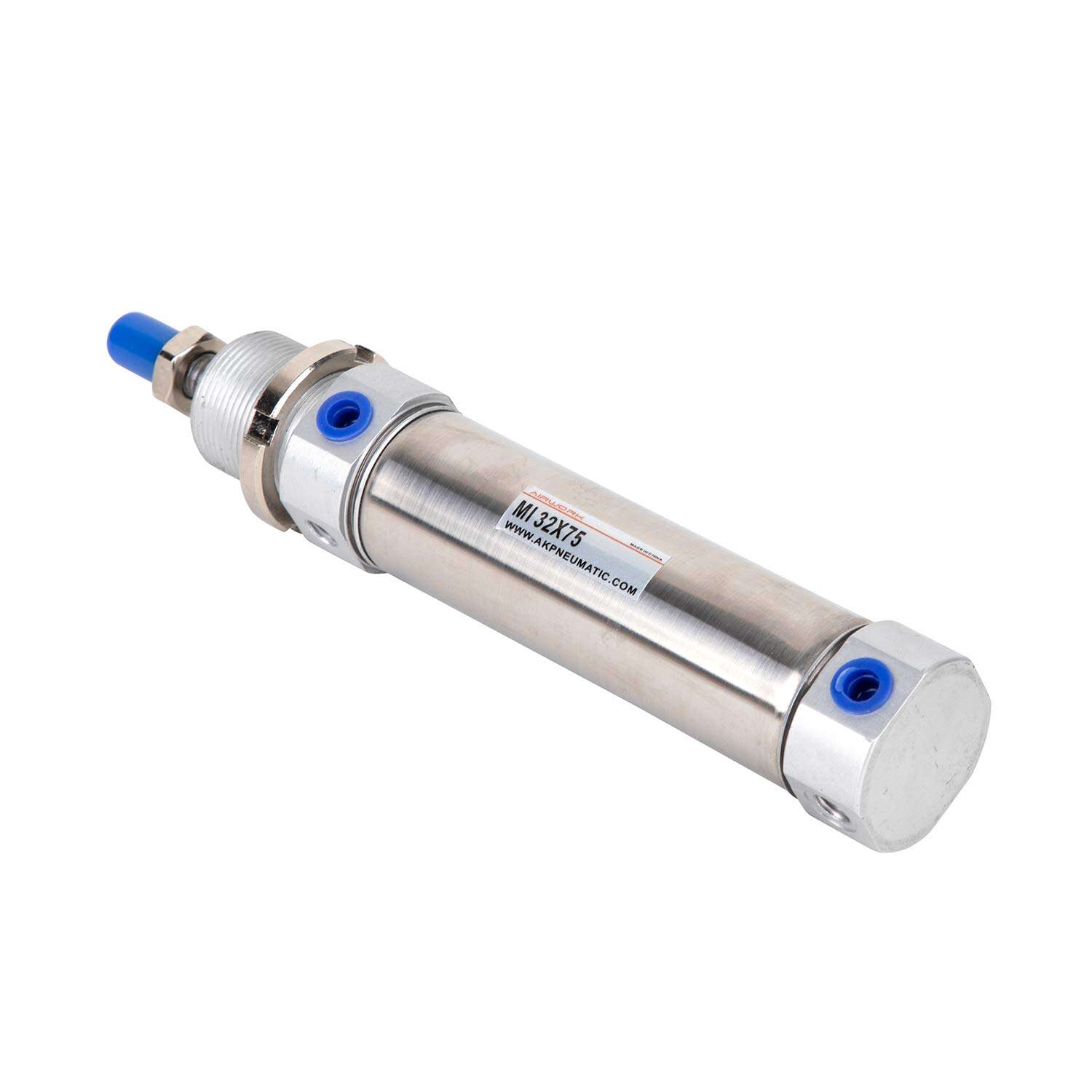
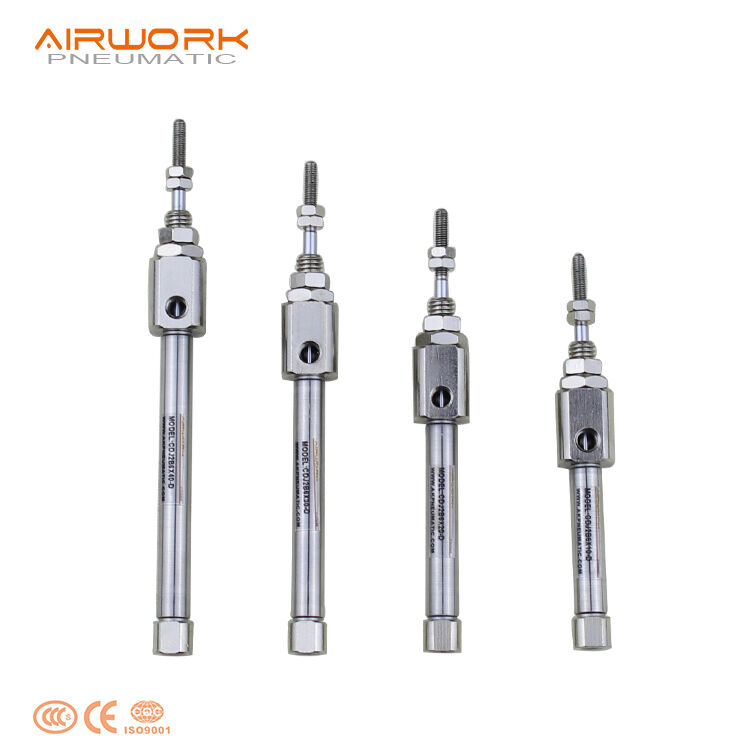
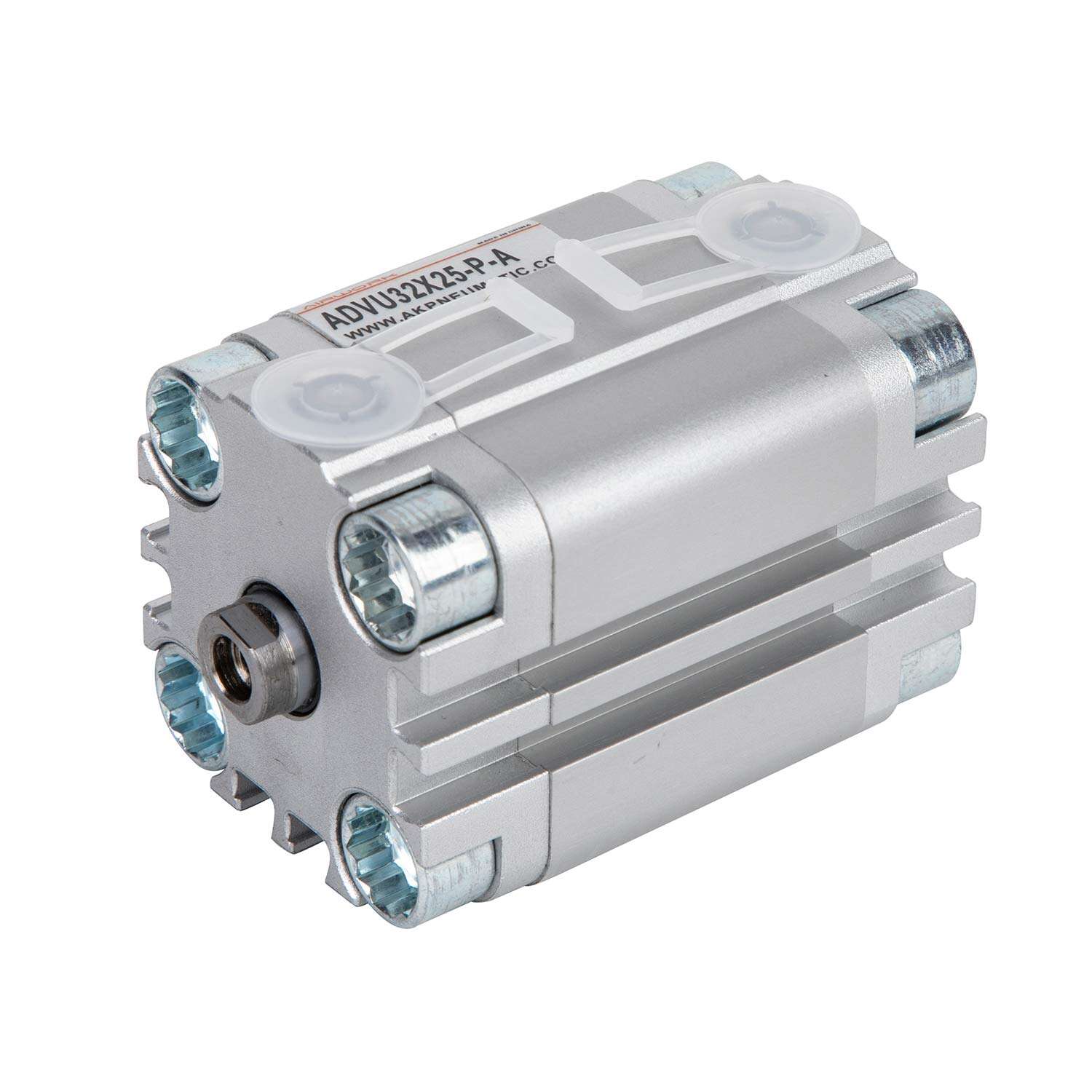
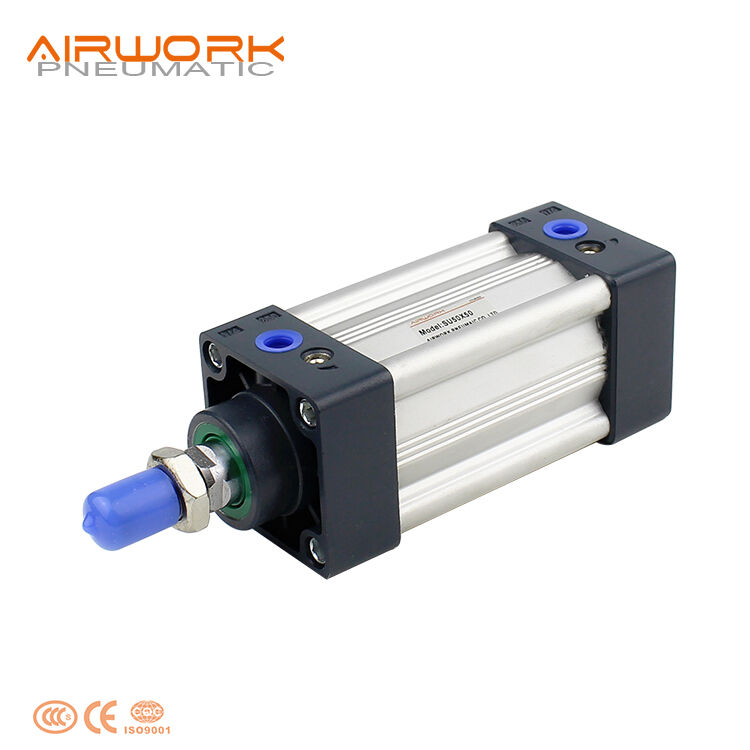
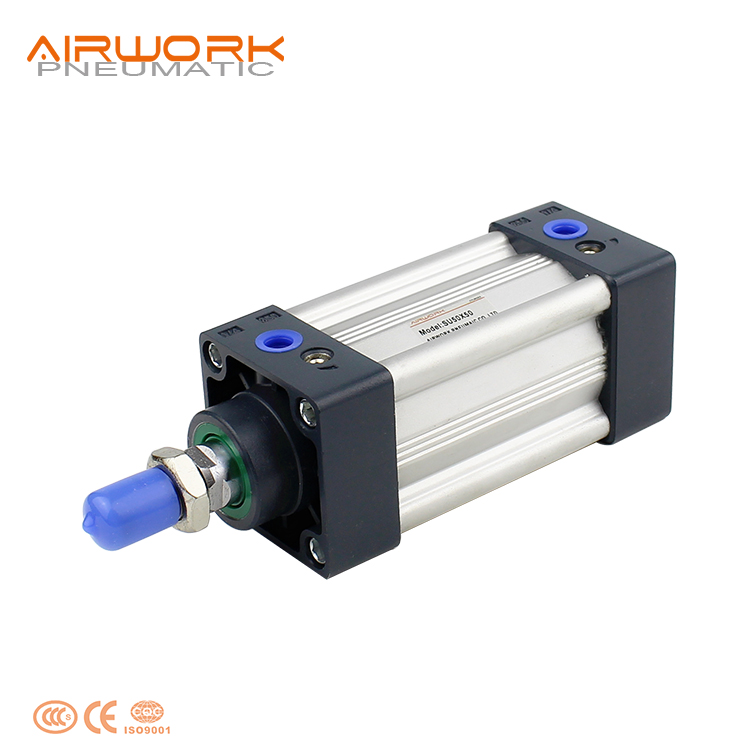
A small air cylinder represents a compact pneumatic actuator designed to convert compressed air energy into linear mechanical motion within confined spaces and precision applications. These miniature powerhouses deliver reliable force generation while maintaining minimal footprint requirements, making them essential components in modern automation systems. The small air cylinder operates through fundamental pneumatic principles, utilizing compressed air to drive a piston within a precisely machined cylinder bore, generating controlled linear movement that can be harnessed for various industrial tasks. The technological architecture of small air cylinders incorporates advanced materials and engineering techniques to maximize performance within compact dimensions. High-grade aluminum alloy bodies provide exceptional strength-to-weight ratios while resisting corrosion and environmental degradation. Precision-machined internal surfaces ensure smooth piston operation and minimize friction losses, while specialized sealing systems maintain optimal pressure retention throughout extended operational cycles. Modern small air cylinders feature enhanced rod coatings that resist wear and extend service life, complemented by adjustable cushioning mechanisms that provide smooth deceleration at stroke endpoints. The versatility of small air cylinders enables deployment across diverse industrial sectors including electronics manufacturing, medical device assembly, packaging machinery, and precision instrumentation. In electronics production, these cylinders facilitate delicate component placement and testing procedures where controlled force application prevents damage to sensitive parts. Medical equipment manufacturers rely on small air cylinders for precise positioning in diagnostic instruments and surgical devices, where reliability and accuracy directly impact patient safety. Packaging operations utilize these compact actuators for product sorting, labeling, and sealing processes that require consistent performance at high speeds. Additionally, small air cylinders serve critical roles in laboratory automation, quality control systems, and micro-assembly operations where space constraints demand compact solutions without compromising functionality.

New Products

Small air cylinders deliver exceptional value through multiple practical benefits that directly address real-world operational challenges faced by manufacturers and system integrators. The primary advantage lies in their remarkable space efficiency, allowing engineers to implement powerful linear actuation in applications where traditional larger cylinders simply cannot fit. This compact design enables equipment manufacturers to create more streamlined machinery with reduced overall footprints, leading to optimized factory floor utilization and improved production line efficiency. The lightweight construction of small air cylinders significantly reduces the structural requirements for mounting systems, decreasing material costs and simplifying installation procedures while maintaining robust performance characteristics. Energy efficiency stands as another compelling advantage, as small air cylinders consume considerably less compressed air compared to larger alternatives while delivering proportionally appropriate force outputs. This reduced air consumption translates directly into lower operational costs through decreased compressor workload and reduced energy bills, making small air cylinders an economically sound choice for cost-conscious operations. The precision capabilities of these compact units exceed expectations, delivering repeatable positioning accuracy that meets demanding quality standards in precision manufacturing environments. Response times are notably faster due to reduced internal air volumes, enabling higher cycle rates and improved productivity in automated systems. Maintenance requirements remain minimal thanks to simplified internal mechanisms and durable construction materials that withstand extended operational periods without degradation. The versatility of small air cylinders allows for easy integration into existing pneumatic systems without requiring specialized infrastructure modifications, reducing implementation costs and installation complexity. Temperature stability ensures consistent performance across varying environmental conditions, while corrosion-resistant materials guarantee longevity even in challenging industrial atmospheres. Cost-effectiveness extends beyond initial purchase prices to encompass total ownership costs, as small air cylinders typically offer extended service intervals and reduced replacement part expenses. The standardized mounting configurations facilitate quick replacement procedures, minimizing production downtime during maintenance activities and ensuring continuous operational availability.

Tips And Tricks

Pneumatic fittings used in water

25

Feb

Pneumatic fittings used in water

View More
Basic knowledge of pneumatic air cylinders

25

Feb

Basic knowledge of pneumatic air cylinders

View More
Air Source Treatment Unit:The

25

Feb

Air Source Treatment Unit:The "Guardians" and Core Components of Pneumatic Systems

View More

Get a Free Quote

Our representative will contact you soon.
Email
Name
Company Name
Message
0/1000

small air cylinder

Precision Engineering for Maximum Reliability

Precision Engineering for Maximum Reliability

The precision engineering incorporated into small air cylinder design represents a cornerstone achievement in modern pneumatic technology, delivering unparalleled reliability through meticulous attention to manufacturing details and quality control processes. Every component within a small air cylinder undergoes rigorous precision machining to ensure optimal fit and function, beginning with cylinder bore honing that achieves surface finishes measured in microinches. This exceptional surface quality eliminates friction points that could cause premature wear or performance degradation, ensuring smooth piston operation throughout millions of operational cycles. The piston rod manufacturing process employs specialized grinding techniques that produce perfectly straight, dimensionally accurate shafts with superior surface hardness characteristics that resist scoring and corrosion damage. Advanced sealing technology represents another critical precision element, utilizing specially formulated elastomeric compounds engineered to maintain consistent sealing performance across temperature variations and pressure fluctuations. These precision-molded seals feature optimized cross-sectional geometries that maximize contact pressure while minimizing friction drag, contributing to both performance longevity and energy efficiency. The internal cushioning systems demonstrate remarkable precision engineering through carefully calibrated flow control mechanisms that provide smooth deceleration regardless of load variations or operating speeds. Quality control procedures verify dimensional accuracy within thousandths of an inch tolerances, ensuring proper fit and function when integrated into customer applications. Material selection reflects precision engineering principles through the use of aerospace-grade aluminum alloys that provide optimal strength characteristics while maintaining dimensional stability under thermal cycling conditions. The precision assembly process employs specialized tooling and measurement equipment to guarantee proper component alignment and clearances, preventing binding or irregular operation that could compromise system reliability. This commitment to precision engineering results in small air cylinders that deliver consistent, predictable performance over extended service lives, reducing maintenance requirements and operational costs while providing the reliability that modern automated systems demand for optimal productivity and quality output.
Versatile Applications Across Multiple Industries

Versatile Applications Across Multiple Industries

The versatility of small air cylinders enables their successful deployment across an remarkably diverse range of industrial applications, demonstrating their adaptability to varying operational requirements and environmental conditions. In electronics manufacturing facilities, small air cylinders provide the precise force control necessary for delicate component insertion operations, where excessive force could damage sensitive circuit boards or electronic components. These applications require exceptional repeatability and gentle touch capabilities that small air cylinders deliver through their inherently smooth operation and adjustable force output characteristics. The medical device industry relies heavily on small air cylinders for critical applications including surgical instrument positioning, diagnostic equipment operation, and pharmaceutical packaging processes where contamination prevention and precision control directly impact patient safety outcomes. Laboratory automation represents another significant application area where small air cylinders enable precise sample handling, automated testing procedures, and analytical instrument operation that demands consistent performance under sterile conditions. Packaging machinery incorporates small air cylinders for product sorting, labeling application, and sealing operations that require high-speed cycling capabilities while maintaining accuracy standards essential for product quality and regulatory compliance. Food processing applications benefit from specially designed small air cylinders featuring food-grade materials and washdown capabilities that meet stringent sanitary requirements while providing reliable actuation for filling, cutting, and packaging operations. Automotive manufacturing utilizes small air cylinders in assembly line applications for component positioning, quality testing procedures, and precision tooling operations that contribute to vehicle quality and production efficiency. Textile manufacturing employs these versatile actuators for thread cutting, fabric positioning, and pattern creation processes that require precise timing and force control to maintain product consistency. The printing industry depends on small air cylinders for paper handling, ink application control, and finishing operations that demand rapid cycling capabilities and consistent positioning accuracy. Environmental monitoring systems integrate small air cylinders into sampling equipment and analytical instruments where reliable operation under varying atmospheric conditions ensures accurate data collection for environmental protection and compliance monitoring purposes.
Cost-Effective Solution for Modern Manufacturing

Cost-Effective Solution for Modern Manufacturing

Small air cylinders represent an exceptionally cost-effective solution for modern manufacturing operations, delivering substantial economic benefits through multiple pathways that positively impact both initial investment costs and long-term operational expenses. The initial acquisition cost advantage stems from their streamlined design and efficient manufacturing processes that eliminate unnecessary complexity while maintaining essential performance characteristics, making them accessible to operations with varying budget constraints. Installation costs remain significantly lower compared to larger pneumatic systems due to reduced infrastructure requirements, simplified mounting procedures, and minimal space preparation needs that accelerate project timelines and reduce labor expenses. The energy efficiency inherent in small air cylinder operation translates directly into measurable cost savings through reduced compressed air consumption, allowing facilities to operate existing compressor systems at lower capacity levels or defer capital investments in additional air generation equipment. Maintenance cost advantages emerge from the simplified internal mechanisms and durable construction materials that extend service intervals while reducing the frequency and complexity of required maintenance procedures. The standardized design approach enables bulk purchasing opportunities and simplified inventory management, while interchangeable components reduce the variety of spare parts required for maintenance operations. Productivity improvements delivered by small air cylinders contribute to cost-effectiveness through faster cycle times, improved accuracy, and reduced product defects that translate into higher output rates and lower quality-related expenses. The compact footprint enables more efficient facility utilization, potentially reducing building costs or allowing increased production capacity within existing spaces, thereby improving return on investment calculations. Reliability improvements reduce unplanned downtime expenses and associated production losses, while the consistent performance characteristics minimize process variation that could result in waste or rework costs. Training requirements remain minimal due to straightforward operation principles and standard pneumatic system integration procedures, reducing personnel development costs and accelerating implementation schedules. The long service life typical of quality small air cylinders spreads initial investment costs over extended operational periods, improving total cost of ownership calculations while providing predictable replacement scheduling for budget planning purposes. Additionally, the environmental benefits of reduced energy consumption support sustainability initiatives while potentially qualifying for energy efficiency incentives or regulatory compliance benefits that further enhance overall cost-effectiveness.

Get a Free Quote

Our representative will contact you soon.
Email
Name
Company Name
Message
0/1000