Հիգիենային դիզայն և հեշտ պահում
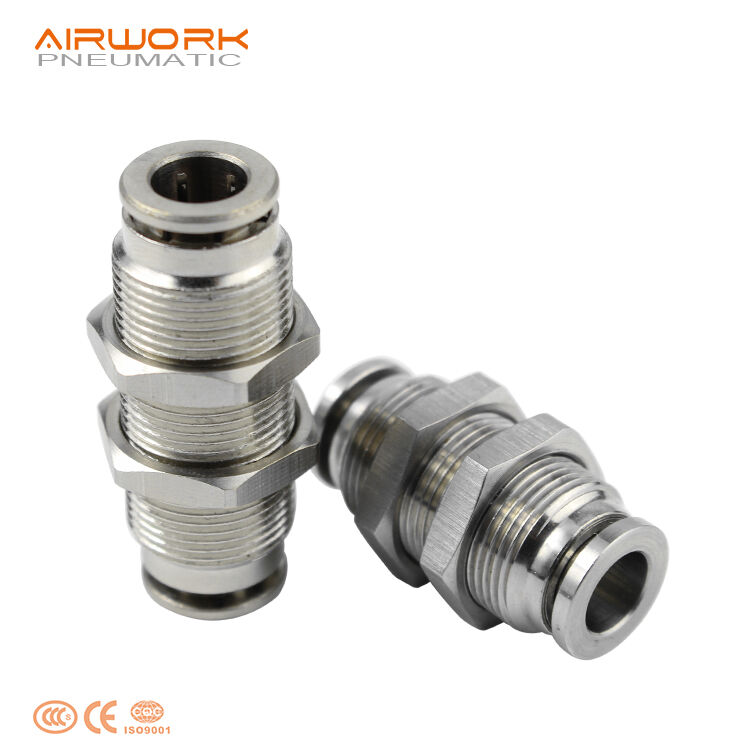
Ստեղծված հիգիենիկ դիզայնի սկզբունքները ստայնլես պնևմատիկ միացման մասերում բավարարում են սննդային մշակման, դեղագործական արտադրության և կենսատեխնոլոգիական կիրառումների կրիտիկական պահանջները, որտեղ անհրաժեշտ է ապահովել աղտոտման կանխարգելումը: Հարթ, չներծծվող մակերեսի վերջնական մշակումը վերացնում է ճեղքերն ու մեռյալ տարածքները, որտեղ կարող են կուտակվել բակտերիաներ, սունկ կամ այլ աղտոտիչներ, ինչը օգնում է համապատասխանել սխալաների կանխարգելման խիստ կարգավորող պահանջներին՝ ներառյալ FDA, USDA և cGMP ստանդարտները: Էլեկտրոպոլիրված մակերեսի վերջնական մշակումը հասնում է 20 միկրոդյույմ Ra-ից ցածր մակերեսային հարթության արժեքների, ստեղծելով ուլտրահարթ մակերես, որը դիմացկուն է բիոֆիլմի առաջացման նկատմամբ և հեշտացնում է սանիտարակման ընթացքում լիարժեք մաքրումը: Կարողությունը մաքրել և ստերիլացնել տեղում (CIP/SIP) թույլ է տալիս, որ այս միացման մասերը դիմանան ագրեսիվ մաքրման քիմիական միջոցներին և բարձր ջերմաստիճանի գոլորշու ստերիլացման ցիկլերին՝ առանց մաշվելու: Լուծարիչների կամ թելային ամրացման միջոցների բացակայությունը վերացնում է հնարավոր աղտոտման աղբյուրները, միաժամանակ պարզեցնելով սպասարկման ընթացակարգերը և նվազեցնելով արտադրանքի աղտոտման ռիսկը: Պարզ տեսողական ստուգումը հնարավոր է դառնում մետաղային փայլուն, արտացոլիչ մակերեսի շնորհիվ, որը հստակ ցույց է տալիս ցանկացած մնացորդ, մաշվածություն կամ վնասվածք, որոնք կարող են վտանգել համակարգի մաքրությունը: Դեպի միացում սեղմելու դիզայնը նվազեցնում է թելային միացումների քանակը, նվազեցնելով հնարավոր հատվածները, որտեղ կարող են առաջանալ հերմետիկության խախտումներ, ինչպես նաև վերացնելով թելերի գալվանային հորիզոնականներում աղտոտիչների կուտակման տարածքները: Խորը մաքրման կամ ստուգման համար ապամոնտաժումը չի պահանջում հատուկ գործիքներ, ինչը սպասարկման անձնակազմին թույլ է տալիս արագ հանել և վերատեղադրել միացման մասերը սովորական մաքրման ցիկլերի ընթացքում: Քիմիական դիմացկունությունը ապահովում է, որ մաքրման ընթացքում օգտագործվող սանիտարակման միջոցները, թթուները, հիմքերը և լուծիչները չեն վնասում միացման մասերի նյութերը կամ չեն թողնում վտանգավոր մնացորդներ: Տեղեկագրերի և հետագծելիության վարման պարզեցումը հնարավոր է դառնում, քանի որ ստայնլես պնևմատիկ միացման մասերը պահպանում են իրենց նույնացման նշանակումները ամբողջ ծառայության ժամանակահատվածում, ինչը աջակցում է որակի երաշխավորման ծրագրերին և կարգավորող համապատասխանության ջանքերին: Մասնիկների չթափվելու հատկությունները կանխում են մասնիկային աղտոտումը, որը կարող է վտանգել արտադրանքի որակը զգայուն արտադրական գործընթացներում, մինչդեռ հարթ ներքին մակերեսները նվազեցնում են հոսանքի անկանոնությունները և ճնշման կորուստները, որոնք կարող են ազդել համակարգի աշխատանքի վրա:

 EN
EN