Pneumatic Vacuum Valve: Advanced Industrial Vacuum Control Solutions

All Categories

pneumatic vacuum valve

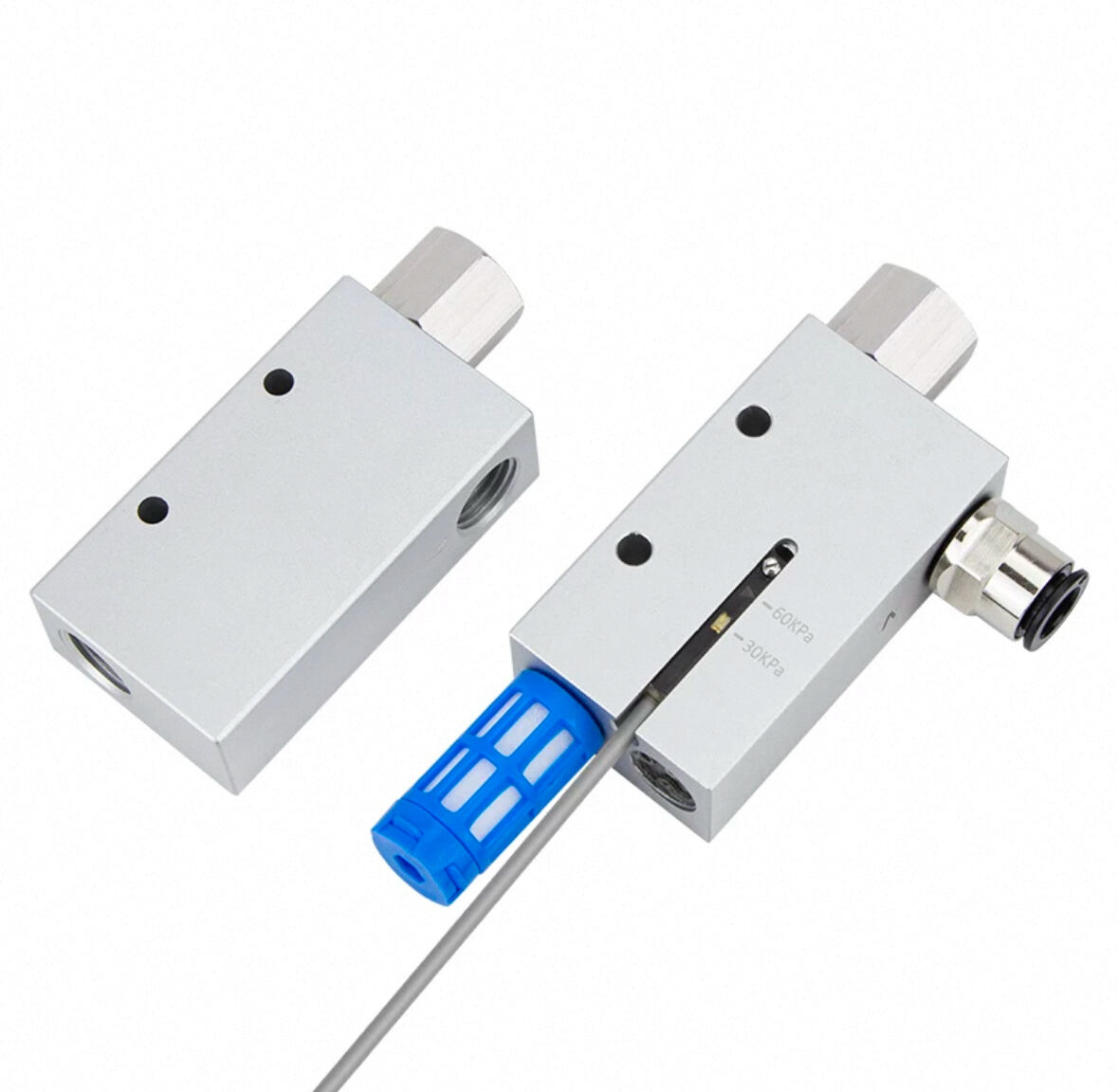
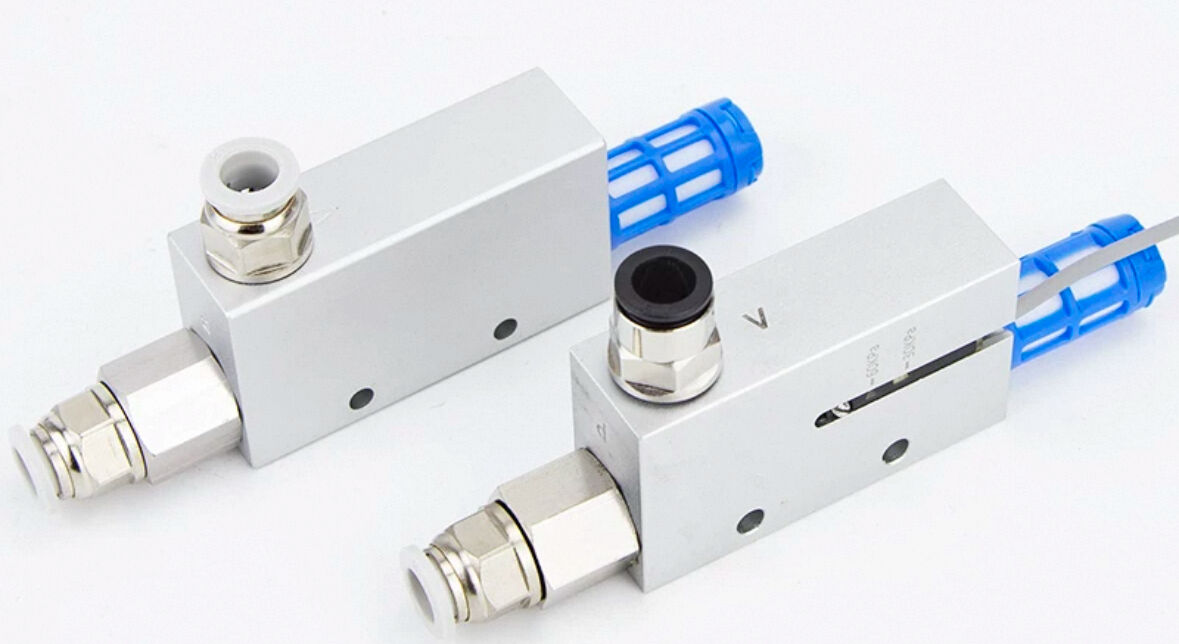
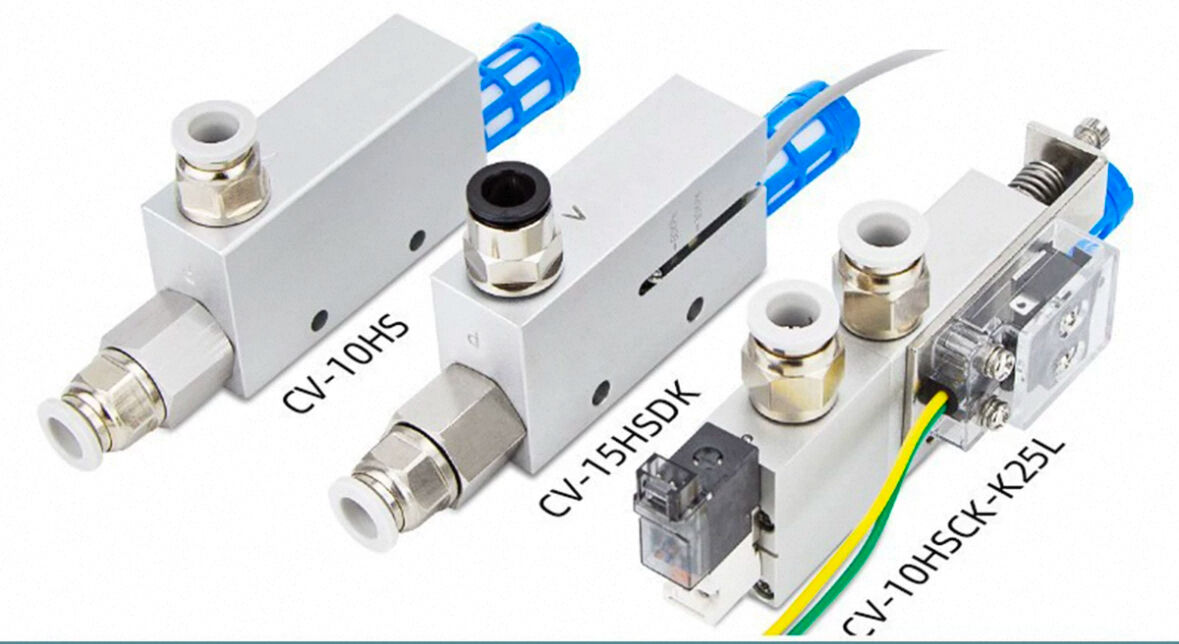
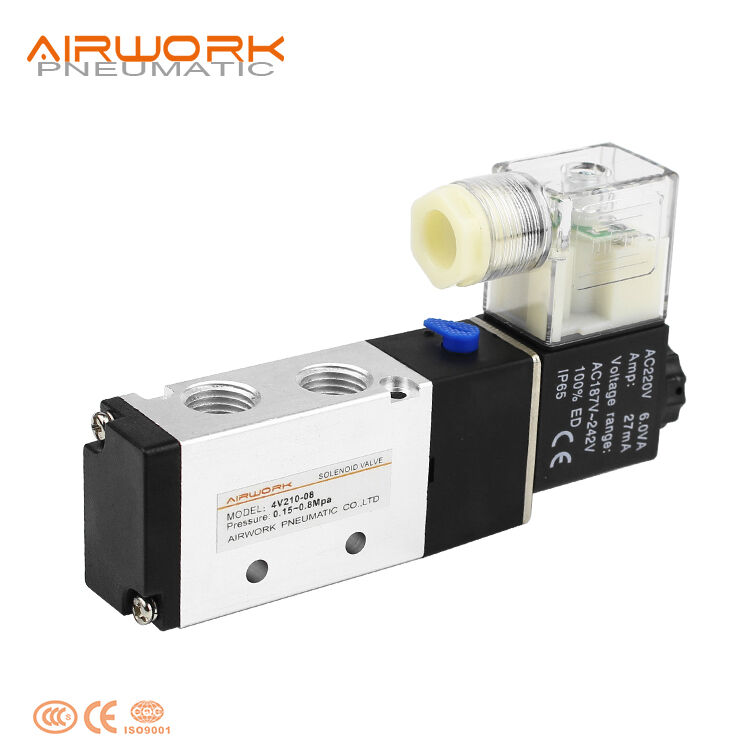
A pneumatic vacuum valve represents a critical component in modern industrial systems, designed to control and regulate vacuum pressure through compressed air operation. This sophisticated device combines the reliability of pneumatic actuation with precise vacuum control capabilities, making it essential for applications requiring accurate pressure management. The pneumatic vacuum valve operates by utilizing compressed air to actuate the valve mechanism, which then controls the flow of gases or air within vacuum systems. Its primary function involves maintaining predetermined vacuum levels, preventing backflow, and ensuring system integrity during various industrial processes. The technological architecture of these valves incorporates advanced materials and engineering principles to withstand extreme pressure differentials and environmental conditions. Key technological features include corrosion-resistant construction, precision-machined sealing surfaces, and responsive pneumatic actuators that provide rapid opening and closing cycles. The valve body typically features robust materials such as stainless steel or specialized alloys, ensuring longevity and performance consistency. Modern pneumatic vacuum valve designs incorporate fail-safe mechanisms, allowing for safe operation even during power failures or compressed air loss. These valves find extensive applications across pharmaceutical manufacturing, semiconductor production, food processing, chemical processing, and research laboratories. In pharmaceutical environments, they maintain sterile conditions and prevent contamination during product manufacturing. Semiconductor facilities rely on these valves for creating ultra-clean vacuum environments necessary for chip production. Food processing industries utilize them for packaging applications, extending product shelf life through vacuum sealing processes. The versatility of pneumatic vacuum valve systems extends to HVAC applications, where they regulate air flow and maintain building pressure differentials. Their ability to provide precise control, combined with pneumatic reliability, makes them indispensable in modern industrial automation systems where consistent vacuum performance is paramount for operational success and product quality assurance.

New Product Recommendations

The pneumatic vacuum valve offers numerous practical benefits that make it an superior choice for industrial applications requiring reliable vacuum control. First, these valves provide exceptional response times due to their pneumatic actuation system, enabling rapid pressure adjustments that enhance overall system efficiency. The compressed air operation ensures consistent performance regardless of electrical power fluctuations, making the pneumatic vacuum valve ideal for critical applications where reliability is paramount. Installation simplicity represents another significant advantage, as these valves require minimal electrical connections and can be easily integrated into existing pneumatic systems. Maintenance requirements are substantially reduced compared to electrically actuated alternatives, as pneumatic systems have fewer complex electronic components that can fail. The inherent fail-safe design of pneumatic vacuum valve systems provides peace of mind, automatically returning to a predetermined safe position during air pressure loss or system emergencies. Cost-effectiveness becomes apparent through reduced energy consumption, as pneumatic operation typically requires less power than electric actuators while delivering superior torque and force capabilities. The pneumatic vacuum valve demonstrates remarkable durability in harsh industrial environments, withstanding temperature extremes, chemical exposure, and mechanical stress better than many alternative valve types. Precision control capabilities allow operators to maintain exact vacuum levels, improving product quality and reducing waste in manufacturing processes. The modular design of most pneumatic vacuum valve systems enables easy customization and scalability, allowing facilities to expand or modify their vacuum systems without complete overhauls. Safety features inherent in pneumatic operation include explosion-proof characteristics, making these valves suitable for hazardous environments where electrical equipment poses risks. The pneumatic vacuum valve also offers excellent compatibility with various control systems, from simple manual operation to sophisticated automated process control networks. Temperature stability ensures consistent performance across wide operating ranges, while the self-cleaning action of pneumatic operation helps maintain valve performance over extended periods. These combined advantages make the pneumatic vacuum valve an intelligent investment for facilities seeking reliable, efficient, and safe vacuum control solutions.

Practical Tips

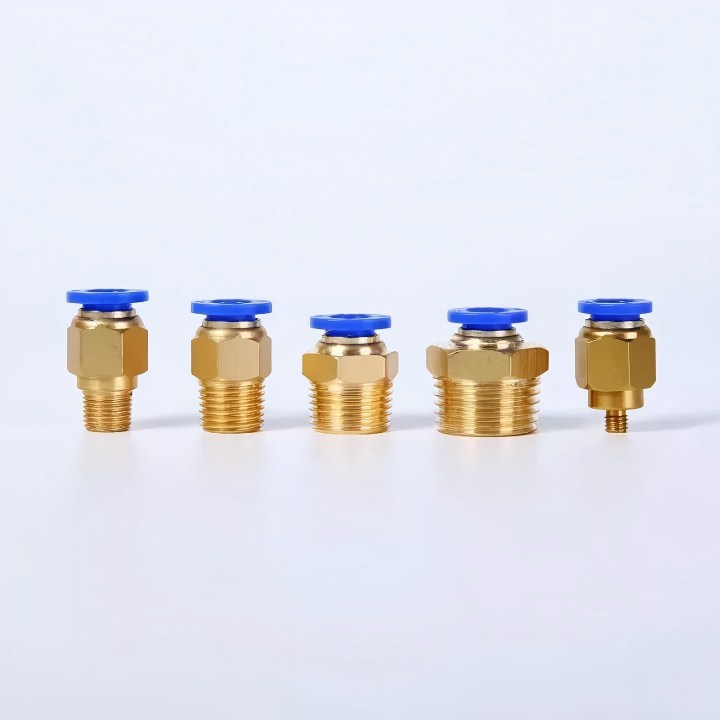
Pneumatic fittings used in water

25

Feb

Pneumatic fittings used in water

View More
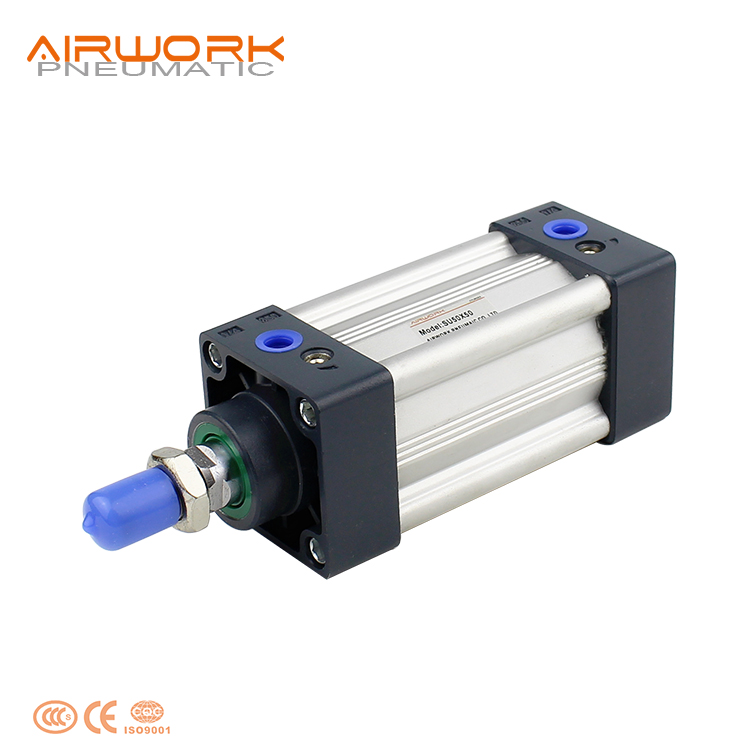
Basic knowledge of pneumatic air cylinders

25

Feb

Basic knowledge of pneumatic air cylinders

View More
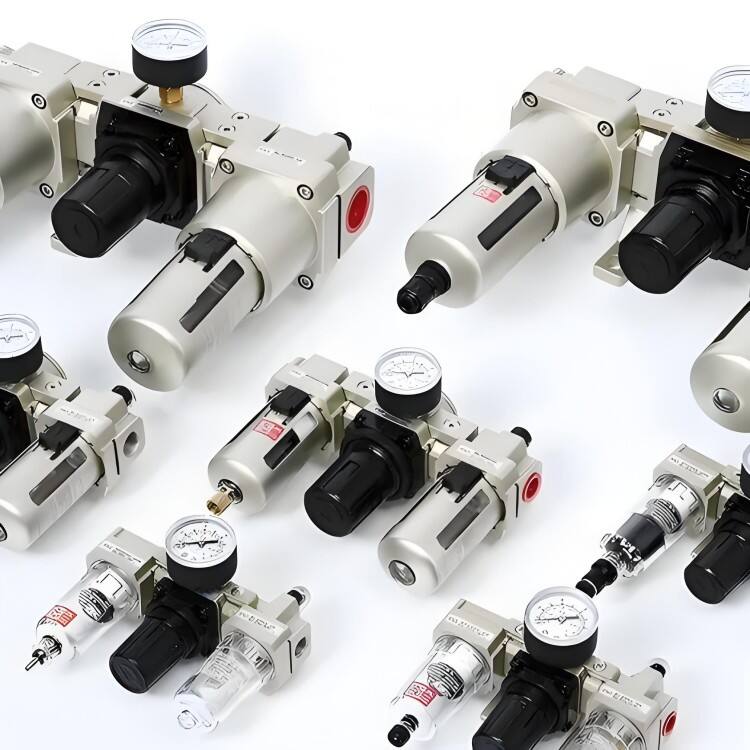
Air Source Treatment Unit:The

25

Feb

Air Source Treatment Unit:The "Guardians" and Core Components of Pneumatic Systems

View More

Get a Free Quote

Our representative will contact you soon.
Email
Name
Company Name
Message
0/1000

pneumatic vacuum valve

Superior Pneumatic Actuation Technology

Superior Pneumatic Actuation Technology

The pneumatic vacuum valve incorporates cutting-edge pneumatic actuation technology that sets it apart from conventional valve systems in industrial applications. This advanced actuation system utilizes compressed air to provide powerful, precise, and instantaneous valve operation, delivering exceptional performance characteristics that directly benefit end users. The pneumatic actuator design eliminates the need for complex electrical components, reducing potential failure points while ensuring consistent operation even in challenging environmental conditions. The compressed air system generates substantial force multiplication, allowing the pneumatic vacuum valve to handle high-pressure differentials with ease, making it suitable for demanding applications where other valve types might struggle. The actuator response time is remarkably fast, typically achieving full stroke operation within seconds, which proves crucial in processes requiring rapid vacuum adjustments or emergency shutoffs. This quick response capability enhances system safety and operational efficiency, preventing costly process disruptions or equipment damage. The pneumatic system inherently provides position feedback through air pressure monitoring, enabling precise control without additional sensors or feedback devices. The robust construction of pneumatic actuators ensures longevity, with many systems operating reliably for decades with minimal maintenance requirements. The fail-safe characteristics of pneumatic operation mean that during air supply interruptions, the pneumatic vacuum valve automatically assumes a predetermined safe position, protecting both equipment and personnel. This technology also offers exceptional temperature tolerance, functioning effectively across extreme temperature ranges where electronic actuators might fail. The pneumatic actuation system generates minimal heat during operation, making it ideal for applications where temperature control is critical. Additionally, the inherent explosion-proof nature of pneumatic operation makes these valves perfect for hazardous environments where electrical equipment poses safety risks. The pneumatic vacuum valve actuation technology represents a mature, proven solution that combines reliability, safety, and performance in a single, efficient package that delivers consistent value to industrial operations.
Precision Vacuum Control and Regulation

Precision Vacuum Control and Regulation

The pneumatic vacuum valve excels in delivering precise vacuum control and regulation capabilities that are essential for maintaining optimal process conditions in sophisticated industrial applications. This precision control functionality stems from the valve's advanced engineering design, which incorporates carefully calibrated flow characteristics and responsive control mechanisms that allow operators to achieve and maintain exact vacuum levels with remarkable accuracy. The valve's internal geometry is specifically designed to provide linear flow characteristics, ensuring predictable and controllable vacuum adjustments across the entire operating range. This precision becomes critically important in applications such as semiconductor manufacturing, pharmaceutical production, and laboratory research, where even minor vacuum variations can significantly impact product quality or experimental results. The pneumatic vacuum valve control system responds instantly to input signals, whether from manual operators or automated control systems, providing real-time vacuum adjustments that maintain process stability. The valve's ability to maintain consistent vacuum levels despite varying system loads or external conditions demonstrates its superior regulation capabilities, which translate directly into improved process reliability and reduced product waste. Advanced sealing technology within the pneumatic vacuum valve ensures minimal internal leakage, maintaining vacuum integrity and reducing energy consumption while extending system component life. The precision control features include fine adjustment capabilities that allow operators to make incremental vacuum changes, enabling optimization of specific process parameters without disrupting overall system operation. The valve's control characteristics remain stable over time, resisting drift or degradation that could affect process consistency, ensuring long-term precision performance. Integration with modern control systems is seamless, as the pneumatic vacuum valve accepts standard control signals and provides accurate position feedback for closed-loop control applications. The precision regulation capabilities also contribute to energy efficiency, as the valve maintains optimal vacuum levels without unnecessary overconsumption of vacuum pump capacity. This precise control functionality ultimately translates into improved product quality, reduced operational costs, and enhanced process reliability for industrial users who demand consistent, accurate vacuum control performance.
Exceptional Durability and Low Maintenance Requirements

Exceptional Durability and Low Maintenance Requirements

The pneumatic vacuum valve demonstrates exceptional durability and remarkably low maintenance requirements, making it an economically advantageous choice for industrial facilities seeking long-term operational reliability and reduced lifecycle costs. The robust construction methodology employed in manufacturing these valves incorporates premium materials specifically selected for their resistance to wear, corrosion, and environmental stress, ensuring sustained performance even under demanding operational conditions. The valve body construction utilizes high-grade stainless steel or specialized alloys that maintain structural integrity and surface finish quality throughout extended service periods, resisting chemical attack and mechanical wear that typically plague inferior valve designs. The pneumatic actuator components are engineered for longevity, featuring corrosion-resistant materials and precision manufacturing tolerances that minimize wear and extend operational life significantly beyond conventional valve systems. The internal sealing systems employ advanced materials and designs that maintain effectiveness over thousands of operating cycles, reducing the frequency of seal replacements and associated maintenance downtime. The pneumatic vacuum valve design minimizes the number of moving parts compared to complex electrically operated alternatives, inherently reducing potential failure points and maintenance requirements while enhancing overall system reliability. The self-cleaning action created by the pneumatic operation helps prevent debris accumulation and contamination buildup that could impair valve performance, naturally extending service intervals and reducing maintenance interventions. Lubrication requirements are minimal or eliminated entirely through the use of self-lubricating materials and designs that operate effectively without regular lubrication schedules, reducing maintenance labor and material costs. The modular construction approach allows for easy component replacement when maintenance is required, enabling quick repairs without extensive system shutdowns or specialized technical expertise. Temperature cycling and pressure fluctuations that challenge other valve types have minimal impact on pneumatic vacuum valve performance, as the robust design accommodates thermal expansion and mechanical stress without degradation. The maintenance intervals for these valves are typically measured in years rather than months, with many installations operating successfully for decades with only routine inspections and minimal component replacements, providing exceptional return on investment through reduced maintenance costs and extended operational availability.

Get a Free Quote

Our representative will contact you soon.
Email
Name
Company Name
Message
0/1000