Pneumatic Operated Valves: Advanced Industrial Flow Control Solutions

All Categories

pneumatic operated valve

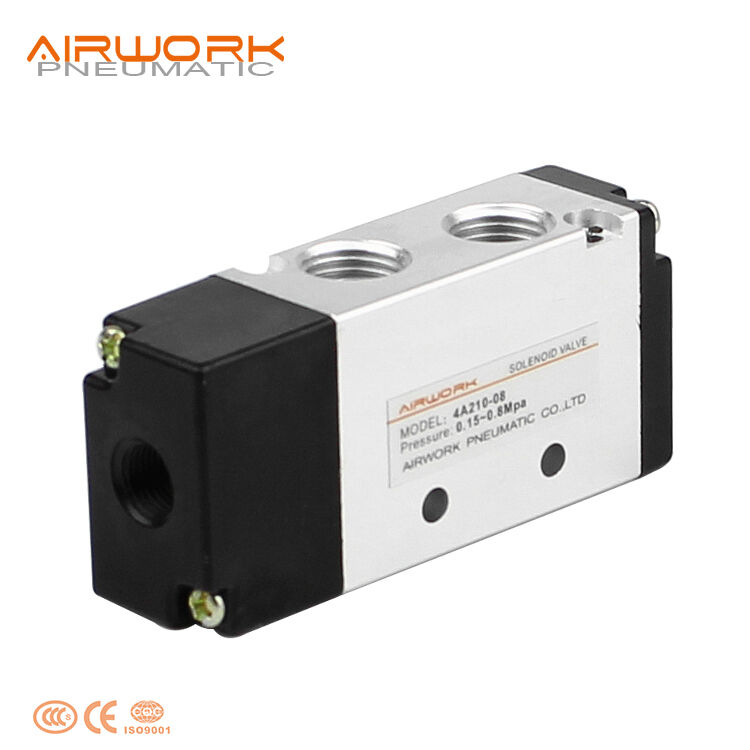
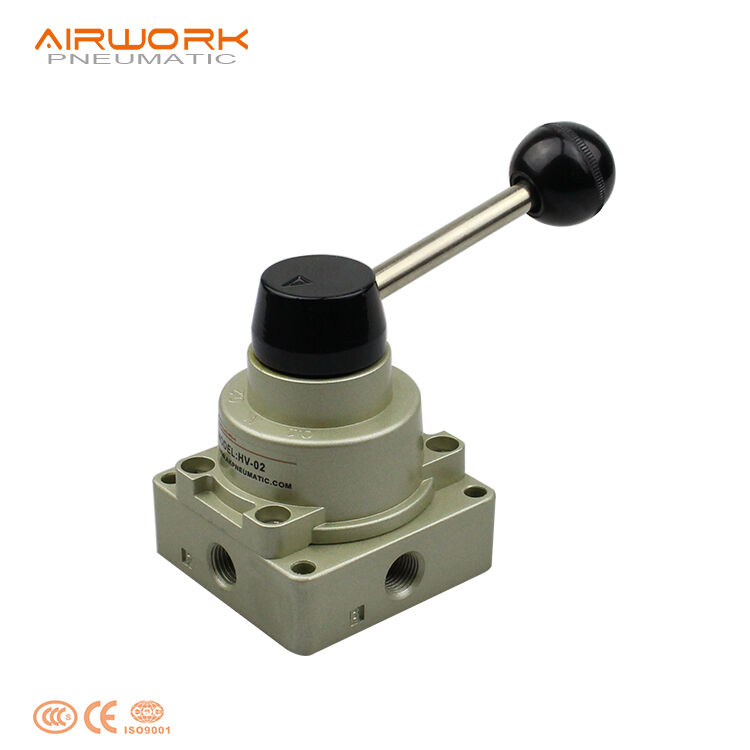
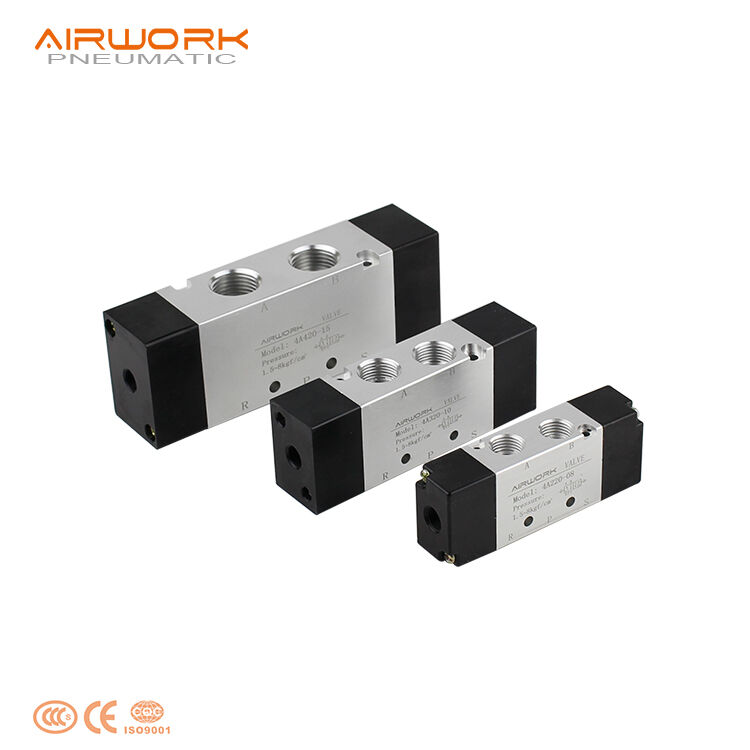
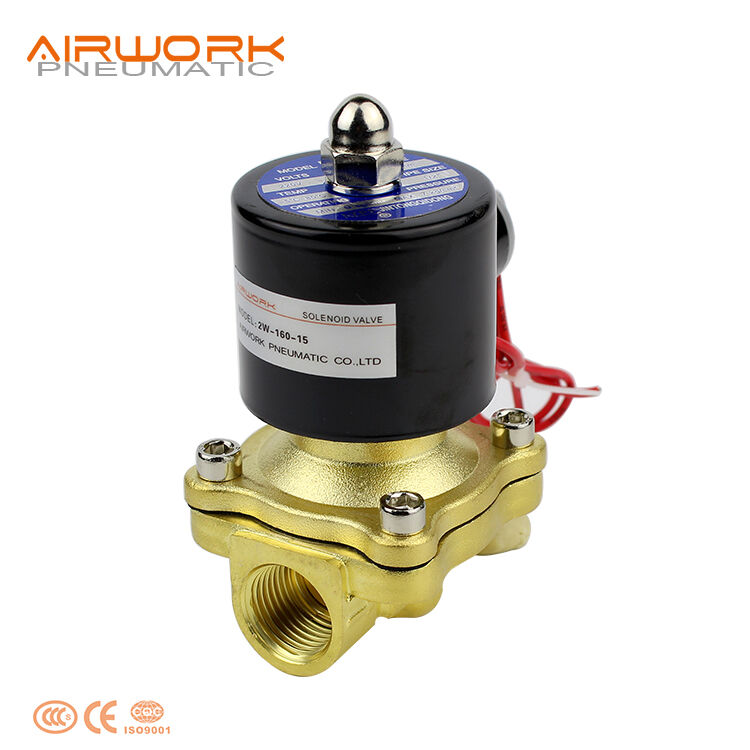
A pneumatic operated valve represents an essential component in modern industrial automation systems, utilizing compressed air pressure to control fluid flow through piping networks. These sophisticated devices consist of several key components including an actuator assembly, valve body, control mechanism, and feedback sensors that work together to provide precise flow regulation. The pneumatic operated valve functions by converting compressed air signals into mechanical motion, which positions the valve element to either allow, restrict, or completely block fluid passage through the system. The core technology relies on pressure differentials created within the actuator chamber, where compressed air pushes against a diaphragm or piston to generate the necessary force for valve operation. Modern pneumatic operated valve designs incorporate advanced materials such as stainless steel bodies, reinforced elastomer seals, and corrosion-resistant actuator components to ensure long-term reliability in demanding environments. The control system typically includes positioners, solenoid valves, and pressure regulators that enable remote operation and precise positioning of the valve element. These valves excel in applications requiring rapid response times, with typical stroke speeds ranging from milliseconds to several seconds depending on valve size and air supply pressure. The pneumatic operated valve technology offers inherent safety benefits through its fail-safe design capabilities, allowing operators to configure the valve to automatically close or open upon air supply failure. Temperature compensation features ensure consistent performance across varying environmental conditions, while modular construction facilitates easy maintenance and component replacement. Integration capabilities with distributed control systems enable seamless communication through various protocols including analog signals, digital fieldbus networks, and wireless transmission methods. The versatility of pneumatic operated valve systems makes them suitable for handling diverse media types including gases, liquids, steam, and corrosive chemicals across pressure ranges from vacuum to high-pressure applications exceeding 6000 PSI.

New Product Recommendations

Pneumatic operated valves deliver exceptional performance benefits that make them the preferred choice for countless industrial applications worldwide. The primary advantage lies in their remarkable speed and responsiveness, as compressed air systems can actuate these valves in fractions of a second, enabling rapid process control and emergency shutdown capabilities that manual valves simply cannot match. This quick response time translates directly into improved process efficiency and enhanced safety protocols for facility operations. The inherent reliability of pneumatic operated valve systems stems from their simple mechanical design with fewer moving parts compared to electric or hydraulic alternatives, resulting in reduced maintenance requirements and extended service life. Operators benefit from lower total cost of ownership as these valves require minimal routine maintenance beyond periodic lubrication and seal replacement, typically operating for years without major service interventions. The fail-safe operation capability represents another significant advantage, as pneumatic operated valves can be configured to automatically move to a predetermined safe position when air supply is interrupted, protecting equipment and personnel from potentially hazardous conditions. Energy efficiency becomes apparent when considering that compressed air systems often already exist in industrial facilities, eliminating the need for additional electrical infrastructure or hydraulic power units. The precise control characteristics of pneumatic operated valves enable operators to achieve exact flow rates and pressure regulation, improving product quality and reducing waste in manufacturing processes. Environmental benefits include the clean operation of compressed air systems, which produce no emissions or contamination risks compared to hydraulic fluids that might leak and cause environmental damage. Installation flexibility allows pneumatic operated valves to function in hazardous locations where electrical equipment might create explosion risks, making them ideal for chemical processing, oil and gas, and mining operations. The modular construction of modern pneumatic operated valve assemblies facilitates easy upgrades and modifications, allowing facilities to adapt their control systems as operational requirements change. Remote operation capabilities enable centralized control from safe distances, reducing operator exposure to dangerous processes while maintaining full system control. Cost-effective automation becomes achievable through pneumatic operated valve integration with existing control systems, providing sophisticated process control without massive capital investments in new infrastructure.

Tips And Tricks

Pneumatic fittings used in water

25

Feb

Pneumatic fittings used in water

View More
Basic knowledge of pneumatic air cylinders

25

Feb

Basic knowledge of pneumatic air cylinders

View More
Air Source Treatment Unit:The

25

Feb

Air Source Treatment Unit:The "Guardians" and Core Components of Pneumatic Systems

View More

Get a Free Quote

Our representative will contact you soon.
Email
Name
Company Name
Message
0/1000

pneumatic operated valve

Superior Response Speed and Precision Control

Superior Response Speed and Precision Control

The exceptional response speed of pneumatic operated valve systems represents a game-changing advantage for industries requiring rapid process control and precise flow regulation. These advanced control devices achieve actuating speeds that far exceed manual valve capabilities, with typical response times measured in milliseconds rather than seconds or minutes. This remarkable speed stems from the fundamental properties of compressed air, which transmits pressure changes almost instantaneously through the pneumatic system, enabling the pneumatic operated valve to respond immediately to control signals. The precision control characteristics become particularly valuable in applications where exact flow rates must be maintained within tight tolerances, such as pharmaceutical manufacturing, food processing, and chemical production facilities. Modern pneumatic operated valve designs incorporate sophisticated positioner technology that provides feedback control, ensuring the valve element reaches and maintains the exact position specified by the control system. This level of precision translates directly into improved product quality, reduced waste, and enhanced process efficiency for manufacturing operations. The combination of speed and precision makes pneumatic operated valves indispensable for emergency shutdown systems, where rapid valve closure can prevent catastrophic equipment damage or personnel injury during upset conditions. Advanced control algorithms integrated into modern pneumatic operated valve systems enable operators to customize response characteristics, adjusting opening and closing speeds to optimize performance for specific applications. The proportional control capability allows these valves to maintain any intermediate position between fully open and fully closed, providing infinite variability in flow control that manual valves cannot achieve. This flexibility enables process engineers to implement sophisticated control strategies that maximize efficiency while minimizing energy consumption and material waste. The reliability of this precision control remains consistent over extended operating periods, as pneumatic operated valve systems maintain their accuracy even after thousands of operating cycles, ensuring long-term process stability and predictable performance that operators can depend upon for critical applications.
Robust Safety Features and Fail-Safe Operation

Robust Safety Features and Fail-Safe Operation

Safety considerations make pneumatic operated valves the preferred choice for critical applications where equipment protection and personnel safety cannot be compromised. The inherent fail-safe design capability represents the cornerstone of pneumatic operated valve safety features, allowing engineers to configure these systems to automatically move to predetermined safe positions when air supply pressure drops below operational thresholds. This fundamental safety characteristic provides peace of mind for operators working with hazardous materials or processes where uncontrolled valve positions could result in dangerous conditions. The pneumatic operated valve fail-safe mechanism operates purely through mechanical principles, requiring no external power source or complex electronics that might fail during emergency situations. Spring-return actuators commonly integrated into pneumatic operated valve assemblies ensure that valve closure occurs rapidly and reliably even during complete air supply failure, providing the ultimate backup safety system. The explosion-proof capabilities of pneumatic operated valves make them suitable for hazardous environments where electrical equipment might create ignition sources, such as chemical processing facilities, oil refineries, and grain handling operations. Unlike electrically actuated alternatives, pneumatic operated valve systems generate no sparks or electrical arcs that could trigger explosions in volatile atmospheres, providing an inherently safe solution for dangerous applications. The robust construction of industrial-grade pneumatic operated valves enables them to withstand extreme environmental conditions including temperature fluctuations, corrosive atmospheres, and high vibration levels without compromising safety performance. Advanced diagnostic capabilities built into modern pneumatic operated valve systems continuously monitor actuator performance, air supply pressure, and valve position feedback to provide early warning of potential problems before they compromise safety. The mechanical simplicity of pneumatic operated valve designs reduces the likelihood of complex failure modes that might defeat safety systems, as the basic operation relies on proven pressure-driven mechanisms that have demonstrated reliability over decades of industrial service. Emergency stop capabilities can be integrated directly into pneumatic operated valve control circuits, enabling immediate valve actuation from multiple locations throughout a facility to ensure rapid response to dangerous conditions.
Cost-Effective Installation and Maintenance Benefits

Cost-Effective Installation and Maintenance Benefits

The economic advantages of pneumatic operated valve systems extend far beyond initial purchase price, delivering substantial cost savings throughout their operational lifecycle through reduced installation complexity, minimal maintenance requirements, and exceptional durability. Installation costs remain significantly lower compared to electrically actuated alternatives because pneumatic operated valves require only compressed air supply lines rather than complex electrical conduits, junction boxes, and explosion-proof wiring systems that add substantial expense to hazardous location installations. Most industrial facilities already maintain compressed air distribution systems for other equipment, allowing pneumatic operated valve installation to leverage existing infrastructure without requiring dedicated power supplies or control panels. The straightforward piping connections and mechanical mounting requirements enable faster installation times, reducing labor costs and minimizing production downtime during valve replacement or system upgrades. Maintenance benefits become immediately apparent through the mechanical simplicity of pneumatic operated valve designs, which contain fewer precision components than electric or hydraulic actuators that might require specialized service expertise. Routine maintenance procedures typically involve only basic tasks such as lubrication, seal replacement, and air filter servicing that can be performed by standard maintenance personnel without extensive training or specialized tools. The robust construction of quality pneumatic operated valves enables extended service intervals, often operating for years between major maintenance events while maintaining reliable performance throughout their service life. Predictable maintenance scheduling becomes possible because pneumatic operated valve wear patterns follow consistent patterns related to operating cycles and environmental conditions, allowing maintenance teams to plan service activities during scheduled outages rather than responding to unexpected failures. Replacement parts availability and affordability represent additional economic benefits, as pneumatic operated valve components utilize standard industrial materials and manufacturing processes that keep spare parts costs reasonable and delivery times short. The modular design philosophy adopted by leading pneumatic operated valve manufacturers enables selective component replacement rather than complete valve replacement, extending equipment life while minimizing capital expenditure requirements. Energy costs remain low because compressed air systems typically operate at high efficiency levels, and pneumatic operated valves consume air only during actuating movements rather than continuously like some electric actuator designs, resulting in reduced operating expenses over time.

Get a Free Quote

Our representative will contact you soon.
Email
Name
Company Name
Message
0/1000