Air Operated 3 Way Valve: Complete Guide to Pneumatic Control Solutions

All Categories

air operated 3 way valve

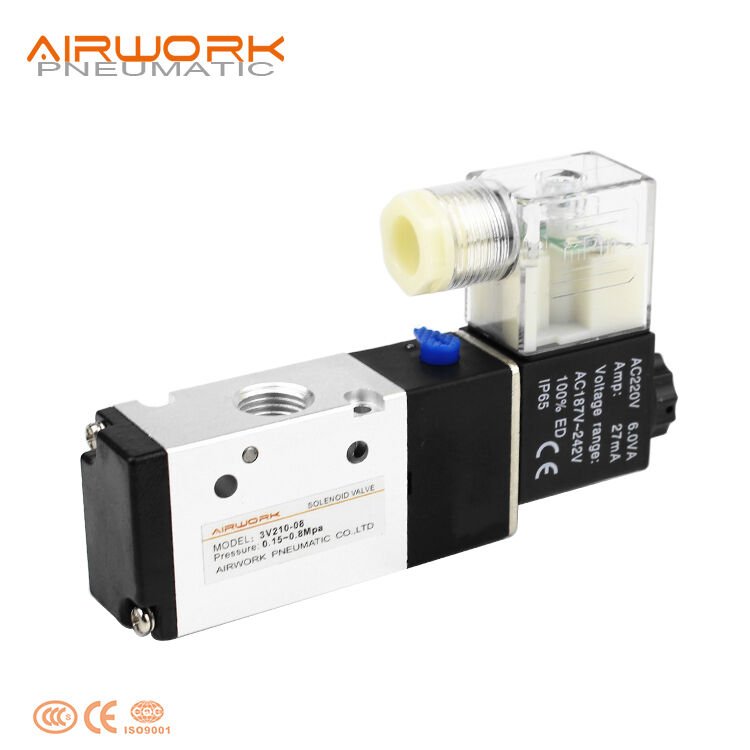
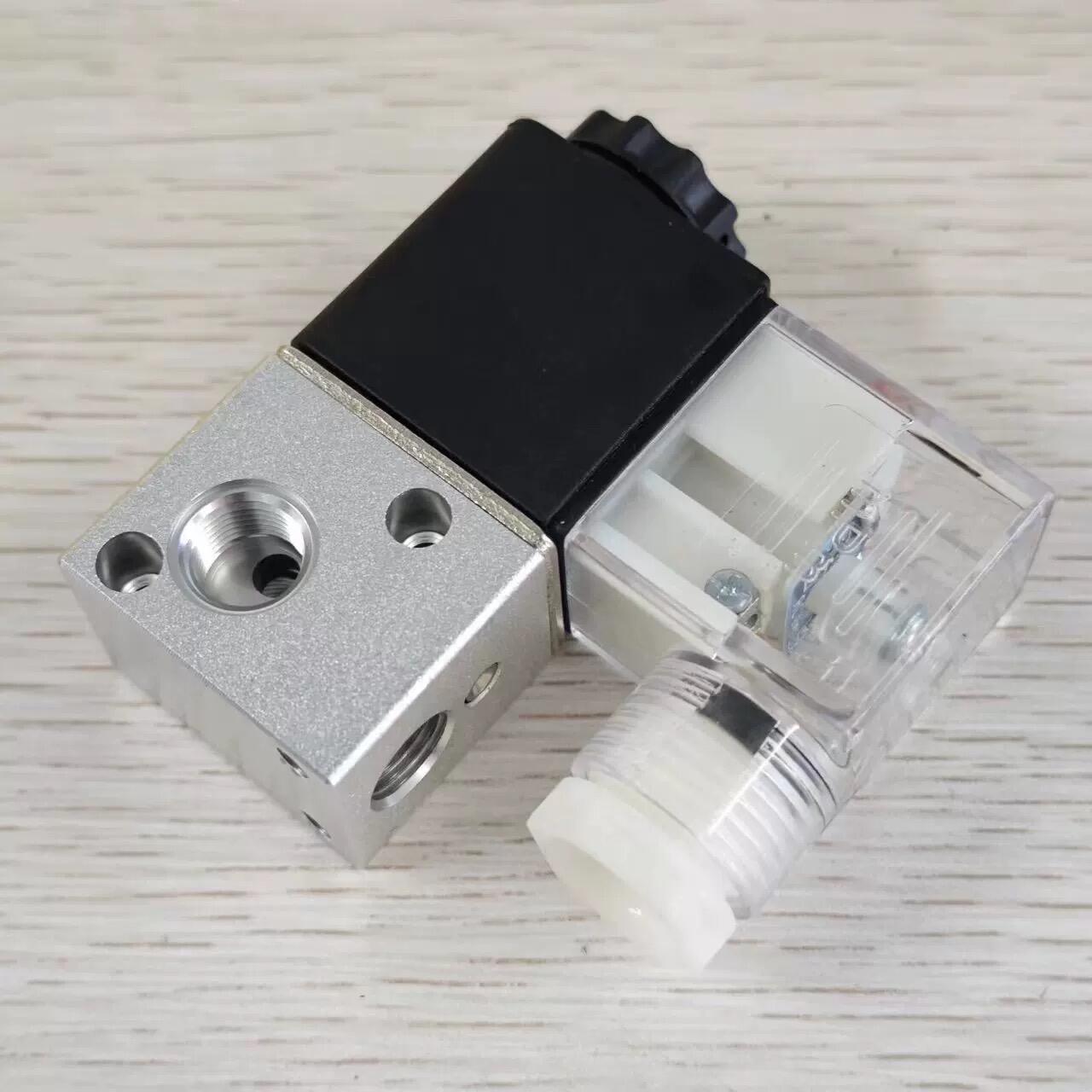
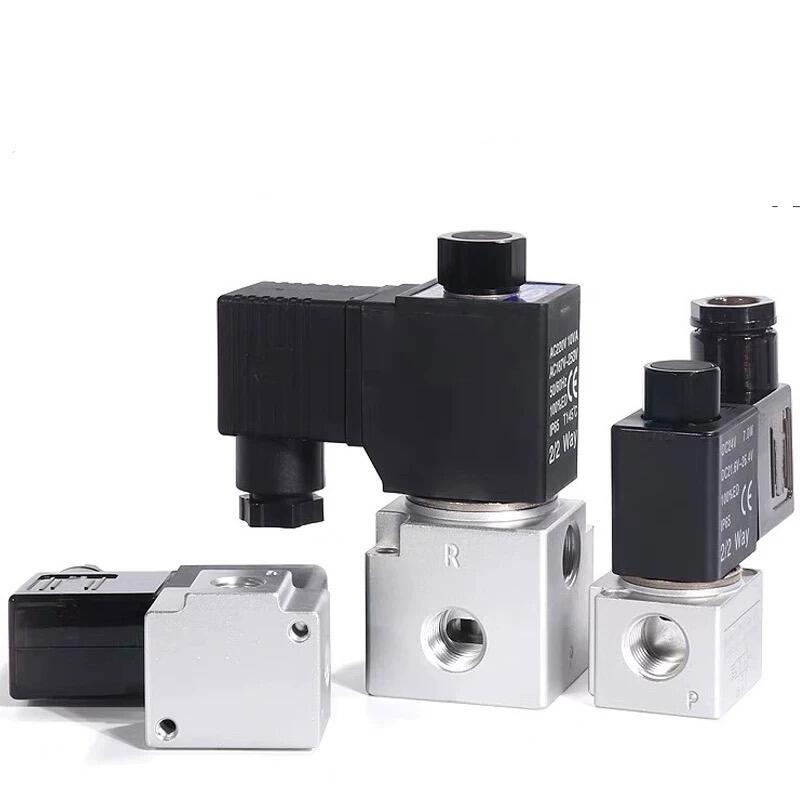
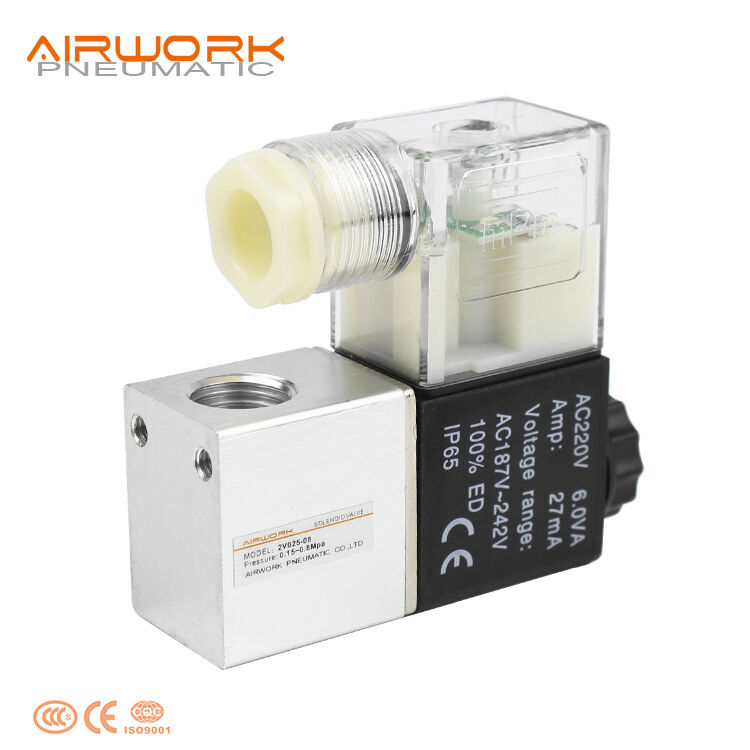
An air operated 3 way valve represents a sophisticated pneumatic control device that manages fluid flow direction through three distinct ports using compressed air as the actuating force. This versatile valve system incorporates an inlet port, two outlet ports, and a pneumatic actuator that responds to air pressure signals to control the valve's internal mechanism. The fundamental design enables precise switching between different flow paths, making it an essential component in automated industrial processes. The air operated 3 way valve functions by utilizing compressed air to move an internal spool or disc mechanism that alternately connects the inlet port to either of the two outlet ports while simultaneously blocking the third connection. This configuration allows operators to redirect process fluids, gases, or other media between different system branches without manual intervention. The technological architecture includes a robust valve body constructed from materials such as stainless steel, brass, or specialized alloys depending on application requirements. The pneumatic actuator features a diaphragm or piston design that converts air pressure into mechanical motion, providing reliable and repeatable operation. Advanced models incorporate position feedback sensors, manual override capabilities, and fail-safe mechanisms that ensure safe operation during power failures. The valve's response time typically ranges from milliseconds to seconds, depending on actuator size and air pressure levels. Modern air operated 3 way valve designs often include modular construction that facilitates easy maintenance and component replacement. Applications span across numerous industries including chemical processing, water treatment, HVAC systems, manufacturing automation, food and beverage production, pharmaceutical processing, and petroleum refining. These valves excel in environments requiring remote operation, frequent switching cycles, or integration with automated control systems where manual valve operation would be impractical or unsafe.

New Product Releases

The air operated 3 way valve delivers exceptional automation capabilities that eliminate the need for manual valve operation, significantly reducing labor costs and human error potential in industrial processes. This automation advantage becomes particularly valuable in hazardous environments where human presence poses safety risks, allowing operators to control fluid flow from safe distances through pneumatic control systems. The rapid response characteristics of these valves enable precise process control with switching times measured in milliseconds, far exceeding manual valve operation speeds and contributing to improved production efficiency and product quality consistency. Cost-effectiveness represents another major advantage, as the air operated 3 way valve requires minimal maintenance compared to electrically actuated alternatives, with fewer moving parts subject to wear and tear. The pneumatic operation eliminates concerns about electrical safety in explosive atmospheres, making these valves ideal for chemical plants, refineries, and other hazardous locations where electrical equipment requires expensive explosion-proof enclosures. Energy efficiency benefits emerge from the valve's ability to operate using existing plant air systems without requiring additional electrical infrastructure, reducing installation costs and ongoing energy consumption. The inherent fail-safe capabilities provide critical safety advantages, as most air operated 3 way valve designs can be configured to assume a predetermined safe position when air pressure is lost, protecting equipment and personnel during emergency situations. Durability advantages stem from the robust construction and pneumatic operation that handles demanding industrial conditions including temperature extremes, corrosive environments, and high-pressure applications. The modular design approach facilitates easy maintenance and component replacement, minimizing downtime and reducing long-term operating costs. Versatility advantages allow these valves to handle diverse media types including liquids, gases, and slurries across various pressure and temperature ranges. Integration capabilities enable seamless connection with existing pneumatic control systems, programmable logic controllers, and distributed control systems, providing flexible automation solutions. The scalability advantage allows facilities to expand their automation systems incrementally without major infrastructure changes, supporting business growth and operational improvements over time.

Latest News

Pneumatic fittings used in water

25

Feb

Pneumatic fittings used in water

View More
Basic knowledge of pneumatic air cylinders

25

Feb

Basic knowledge of pneumatic air cylinders

View More
Air Source Treatment Unit:The

25

Feb

Air Source Treatment Unit:The "Guardians" and Core Components of Pneumatic Systems

View More

Get a Free Quote

Our representative will contact you soon.
Email
Name
Company Name
Message
0/1000

air operated 3 way valve

Superior Pneumatic Control Technology

Superior Pneumatic Control Technology

The air operated 3 way valve incorporates advanced pneumatic control technology that sets it apart from conventional valve solutions, delivering unmatched precision and reliability in fluid flow management applications. This sophisticated technology utilizes compressed air as the primary actuating force, eliminating dependence on electrical power and providing inherent safety advantages in hazardous environments where electrical equipment poses explosion risks. The pneumatic actuator design features either diaphragm or piston mechanisms that convert air pressure signals into precise mechanical motion, ensuring consistent valve positioning and flow control accuracy. Advanced models integrate position feedback systems that provide real-time valve status information to control systems, enabling closed-loop control strategies that optimize process performance. The technology incorporates fail-safe mechanisms that automatically position the valve to a predetermined safe state during air pressure loss, protecting critical equipment and maintaining process safety. Modern air operated 3 way valve designs feature modular construction that allows customization of actuator sizes, mounting configurations, and control accessories to meet specific application requirements. The pneumatic control technology enables rapid response times typically ranging from 50 milliseconds to 2 seconds depending on valve size and air pressure levels, facilitating precise process control in dynamic applications. Smart pneumatic accessories such as solenoid pilot valves, pressure regulators, and flow control devices enhance the overall control system capabilities, providing sophisticated automation solutions. The technology supports various control modes including on-off control, proportional control, and complex sequencing operations through integration with programmable pneumatic controllers. Environmental adaptability represents a key technological advantage, as these valves operate effectively across wide temperature ranges and resist corrosion in challenging chemical environments through appropriate material selection and protective coatings.
Exceptional Industrial Application Versatility

Exceptional Industrial Application Versatility

The air operated 3 way valve demonstrates remarkable versatility across diverse industrial applications, serving as a critical component in countless automated systems where reliable flow control is essential for operational success. This versatility stems from the valve's ability to handle multiple media types including clean and dirty liquids, corrosive chemicals, aggressive gases, and abrasive slurries while maintaining consistent performance throughout extended service life. Chemical processing industries rely heavily on these valves for reactor feed control, product switching, and emergency isolation applications where precise timing and fail-safe operation are paramount. Water and wastewater treatment facilities utilize air operated 3 way valve systems for backwash cycles, chemical dosing control, and flow diversion applications that require frequent switching operations. Manufacturing automation applications benefit from the valve's integration capabilities with robotic systems, conveyor controls, and quality inspection equipment, enabling sophisticated production line automation. Food and beverage processing operations leverage the valve's sanitary design options and CIP (Clean-in-Place) compatibility for product changeovers, ingredient mixing, and packaging line control while maintaining strict hygiene standards. Pharmaceutical manufacturing facilities depend on these valves for sterile processing applications, batch control systems, and validation-compliant operations that meet stringent regulatory requirements. HVAC applications utilize the versatility for zone control, heating and cooling distribution, and energy management systems in commercial and industrial buildings. Power generation facilities employ these valves for cooling water systems, fuel handling applications, and emission control systems where reliability is critical. Oil and gas processing operations benefit from the valve's ability to handle hydrocarbon fluids, natural gas streams, and corrosive well fluids in upstream, midstream, and downstream applications. The modular design approach enables customization of materials, seals, and actuator configurations to optimize performance for specific media compatibility and operating condition requirements.
Outstanding Reliability and Maintenance Benefits

Outstanding Reliability and Maintenance Benefits

The air operated 3 way valve delivers exceptional reliability and maintenance advantages that significantly reduce total cost of ownership while maximizing system uptime in demanding industrial environments. This outstanding reliability stems from the robust pneumatic actuator design that features fewer moving parts compared to electric or hydraulic alternatives, resulting in reduced wear and tear during normal operation. The simplicity of pneumatic operation eliminates complex electrical components, motor drives, and electronic controls that are susceptible to failure in harsh industrial conditions, contributing to extended service intervals and reduced maintenance requirements. Preventive maintenance procedures for air operated 3 way valve systems are straightforward and typically involve periodic lubrication, seal inspection, and air filter replacement, tasks that can be performed by standard maintenance personnel without specialized training. The modular construction approach facilitates rapid component replacement during scheduled maintenance windows, minimizing production downtime and reducing maintenance labor costs. Diagnostic capabilities built into modern designs include position indicators, pressure monitoring ports, and optional feedback devices that enable condition monitoring and predictive maintenance strategies. Material selection options including corrosion-resistant alloys, specialized coatings, and compatible sealing materials ensure long service life even in aggressive chemical environments that would quickly degrade inferior valve designs. The inherent fail-safe characteristics provide additional reliability through automatic positioning to safe states during air supply interruptions, protecting equipment and maintaining process safety without operator intervention. Quality manufacturing standards and rigorous testing procedures ensure consistent performance and reliability across valve populations, reducing variability and unexpected failures. Field serviceability represents a major maintenance advantage, as most repairs and adjustments can be performed in-place without removing the valve from the process line, saving significant maintenance time and costs. Spare parts availability and standardized component designs facilitate inventory management and reduce emergency repair costs, while comprehensive documentation and technical support ensure proper maintenance practices and troubleshooting procedures for optimal valve performance throughout its operational life cycle.

Get a Free Quote

Our representative will contact you soon.
Email
Name
Company Name
Message
0/1000