Professional Pneumatic Pressure Release Valve Solutions - Advanced Safety & Control Systems

All Categories

pneumatic pressure release valve

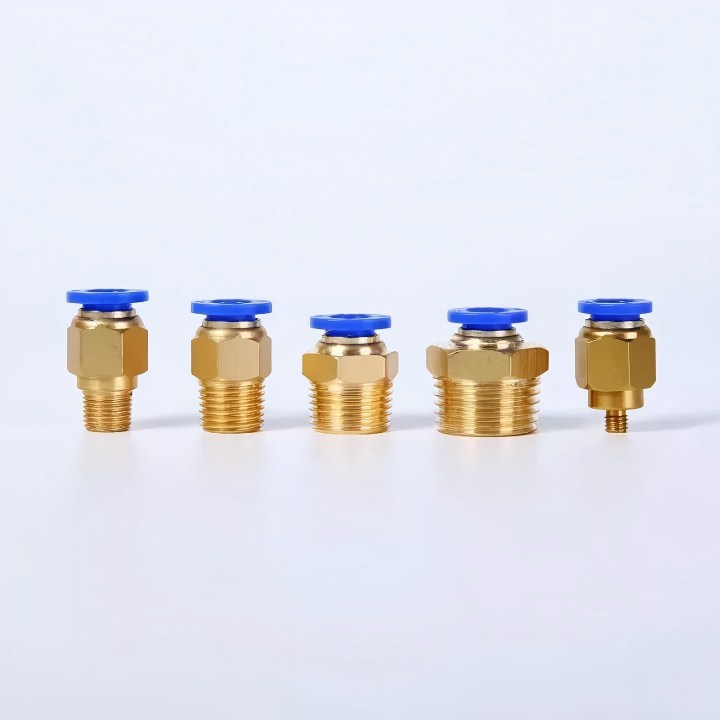
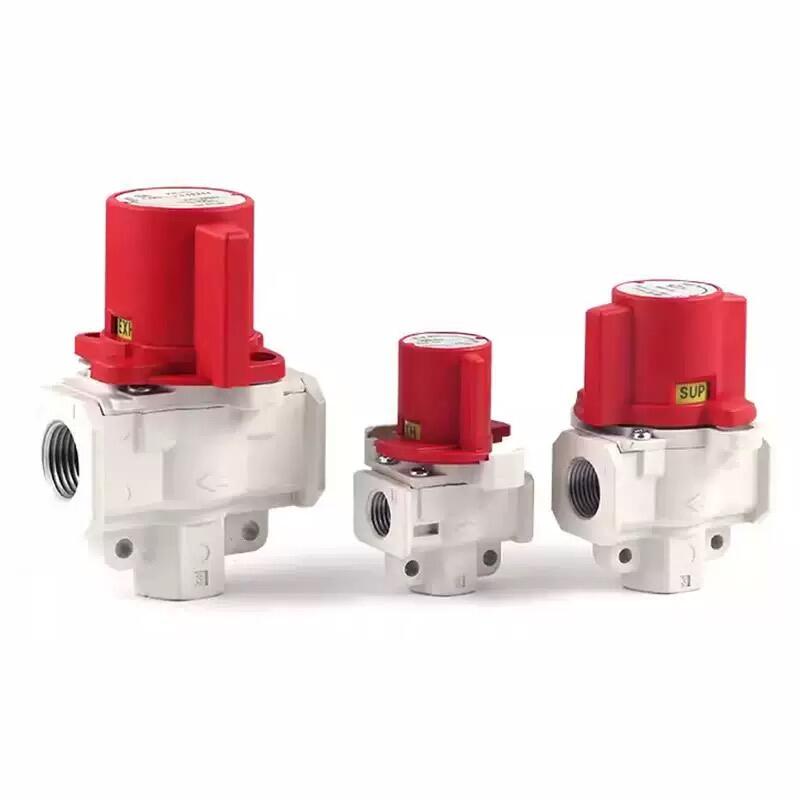
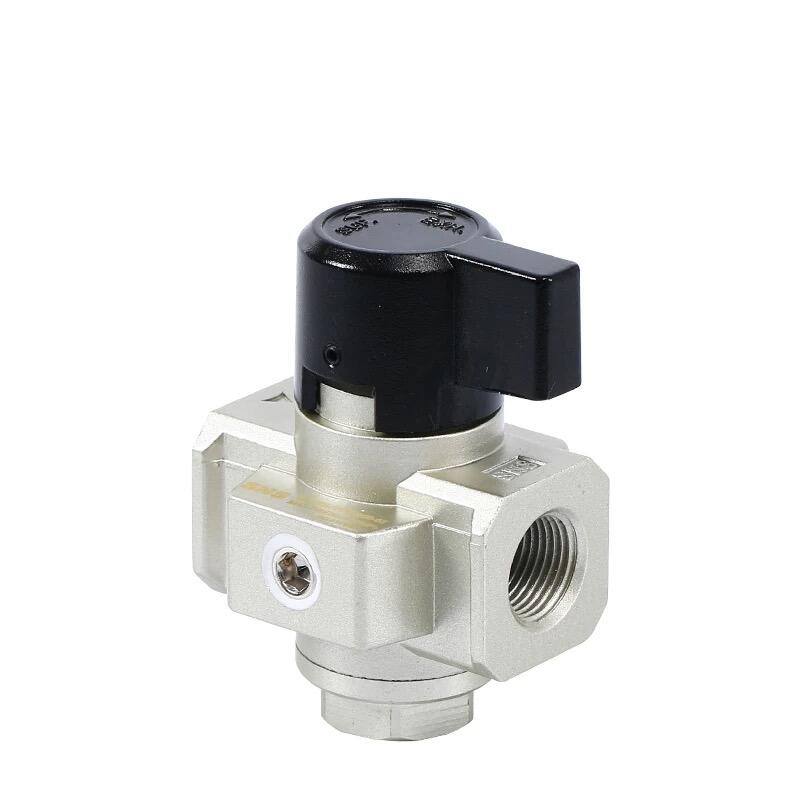
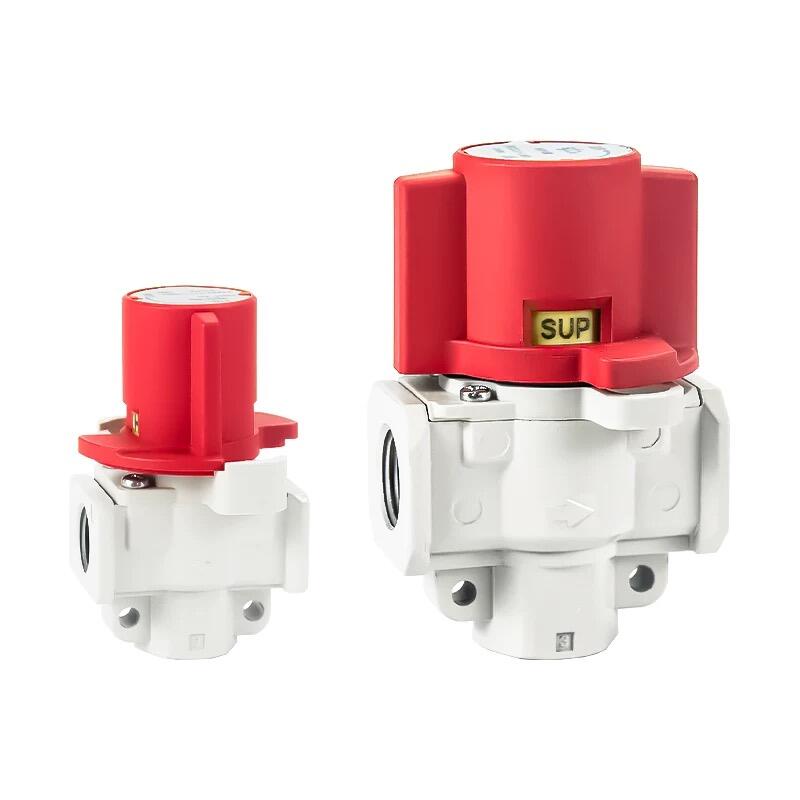
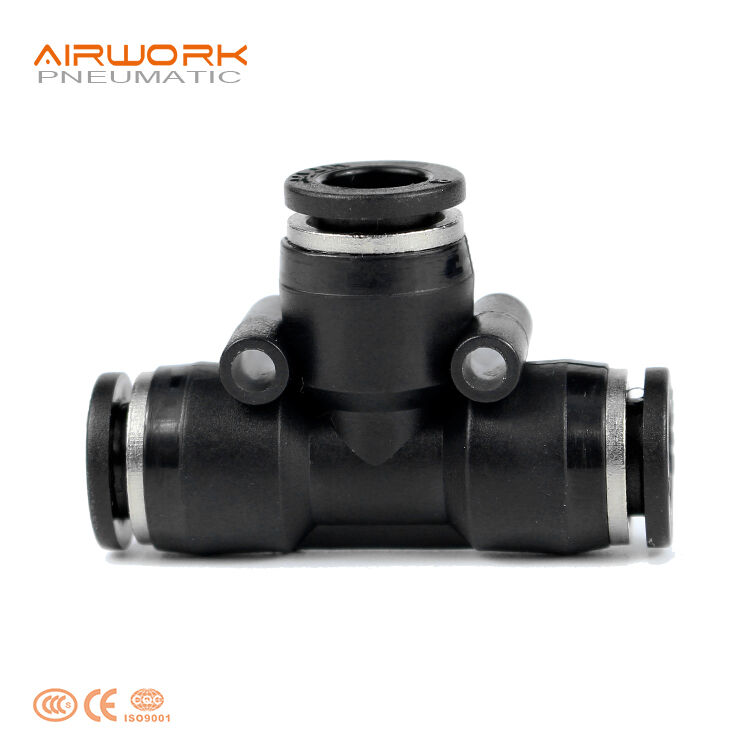
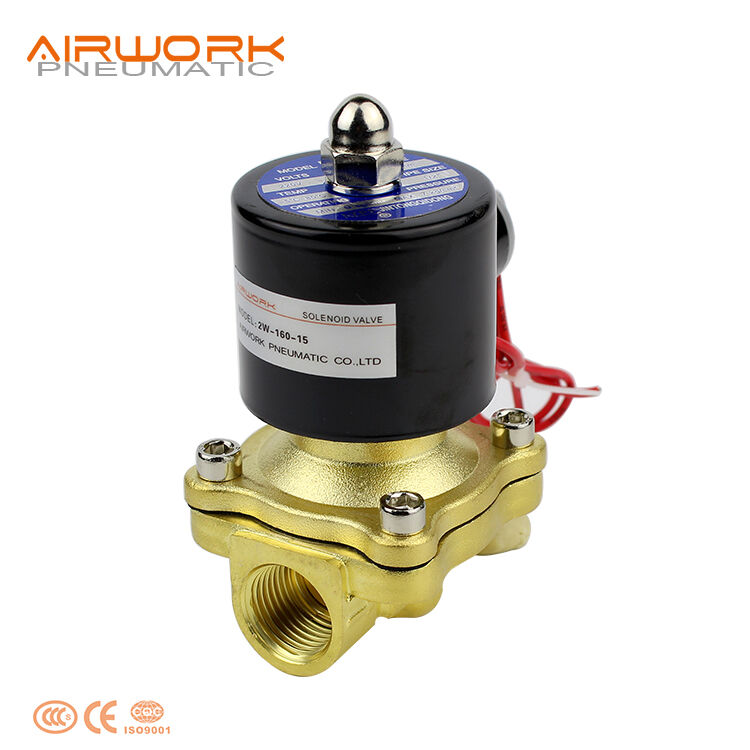
A pneumatic pressure release valve represents a critical safety and control component designed to automatically manage air pressure within pneumatic systems. This sophisticated device operates by monitoring internal system pressure and releasing excess compressed air when predetermined pressure thresholds are exceeded. The pneumatic pressure release valve functions as an essential safeguard that prevents catastrophic system failures, equipment damage, and potential safety hazards in industrial applications. The core mechanism of a pneumatic pressure release valve involves a spring-loaded diaphragm or piston that responds to pressure variations. When system pressure reaches the valve's preset limit, the internal mechanism opens to discharge compressed air, thereby reducing pressure to safe operating levels. Once pressure drops below the threshold, the valve automatically closes to maintain system integrity. This automated response ensures continuous operation without manual intervention. Technological features of the pneumatic pressure release valve include precision-engineered components manufactured from corrosion-resistant materials such as stainless steel, brass, or specialized alloys. Advanced models incorporate adjustable pressure settings, allowing operators to customize release points according to specific system requirements. Many pneumatic pressure release valves feature quick-connect fittings, making installation and maintenance procedures straightforward. Temperature compensation mechanisms ensure consistent performance across varying environmental conditions. Applications for pneumatic pressure release valves span numerous industries including manufacturing, automotive, food processing, pharmaceutical production, and chemical processing. These valves protect air compressors, pneumatic tools, conveyor systems, packaging equipment, and automated machinery. In manufacturing environments, pneumatic pressure release valves maintain optimal pressure levels in assembly line equipment, ensuring product quality and worker safety. The pharmaceutical industry relies on these valves to maintain sterile processing conditions while preventing pressure-related contamination risks. Chemical processing facilities utilize pneumatic pressure release valves to manage volatile substances safely, preventing dangerous pressure buildups that could lead to explosions or toxic releases.

Popular Products

The pneumatic pressure release valve offers numerous practical benefits that directly impact operational efficiency and cost savings for businesses across various industries. These advantages make the pneumatic pressure release valve an indispensable component for maintaining safe and productive work environments. First, the pneumatic pressure release valve provides automatic pressure management that eliminates the need for constant manual monitoring. This automation reduces labor costs while ensuring consistent system performance around the clock. Workers can focus on productive tasks instead of continuously checking pressure gauges and manually adjusting system parameters. The reliability of automatic operation means fewer human errors and more consistent results. Second, the pneumatic pressure release valve significantly reduces equipment maintenance costs by preventing pressure-related damage. Excessive pressure can cause seals to fail, pipes to burst, and machinery components to wear prematurely. By maintaining optimal pressure levels, the pneumatic pressure release valve extends equipment lifespan and reduces replacement frequency. This protection translates to substantial savings on repair bills and equipment downtime. Third, enhanced workplace safety represents a major advantage of the pneumatic pressure release valve. Uncontrolled pressure buildup can create dangerous working conditions, potentially causing injuries or fatalities. The pneumatic pressure release valve acts as a safety barrier that prevents these hazardous situations from developing. This protection helps companies avoid costly liability issues and maintains compliance with safety regulations. Fourth, energy efficiency improvements result from proper pressure management through the pneumatic pressure release valve. Maintaining optimal pressure levels reduces energy waste by preventing compressors from working harder than necessary. Lower energy consumption leads to reduced utility bills and supports environmental sustainability initiatives. The pneumatic pressure release valve helps companies achieve their cost reduction and environmental goals simultaneously. Fifth, the pneumatic pressure release valve improves product quality by maintaining consistent operating conditions. Pressure fluctuations can affect manufacturing processes, leading to defective products and waste. Stable pressure ensures uniform results and reduces rejection rates. This consistency enhances customer satisfaction and protects brand reputation. Sixth, installation and maintenance of the pneumatic pressure release valve require minimal technical expertise. Most units feature straightforward mounting procedures and user-friendly adjustment mechanisms. This simplicity reduces installation costs and makes ongoing maintenance accessible to existing staff without specialized training requirements.

Latest News

Pneumatic fittings used in water

25

Feb

Pneumatic fittings used in water

View More
Basic knowledge of pneumatic air cylinders

25

Feb

Basic knowledge of pneumatic air cylinders

View More
Air Source Treatment Unit:The

25

Feb

Air Source Treatment Unit:The "Guardians" and Core Components of Pneumatic Systems

View More

Get a Free Quote

Our representative will contact you soon.
Email
Name
Company Name
Message
0/1000

pneumatic pressure release valve

Advanced Automatic Pressure Control Technology

Advanced Automatic Pressure Control Technology

The pneumatic pressure release valve incorporates cutting-edge automatic pressure control technology that revolutionizes how industrial facilities manage compressed air systems. This sophisticated technology eliminates guesswork and human error from pressure management by providing precise, real-time responses to pressure variations. The pneumatic pressure release valve utilizes advanced sensing mechanisms that continuously monitor system pressure with remarkable accuracy, typically within one percent of the set point. When pressure approaches dangerous levels, the valve responds instantaneously to prevent catastrophic failures. This automatic control system operates independently of external power sources, making the pneumatic pressure release valve highly reliable even during power outages or electrical system failures. The technology behind the pneumatic pressure release valve includes precision-calibrated springs and diaphragms that provide consistent performance over millions of operating cycles. These components undergo rigorous testing to ensure they maintain their calibration accuracy throughout extended service periods. The automatic control system adapts to varying load conditions, ambient temperatures, and system demands without requiring manual adjustments. This adaptability means the pneumatic pressure release valve continues operating effectively as system requirements change over time. The benefits of this advanced automatic control technology extend beyond basic safety functions. The pneumatic pressure release valve optimizes system efficiency by maintaining pressure within narrow tolerance bands, preventing energy waste associated with pressure fluctuations. This precise control reduces wear on downstream equipment and extends the service life of pneumatic components throughout the system. Manufacturing processes benefit from the consistent pressure delivery that the pneumatic pressure release valve provides, resulting in improved product quality and reduced rejection rates. The automatic control technology also generates significant cost savings through reduced maintenance requirements and extended equipment life. The pneumatic pressure release valve requires minimal attention once properly installed and calibrated, allowing maintenance teams to focus their efforts on other critical systems. The reliability of the automatic control system means fewer emergency repairs and less unplanned downtime, contributing to improved overall equipment effectiveness and productivity levels across industrial operations.
Superior Safety Protection and Compliance Benefits

Superior Safety Protection and Compliance Benefits

The pneumatic pressure release valve delivers unmatched safety protection that exceeds industry standards and helps organizations maintain compliance with stringent safety regulations. This superior safety protection makes the pneumatic pressure release valve an essential component for any facility that prioritizes worker safety and regulatory compliance. The pneumatic pressure release valve functions as the primary defense against catastrophic pressure-related accidents that could result in serious injuries, fatalities, or property damage. The safety mechanisms built into the pneumatic pressure release valve operate independently of electronic controls or external power sources, ensuring protection remains active even during system failures or power outages. This fail-safe design philosophy means the pneumatic pressure release valve continues protecting personnel and equipment under all operating conditions. The valve responds to dangerous pressure conditions within milliseconds, providing rapid protection that prevents pressure buildup from reaching critical levels. The safety protection offered by the pneumatic pressure release valve extends to environmental protection as well. In chemical processing applications, the valve prevents pressure-related releases of hazardous substances that could contaminate surrounding areas or harm local ecosystems. The pneumatic pressure release valve helps facilities maintain their environmental permits and avoid costly cleanup operations or regulatory penalties. Compliance benefits associated with the pneumatic pressure release valve include meeting OSHA requirements, ASME pressure vessel standards, and industry-specific safety codes. The valve carries appropriate certifications and approvals that demonstrate compliance with relevant safety standards. Documentation provided with the pneumatic pressure release valve helps safety managers demonstrate due diligence during regulatory inspections and audits. The pneumatic pressure release valve also supports insurance requirements by providing documented safety measures that may qualify organizations for reduced insurance premiums. Insurance companies recognize the risk reduction benefits of properly installed pneumatic pressure release valves and often offer favorable rates to facilities that implement comprehensive pressure safety systems. The liability protection offered by the pneumatic pressure release valve helps organizations avoid costly lawsuits and regulatory fines that could result from pressure-related accidents. This protection extends to protecting company reputation and maintaining customer confidence in organizational safety practices.
Exceptional Durability and Cost-Effective Operation

Exceptional Durability and Cost-Effective Operation

The pneumatic pressure release valve demonstrates exceptional durability that provides long-term cost-effective operation for industrial facilities seeking reliable pressure management solutions. This exceptional durability stems from premium materials and precision manufacturing processes that ensure the pneumatic pressure release valve withstands harsh operating conditions while maintaining consistent performance over extended service periods. The construction of the pneumatic pressure release valve utilizes corrosion-resistant alloys and specialized coatings that protect against chemical attack, moisture, and environmental contaminants. These materials maintain their structural integrity and functional properties even when exposed to aggressive industrial environments. The pneumatic pressure release valve undergoes extensive testing during manufacturing to verify its ability to withstand millions of operating cycles without degradation in performance or reliability. Component selection for the pneumatic pressure release valve emphasizes longevity and consistent operation. Springs maintain their calibrated tension over years of service, while sealing elements resist wear and maintain tight shutoff capabilities. The precision manufacturing processes used to produce the pneumatic pressure release valve ensure dimensional accuracy and consistent assembly quality that contributes to extended service life. Quality control procedures verify that each pneumatic pressure release valve meets stringent performance standards before shipment. The cost-effective operation of the pneumatic pressure release valve results from its low maintenance requirements and extended service intervals. Unlike complex electronic control systems that require regular calibration and component replacement, the pneumatic pressure release valve operates reliably with minimal attention. Routine maintenance typically involves simple visual inspections and occasional cleaning, activities that existing maintenance personnel can perform without specialized training or expensive diagnostic equipment. The pneumatic pressure release valve reduces total cost of ownership through its ability to prevent costly equipment damage and system downtime. By maintaining optimal pressure levels, the valve prevents premature wear of downstream components and reduces the frequency of expensive repairs or replacements. The reliability of the pneumatic pressure release valve means fewer emergency service calls and reduced overtime labor costs associated with unplanned maintenance activities. Energy efficiency benefits provided by the pneumatic pressure release valve contribute to long-term cost savings through reduced utility bills and improved system efficiency. The valve optimizes system performance while minimizing energy waste, supporting organizational sustainability goals and reducing operating expenses over the equipment's service life.

Get a Free Quote

Our representative will contact you soon.
Email
Name
Company Name
Message
0/1000