 EN
EN

Արդյունաբերական օդի մատակարարման համակարգերը հանդիսանում են աշխարհում անհամար արտադրական, արտադրողական և մշակման գործընթացների հիմքը: Այս բարդ ցանցերը պահանջում են մասնագիտացված բաղադրիչներ՝ արդյունավետ, անվտանգ և հուսալի աշխատանք ապահովելու համար ծանր պայմաններում: Դրանց մեջ ամենակարևորներից են օդի միացման մասերը, որոնք հաճախ անտեսվում են, սակայն որոնք հանդիսանում են անհրաժեշտ միացման տարրեր՝ թույլ տալով սեղմված օդի անխափան հոսքը արդյունաբերական շենքերում ամբողջությամբ: Օդի միացման մասերի օգտագործման պատճառների հասկանալը արդյունաբերական օդի մատակարարման համակարգերում բացահայտում է դրանց հիմնարար նշանակությունը շահագործման արդյունավետությունը, աշխատավայրի անվտանգությունը և ծախսային արդյունավետ արտադրական գործընթացները պահպանելու համար:
Այն պատճառը, որով օդային միացումները օգտագործվում են արդյունաբերական օդի մատակարարման համակարգերում, գերազանցում է պարզ միացման սահմանները: Այս մասնագիտացված բաղադրիչները լուծում են մի շարք ճարտարագիտական խնդիրներ, այդ թվում՝ ճնշման կարգավորումը, հոսքի վերահսկումը, հերմետիկության ապահովումը, համակարգի մոդուլային կառուցվածքը և սպասարկման հասանելիությունը: Եթե օդային միացումները ճիշտ չեն նախագծված, արդյունաբերական պնևմատիկ համակարգերը կունենան անարդյունավետ էներգաօգտագործում, անվտանգության վտանգներ, սպասարկման դժվարություններ և, վերջապես, արտադրողականության նվազում: Համապատասխան օդային միացումների ռազմավարական կիրառումը ուղղակիորեն ազդում է շահագործման ծախսերի, սարքավորումների աշխատանքային ժամանակի և արդյունաբերական միջավայրերում համակարգի ընդհանուր կատարողականության վրա:
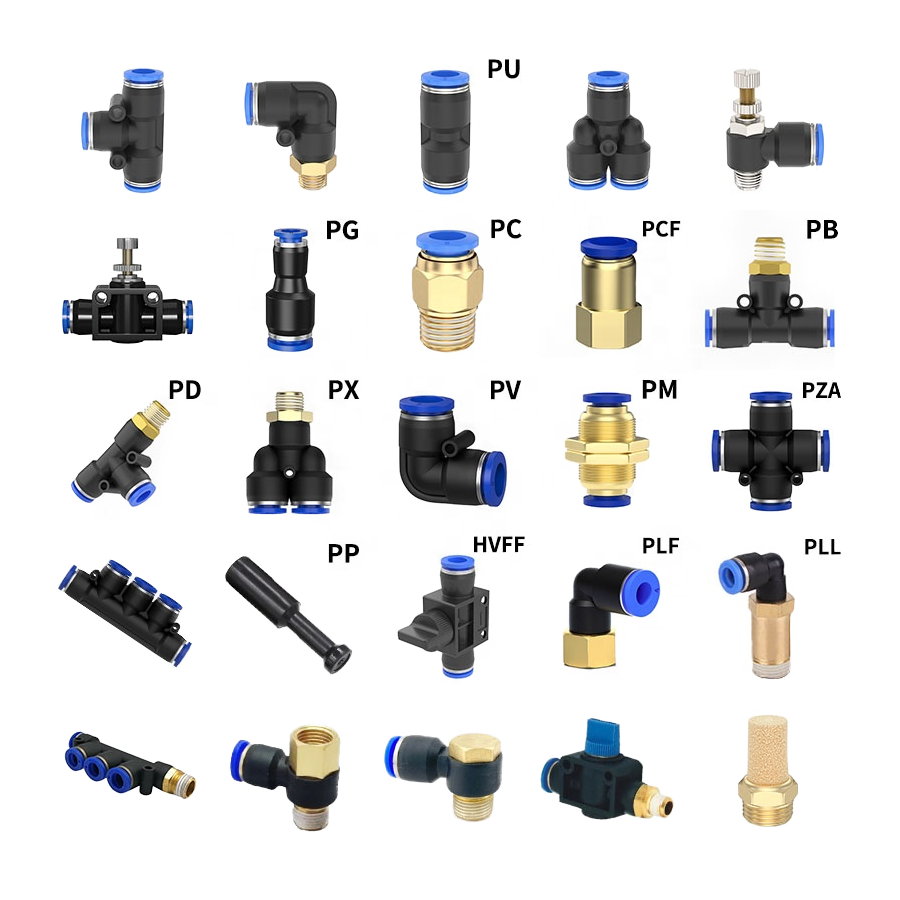
Համակարգի միացվածություն և հոսքի կառավարում
Օդի անխափան բաշխման ապահովում
Օդային միացումները ծառայում են որպես հիմնարար միացման կետեր, որոնք թույլ են տալիս սեղմված օդին կոմպրեսորներից բաշխման ցանցերի միջոցով տեղափոխվել վերջնական օգտագործման սարքավորումներ: Արդյունաբերական օդի մատակարարման համակարգերում օդային միացումների օգտագործման պատճառը սկսվում է խողովակների, ճկախողովակների, փականների և պնևմատիկ գործիքների միջև անվտանգ, արտահոսքից պաշտպանված միացումներ ստեղծելու դրանց ունակությունից: Այս միացումները պետք է դիմակայեն զգալի ճնշման տատանումներին, ջերմաստիճանի տատանումներին և մեխանիկական լարվածությանը՝ պահպանելով օդի հոսքի կայուն բնութագրերը:
Արդյունաբերական համալիրները սովորաբար շահագործում են բարդ պնևմատիկ ցանցեր, որոնք ձգվում են հարյուրավոր կամ հազարավոր ոտնաչափ, և որոնք պահանջում են բազմաթիվ միացման կետեր՝ օդի մատակարարումը ճյուղավորելու տարբեր աշխատանքային գոտիներ, արտադրական գծեր և սարքավորումների կայաններ։ Օդի միացման մասերը ապահովում են մեխանիկական ինտերֆեյսը, որը հնարավորություն է տալիս համակարգի նախագծողներին ստեղծել հատուկ մարշրուտավորման կոնֆիգուրացիաներ՝ միաժամանակ ապահովելով, որ յուրաքանչյուր միացում պահպանի ճիշտ ճնշման ցուցանիշներն ու հոսքի հզորությունը։ Այս կապի ֆունկցիան անհրաժեշտ է, քանի որ նույնիսկ միացման կետերում առաջացած նվազագույն օդի արտահոսքը կարող է հանգեցնել զգալի էներգիայի կորուստների և համակարգի արդյունավետության նվազման։
Արագ անջատման և կրկին միացման հեշտացում
Ժամանակակից արդյունաբերական գործողությունները պահանջում են սարքավորումների կոնֆիգուրացման և սպասարկման հասանելիության ճկունություն: Օդային միացումները, մասնավորապես՝ արագ միացման և արագ անջատման տիպի միացումները, հնարավորություն են տալիս շահագործողներին արագ վերակազմավորել պնևմատիկ համակարգերը՝ առանց երկարատև կանգառների կամ մասնագիտացված գործիքների: Այս հնարավորությունը բացատրում է, թե ինչու են օդային միացումները օգտագործվում արդյունաբերական օդի մատակարարման համակարգերում, որտեղ արտադրական գրաֆիկները պահանջում են հաճախակի սարքավորումների փոփոխություն, գործիքների փոխարինում կամ սպասարկման գործողություններ:
Արագ միացման ֆունկցիոնալությունը նվազեցնում է համակարգի փոփոխությունների հետ կապված աշխատավարձի ծախսերը՝ միաժամանակ նվազեցնելով արտադրության ընդհատումները: Աշխատողները կարող են անջատել պնևմատիկ գործիքները սպասարկման համար, տեղափոխել սարքավորումները տարբեր աշխատանքային կետեր, կամ ժամանակավորապես անջատել համակարգի որոշակի հատվածներ՝ առանց բարդ ընթացակարգերի կամ մասնագիտացված տեխնիկական գիտելիքների անհրաժեշտության: Այս շահագործման ճկունությունը ուղղակիորեն նպաստում է արդյունաբերական ձեռնարկություններում արտադրողականության բարելավմանը և սպասարկման ծախսերի նվազեցմանը:
Ճնշման կարգավորում և համակարգի անվտանգություն
Ճնշման տատանումների կառավարում
Արդյունաբերական օդի մատակարարման համակարգերը աշխատում են տարբեր ճնշման պայմաններում՝ կախված սարքավորումների պահանջներից, համակարգի բեռնվածությունից և շահագործման պահանջներից: Օդի միացման մասերը ներառում են ճնշման կարգավորման հատկանիշներ, որոնք օգնում են ապահովել ստորին հատվածի սարքավորումներին հաստատուն ճնշման մատակարարում՝ միաժամանակ պաշտպանելով այն գերճնշման պայմաններից: Արդյունաբերական օդի մատակարարման համակարգերում օդի միացման մասերի կիրառման պատճառները հասկանալու համար անհրաժեշտ է ճանաչել դրանց դերը ճնշման կառավարման և համակարգի պաշտպանության մեջ:
Մասնագիտացված օդային միացումները ներառում են ինտեգրված ճնշման թույլատրելի արձակման մեխանիզմներ, հոսքի սահմանափակման հնարավորություններ և ճնշման մոնիտորինգի միացումներ, որոնք թույլ են տալիս ճշգրիտ վերահսկել օդի մատակարարման բնութագրերը: Այս հատկանիշները կանխում են սարքավորումների վնասումը՝ առաջացած չափից շատ ճնշման պատճառով, միաժամանակ ապահովելով անհրաժեշտ ճնշման մակարդակը՝ գործիքների օպտիմալ աշխատանքի համար: Ճնշման կարգավորման ֆունկցիան հատկապես կարևոր է այն դեպքերում, երբ մեկ և նույն բաշխման համակարգում տարբեր պնևմատիկ սարքերի համար անհրաժեշտ են տարբեր շահագործման ճնշումներ:
Կատաստրոֆիկ համակարգային ավարիաների կանխում
Անվտանգության հարցերը հանդիսանում են առաջնային պատճառ՝ օդային միացումների օգտագործման համար արդյունաբերական օդի մատակարարման համակարգերում: Սեղմված օդի համակարգերը պահպանում են զգալի էներգիա, որը կարող է առաջացնել լուրջ վնասվածքներ կամ սարքավորումների վնասում, եթե այն անվերահսկելի կերպով ազատվի: Ճիշտ նախագծված օդային միացումները ներառում են անվտանգության հատկանիշներ, այդ թվում՝ վերահսկվող օդի դուրսբերում, ինքնաշխատ անջատման մեխանիզմներ և անվտանգության երաշխավորված նախագծման սկզբունքներ, որոնք նվազեցնում են համակարգի անձեռնմեխ աշխատանքի կամ սխալ օգտագործման հետ կապված ռիսկերը:
Անվտանգությանը նախատեսված օդային միացումները կանխում են ճնշման տակ պատահական անջատումը, ապահովում են վերահսկվող ճնշման իջեցում անջատման անհրաժեշտության դեպքում և ներառում են տեսանելի կամ լսելի ցուցանիշներ, որոնք զգուշացնում են շահագործողներին համակարգի վիճակի մասին: Այս անվտանգության հատկանիշները պաշտպանում են աշխատողներին բարձր ճնշման տակ գտնվող օդի ազդեցությունից՝ միաժամանակ կանխելով ճնշման հանկարծակի կորուստը, որը կարող է վնասել զգայուն սարքավորումները կամ խաթարել կրիտիկական արտադրական գործընթացները:
Տեխնիկական սպասարկման արդյունավետություն և համակարգի հուսալիություն
Օրական սպասարկման ընթացակարգերի պարզեցում
Պատկերացումները սովորական սպասարկումը կարևոր շահագործման ծախս է արդյունաբերական համալիրներում, ինչը սպասարկման հասանելիությունը դարձնում է կարևոր նախագծման հաշվի առնելիք գործոն: Արդյունաբերական օդամատակարարման համակարգերում օդային միացումների օգտագործման պատճառներից մեկն այն է, որ դրանք հնարավորություն են տալիս կատարել սովորական սպասարկման աշխատանքներ, ինչպես օրինակ՝ ֆիլտրերի փոխարինումը, փականների սպասարկումը և համակարգի մաքրումը՝ առանց համակարգի երկարատև անջատման կամ մասնագիտացված սարքավորումների անհրաժեշտության:
Շատ հարմար տեղադրված օդային միացումները թույլ են տալիս սպասարկման տեխնիկներին անջատել համակարգի որոշակի հատվածներ, դուրս թափել խտացումը, կատարել բաղադրիչների փորձարկում և կատարել կանխարգելիչ սպասարկման միջոցառումներ՝ նվազագույն ազդեցությամբ ընդհանուր շահագործման վրա: Այս հասանելիությունը նվազեցնում է սպասարկման աշխատավարձի ծախսերը՝ միաժամանակ հնարավորություն տալով ավելի հաճախակի սպասարկման ընդմիջումներ կազմակերպել, ինչը բարելավում է համակարգի հավաստիությունը և երկարացնում սարքավորումների ծառայության ժամկետը: Ճիշտ միացումների ընտրությունը և տեղադրումը կարող է բարդ սպասարկման ընթացակարգերը վերածել սովորական աշխատանքների, որոնք կարող են կատարել ստանդարտ սպասարկման անձնակազմի անդամները:
Համակարգի ախտորոշման և խափանումների վերացման հնարավորության ապահովում
Ժամանակակից արդյունաբերական օդի մատակարարման համակարգերը պահանջում են բարդ ախտորոշման հնարավորություններ՝ աշխատանքային ցուցանիշների խանգարումները հայտնաբերելու, համակարգի խնդիրները տեղայնացնելու և շահագործման արդյունավետությունը օպտիմալացնելու համար: Օդի միացման միջոցները ապահովում են ախտորոշման սարքավորումների համար մուտք՝ ներառյալ ճնշման չափիչներ, հոսքի չափիչներ, օդի որակի վերլուծատողներ և հատակային հոսքի հայտնաբերման սարքեր: Այս ախտորոշման հասանելիությունը բացատրում է, թե ինչու են օդի միացման միջոցները օգտագործվում արդյունաբերական օդի մատակարարման համակարգերում, որտեղ աշխատանքային ցուցանիշների վերահսկումը և խափանումների վերացման հնարավորությունները անհրաժեշտ են:
Շտապախտանագիտական ուղղվածությամբ օդային միացումները թույլ են տալիս իրական ժամանակում հսկել համակարգի վիճակը՝ միաժամանակ ապահովելով ժամանակավոր փորձարկման սարքավորումների միացման կետեր խնդիրների լուծման ընթացքում: Այս հնարավորությունը հնարավորություն է տալիս շենքի կառավարիչներին հայտնաբերել առաջացող խնդիրները՝ մինչև դրանք առաջացնեն սարքավորումների անսարքություն կամ արտադրության ընդհատում: Օդային միացումների շտապախտանագիտական ֆունկցիան աջակցում է կանխատեսող սպասարկման ռազմավարություններին, որոնք նվազեցնում են անսպասելի անաշխատունակությունը և ժամանակի ընթացքում օպտիմալացնում են համակարգի աշխատանքային ցուցանիշները:
Ծախսերի արդյունավետություն և էներգիայի խնայողություն
Օդի հատումների և էներգիայի կորուստների նվազեցում
Էներգիայի ծախսերը կազմում են արդյունաբերական օդամատակարարման համակարգերի շահագործման ծախսերի զգալի մաս, ինչը հատուկ կարևորություն է տալիս հատուկ ուշադրություն դարձնելու այն հարցին, որ օդի հատումները կանխվեն: Բարձրորակ օդային միացման մասերը, որոնք ունեն ճիշտ կնքման մեխանիզմներ, նշանակալիորեն նվազեցնում են միացման կետերում օդի հատումները, ինչը ուղղակիորեն ազդում է էներգիայի սպառման և շահագործման ծախսերի վրա: Այս էներգիայի խնայողության ֆունկցիան ցույց է տալիս, թե ինչու են օդային միացման մասերը օգտագործվում արդյունաբերական օդամատակարարման համակարգերում, որտեղ առաջնային նպատակներն են շահագործման արդյունավետությունը և ծախսերի վերահսկումը:
Նույնիսկ փոքր օդային հատումները ժամանակի ընթացքում կարող են հանգեցնել էներգիայի զգալի կորուստների, քանի որ սեղմարարները ստիպված են անընդհատ աշխատել՝ համակարգի ճնշումը պահպանելու համար՝ շարունակական կորուստների դեմ: caրագ օդային միացման մասերը ներառում են առաջադեմ կնքման տեխնոլոգիաներ, ճշգրտված արտադրական թույլատրելի շեղումներ և մշակման համար կայուն նյութեր, որոնք երկար ծառայության ժամանակահատվածում պահպանում են հատումներից ազատ աշխատանքը: Բարձրորակ օդային միացման մասերի ներդրումը սովորաբար արագ վերադառնում է՝ էներգիայի ծախսերի նվազեցման և համակարգի արդյունավետության բարելավման շնորհիվ:
Երկարաժամկետ շահագործման ծախսերի նվազեցում
Ճարտարապետական միացումների ընտրությունն ու իրականացումը ուղղակիորեն ազդում է երկարաժամկետ շահագործման ծախսերի վրա՝ մի շարք մեխանիզմների միջոցով, այդ թվում՝ սպասարկման պահանջների, էներգիայի սպառման, սարքավորումների աշխատանքային ժամանակի և փոխարինման հաճախականության միջոցով: Արդյունաբերական օդամատակարարման համակարգերում օդային միացումների կիրառման պատճառները հասկանալու համար անհրաժեշտ է դիտարկել դրանց դերը համակարգի ընդհանուր տնտեսական ցուցանիշներում և կյանքի ցիկլի ընդհանուր ծախսերի օպտիմալացման մեջ:
Բարձրորակ օդային միացումները նվազեցնում են սպասարկման աշխատանքային ծախսերը՝ բարելավելով համակարգի հուսալիությունը և պարզեցնելով սպասարկման գործընթացները, միաժամանակ նվազեցնելով բաղադրիչների փոխարինման ծախսերը՝ երկարացնելով դրանց աշխատանքային ժամանակը: Այլ կերպ ասած՝ ճիշտ միացումների ընտրությունը կարող է բարելավել համակարգի ընդհանուր արդյունավետությունը, նվազեցնել սեղմիչի աշխատանքի ժամանակը և կապված էներգիայի ծախսերը: « Ինչու՞ են օդային միացումները օգտագործվում արդյունաբերական օդի մատակարարման համակարգերում: »-ի տնտեսական առավելությունները չեն սահմանափակվում սկզբնական տեղադրման ծախսերով, այլ ընդգրկում են ընդհանուր սեփականատիրային ծախսերի հաշվարկը, որոնք տարիներ շարունակ ազդում են արտադրամասի շահավետության վրա:
Հաճախադեպ տրվող հարցեր
Ի՞նչ տեսակի օդային միացումներ են ամենահաճախ օգտագործվում արդյունաբերական օդամատակարարման համակարգերում:
Արդյունաբերական կիրառումներում ամենաշատ օգտագործվող սեղմված օդի միացումները ներառում են արագ միացման զույգեր՝ գործիքների արագ փոխարինման համար, մետաղալարավորված միացումներ՝ մշտական միացումների համար, սեղմելով միացնելու միացումներ՝ հեշտ տեղադրման համար և հատուկ անվտանգության միացումներ, որոնք կանխում են ճնշման տակ պատահական անջատումը: Ընտրությունը կախված է կոնկրետ կիրառման պահանջներից, այդ թվում՝ ճնշման գնահատականներից, միացման հաճախականությունից և անվտանգության հարցերից:
Ինչպե՞ս են սեղմված օդի միացումները նպաստում արդյունաբերական միջավայրերում աշխատավայրի անվտանգությանը:
Սեղմված օդի միացումները բարձրացնում են աշխատավայրի անվտանգությունը մի շարք մեխանիզմների միջոցով, այդ թվում՝ անջատման ժամանակ վերահսկվող ճնշման ազատագործումը, ճնշման տակ պատահական անջատման կանխումը, անվտանգության արգելափակման հատկանիշների ինտեգրումը և տեսանելի կամ լսելի անվտանգության ցուցիչների ապահովումը: Այս անվտանգության հատկանիշները պաշտպանում են աշխատողներին բարձր ճնշման տակ գտնվող օդի ազդեցությունից և կանխում են սարքավորումների վնասվածքը՝ վերահսկվող ճնշման ազատագործման պատճառով:
Ինչ պահպանման հարցեր են կիրառվում արդյունաբերական օդի մատակարարման համակարգերում օդի միացման մասերի նկատմամբ?
Օդի միացման մասերի պահպանումը ներառում է մշտադիտելի ստուգում մաշվածության և վնասվածքների վերաբերյալ, սեղմման մասերի պարբերաբար փոխարինում, ճիշտ միացման մոմենտի ստուգում և անվտանգության առանձնահատկությունների փորձարկում: Պահպանման գրաֆիկները պետք է հաշվի առնեն շահագործման ճնշումը, շրջակա միջավայրի պայմանները և միացման հաճախականությունը՝ ապահովելու համակարգի օպտիմալ աշխատանքը և անվտանգությունը միացման մասերի աշխատանքային ժամկետի ընթացքում:
Ինչպե՞ս են օդի միացման մասերը ազդում արդյունաբերական օդի մատակարարման համակարգերի ընդհանուր արդյունավետության վրա:
Օդի միացման մասերը ազդում են համակարգի արդյունավետության վրա՝ կանխելով հատակային արտահոսքերը, կարգավորելով ճնշումը, օպտիմալացնելով հոսքը և հեշտացնելով պահպանումը: Բարձրորակ միացման մասերը, որոնք ունեն ճիշտ սեղմման հատկություններ, նվազեցնում են օդի արտահոսքի պատճառով էներգիայի կորուստը, իսկ ճիշտ չափսերով և նախագծված միացման մասերը նվազեցնում են ճնշման անկումները, որոնք ստիպում են սեղմիչներին ավելի շատ աշխատել: Ավելին, միացման մասերը, որոնք հեշտացնում են պահպանումը, օգնում են պահպանել համակարգի օպտիմալ աշխատանքը ժամանակի ընթացքում:
Բովանդակության ցուցակ
- Համակարգի միացվածություն և հոսքի կառավարում
- Ճնշման կարգավորում և համակարգի անվտանգություն
- Տեխնիկական սպասարկման արդյունավետություն և համակարգի հուսալիություն
- Ծախսերի արդյունավետություն և էներգիայի խնայողություն
-
Հաճախադեպ տրվող հարցեր
- Ի՞նչ տեսակի օդային միացումներ են ամենահաճախ օգտագործվում արդյունաբերական օդամատակարարման համակարգերում:
- Ինչպե՞ս են սեղմված օդի միացումները նպաստում արդյունաբերական միջավայրերում աշխատավայրի անվտանգությանը:
- Ինչ պահպանման հարցեր են կիրառվում արդյունաբերական օդի մատակարարման համակարգերում օդի միացման մասերի նկատմամբ?
- Ինչպե՞ս են օդի միացման մասերը ազդում արդյունաբերական օդի մատակարարման համակարգերի ընդհանուր արդյունավետության վրա: