Невероятна тривалість і низькі вимоги до обслуговування
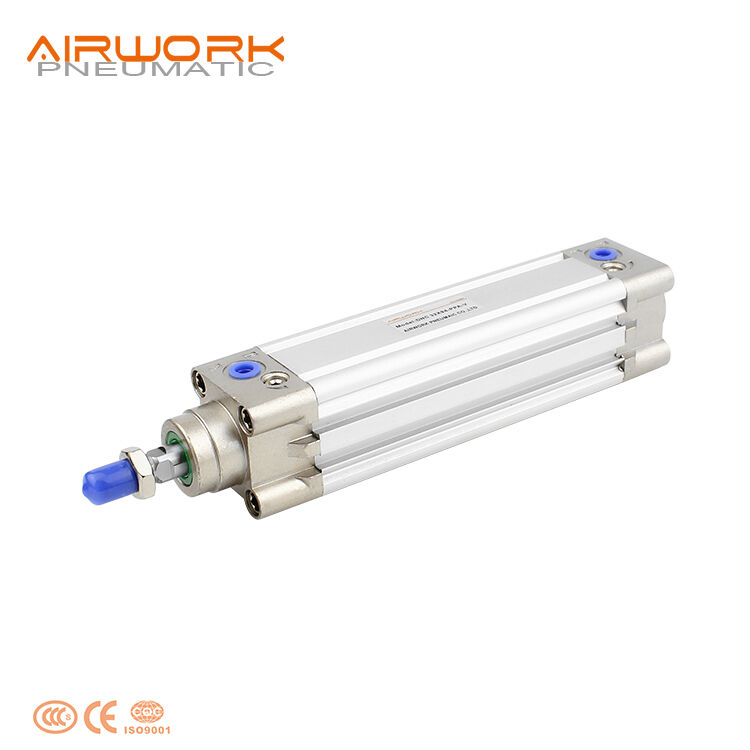
Виняткова тривалість служби та мінімальні вимоги до технічного обслуговування визначають експлуатаційну високу ефективність технології високотискових повітряних циліндрів, забезпечуючи стабільну продуктивність, що суттєво знижує загальні витрати на власництво й одночасно максимізує час безперервної роботи виробництва. Міцна методологія виготовлення цих циліндрів передбачає застосування преміальних матеріалів та передової металургії, які витримують мільйони робочих циклів у надзвичайних умовах без будь-якого погіршення характеристик. Спеціалізовані ущільнювальні системи, вбудовані в кожен високотисковий повітряний циліндр, включають інженерні полімери та передові геометрії ущільнень, що зберігають герметичність під тиском протягом тривалих інтервалів експлуатації й водночас стійкі до зносу, спричиненого забрудненням та екстремальними температурами. Конструкція високотискового повітряного циліндра передбачає самозмащувальні поверхні підшипників та низькофрикційні направляючі системи, що усувають необхідність частого змащення й значно зменшують швидкість внутрішнього зносу порівняно зі звичайними пневматичними циліндрами. Корозійностійкість, досягнута завдяки передовим методам обробки поверхонь та захисним покриттям, забезпечує збереження структурної цілісності й естетичного вигляду високотискового повітряного циліндра навіть у агресивних промислових середовищах, що містять вологу, хімікати чи абразивні частинки. Процедури контролю якості, реалізовані під час виробництва, гарантують, що кожен високотисковий повітряний циліндр відповідає жорстким стандартам продуктивності та розмірним допускам, що сприяє подовженню терміну експлуатації й забезпечує стабільні експлуатаційні характеристики. Модульна конструкція компонентів дозволяє вибіркову заміну зношених деталей без повного розбирання циліндра, скорочуючи час і витрати на технічне обслуговування та продовжуючи термін корисної експлуатації встановлених високотискових повітряних циліндрів. Підвищені робочі тискові характеристики, притаманні технології високотискових повітряних циліндрів, фактично сприяють подовженню терміну служби ущільнень: вищий тиск створює більш ефективні ущільнювальні поверхні, які краще запобігають проникненню забруднень і зберігають чистоту внутрішнього середовища. Графіки профілактичного технічного обслуговування систем високотискових повітряних циліндрів, як правило, передбачають значно довші інтервали порівняно з гідравлічними аналогами, що зменшує витрати на робочу силу й мінімізує перерви виробництва через планове обслуговування. Можливості обслуговування на місці залишаються відмінними завдяки стандартизованим інтерфейсам компонентів та легко доступним запасним частинам, що забезпечує швидке обслуговування систем високотискових повітряних циліндрів звичайним персоналом технічного обслуговування за допомогою звичайного інструменту. Функції стійкості до навколишнього середовища, закладені в конструкцію високотискових повітряних циліндрів, дозволяють їх експлуатацію в складних умовах — включаючи екстремальні температури, вібрацію, ударні навантаження та вплив промислових хімікатів — без втрати надійності й без потреби в спеціальних заходах захисту.

 EN
EN