 EN
EN

Automation lines represent the backbone of modern manufacturing, and their efficiency directly impacts production capacity, cost control, and competitive advantage. Within these complex systems, pneumatic fittings serve as critical connectors that enable seamless air flow, rapid component response, and reliable operation across thousands of production cycles. Understanding how pneumatic fittings enhance efficiency in automation lines is essential for facility managers, plant engineers, and procurement professionals who need to optimize system performance and minimize costly downtime.
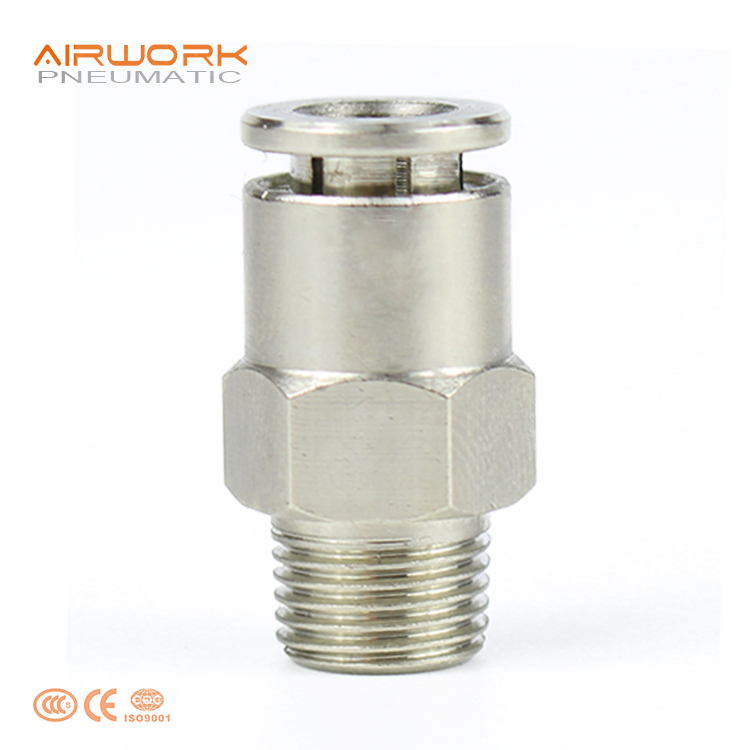
The role of pneumatic fittings extends far beyond simple connection points. These precision-engineered components control pressure stability, prevent air leakage, facilitate rapid disconnection for maintenance, and ensure consistent performance under demanding industrial conditions. When selected and installed correctly, pneumatic fittings substantially reduce energy waste, extend equipment lifespan, and create a foundation for predictable, scalable production. This article explores the specific mechanisms through which pneumatic fittings drive efficiency gains in automation environments.
Direct Performance Impact of Pneumatic Fittings on Automation Lines
Minimizing Air Leakage and Pressure Loss
Air leakage represents one of the most significant hidden efficiency drains in pneumatic systems. Even small gaps at connection points can allow compressed air to escape, forcing compressors to work harder and longer to maintain system pressure. High-quality pneumatic fittings feature precision threads, reliable sealing surfaces, and tight tolerances that virtually eliminate micro-leaks. By using properly designed pneumatic fittings, automation lines maintain stable pressure throughout the system, allowing actuators, solenoids, and control valves to respond with predictable force and speed. This pressure consistency translates directly into faster cycle times and reduced energy consumption.
Enabling Rapid Component Response
In fast-paced automation environments, response time is measured in milliseconds. Pneumatic fittings with optimized flow paths and minimal internal restrictions ensure that control signals reach actuators instantly. Superior pneumatic fittings reduce dead volume within connection assemblies, allowing air to reach working elements without delay. This responsiveness becomes critical in conveyor systems, robotic arms, pick-and-place operations, and multi-stage assembly lines where timing synchronization determines throughput and product quality. When pneumatic fittings fail to deliver this responsiveness, entire production sequences fall out of sync, creating bottlenecks and rejected parts.
Reliability and Downtime Reduction Through Advanced Pneumatic Fittings
Preventing System Failures and Emergency Shutdowns
Unplanned downtime in automation lines costs manufacturers thousands of dollars per hour. Pneumatic fittings that incorporate robust design features, corrosion-resistant materials, and fail-safe mechanisms play a central role in preventing catastrophic system failures. When pneumatic fittings are selected for their durability and rated for the specific pressure and flow demands of the application, the risk of sudden disconnection, rupture, or internal blockage drops dramatically. Automation lines equipped with premium pneumatic fittings experience significantly fewer emergency stops, fewer maintenance calls, and fewer quality escapes caused by system instability.
Simplifying Maintenance and Component Swaps
Regular maintenance and equipment replacement are inescapable realities in manufacturing. The best pneumatic fittings incorporate quick-disconnect features, color-coded designs, and standardized thread profiles that allow technicians to swap components efficiently without specialized tools or extended system shutdowns. Modular pneumatic fittings reduce the time required to diagnose problems, isolate faulty sections, and restore full operation. This maintainability advantage compounds over months and years, as automation line operators spend less time troubleshooting and more time producing. Additionally, pneumatic fittings designed for repeated connect-disconnect cycles maintain seal integrity far longer than budget alternatives, preserving reliability through the entire equipment lifecycle.
Energy Efficiency and Cost Optimization via Pneumatic Fittings
Reducing Overall Compressed Air Energy Demand
Compressed air is one of the most expensive utilities in manufacturing, yet many facilities lose 20 to 30 percent of generated pressure through system inefficiencies. Poor-quality pneumatic fittings accelerate this waste by allowing continuous micro-leaks, forcing compressors to cycle more frequently and consume more electricity. Strategic selection of pneumatic fittings with superior sealing technology, low-friction internal passages, and pressure-rated components directly reduces the energy signature of automation lines. Over a year, this efficiency gain translates into measurable reductions in utility bills, carbon footprint, and operational overhead. Many facilities that upgrade their pneumatic fittings report energy savings between 10 and 15 percent without modifying any other system parameters.
Supporting Scalability and Future Automation Upgrades
As production demands evolve, automation lines must adapt and expand. Pneumatic fittings that conform to ISO standards, support higher pressure ratings, and accommodate larger flow volumes create a foundation for scalable system architecture. When existing pneumatic fittings are undersized or inflexible, upgrading to handle increased capacity requires complete system re-plumbing, creating expensive delays. Conversely, forward-thinking facility teams select pneumatic fittings that exceed current requirements, allowing future modules and high-speed operations to be added without replacing foundational infrastructure. This scalability philosophy reduces long-term capital expenditure and preserves investment value as business needs change.
FAQ
What are the main types of pneumatic fittings used in automation lines?
Pneumatic fittings come in several primary categories, including straight connectors, elbow adapters, tee junctions, manifold blocks, and quick-disconnect couplers. Straight pneumatic fittings connect two components in line, elbow pneumatic fittings change flow direction, and tee pneumatic fittings split or combine flow paths. Quick-disconnect pneumatic fittings allow rapid separation without air loss, while manifold pneumatic fittings consolidate multiple connections in compact assemblies. Automation lines typically employ combinations of all these types to create flexible, modular air distribution networks. Selecting the right pneumatic fittings for each application point ensures optimal flow, minimal pressure drop, and reliable performance.
How often should pneumatic fittings be inspected and replaced?
Pneumatic fittings should be visually inspected quarterly for signs of corrosion, micro-cracks, or loose connections, with detailed pressure testing performed annually. Most high-quality pneumatic fittings last three to five years under normal operating conditions, but aggressive environments, high-frequency cycles, or extreme temperatures may shorten this window. If pneumatic fittings show visible damage, leak continuously, or fail to maintain system pressure, they should be replaced immediately to prevent cascading failures. Preventive replacement of pneumatic fittings every three years, even if no obvious problems exist, is a best practice that eliminates unexpected downtime and preserves automation line productivity. Keeping spare pneumatic fittings on hand ensures that maintenance teams can respond to emergency situations without long equipment delays.
What specifications should be prioritized when selecting pneumatic fittings for high-speed automation?
For high-speed automation lines, pneumatic fittings must prioritize low internal dead volume, pressure ratings at least 25 percent above peak system demands, and flow capacity that exceeds maximum required throughput. The connection thread type—whether metric, NPTF, or BSPP—must match all interfacing components to ensure leak-free seals. Material selection is equally critical; stainless steel pneumatic fittings resist corrosion and contamination far better than brass or zinc alternatives, extending lifespan in harsh factory environments. Quick-disconnect pneumatic fittings should feature integrated check valves that prevent air loss and system pressure fluctuations during component swaps. By aligning pneumatic fittings specifications with the specific demands of high-speed automation equipment, engineers create systems that deliver sustained performance, minimal downtime, and predictable operating costs.