Pneumatic Directional Valve: Complete Guide to Functions, Benefits & Applications

All Categories

pneumatic directional valve

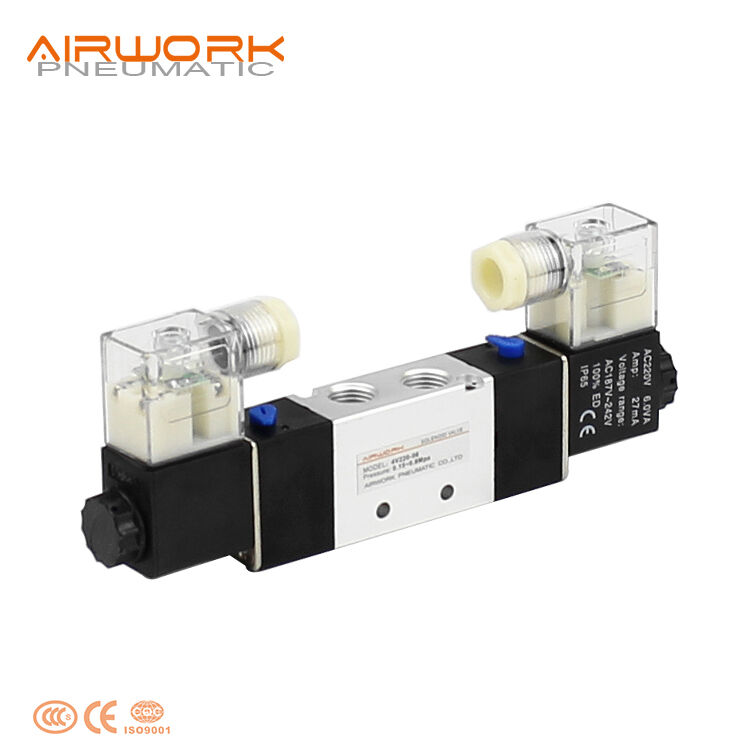
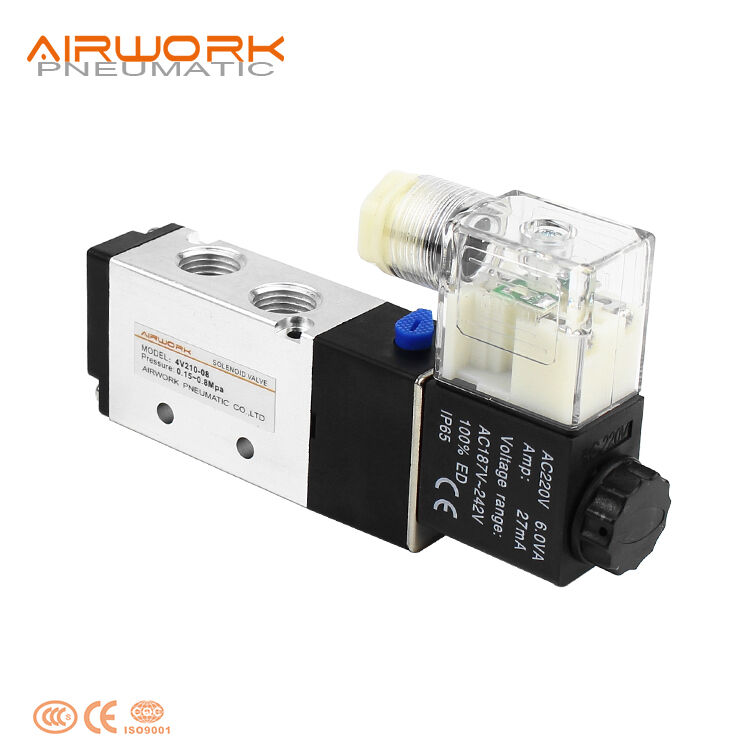
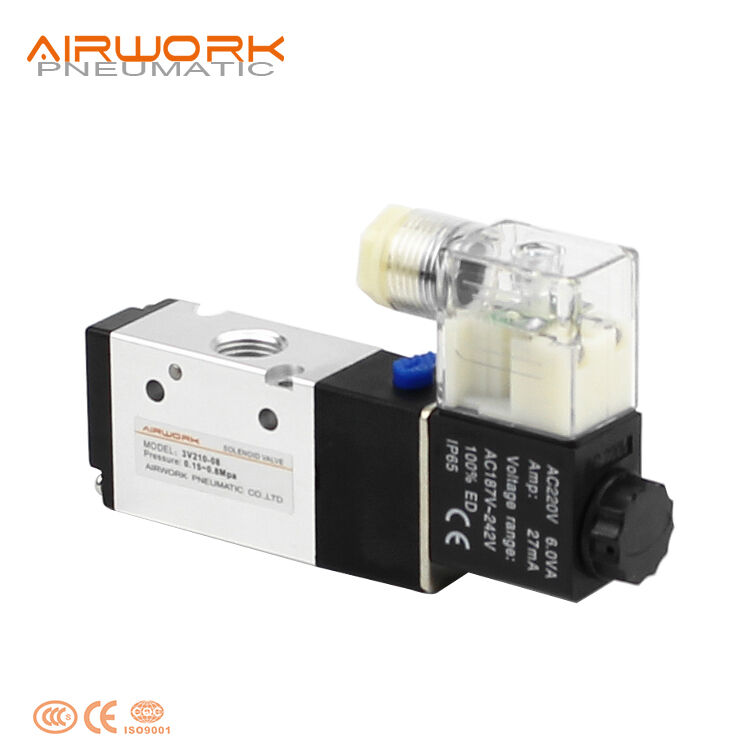
A pneumatic directional valve serves as a critical control component in compressed air systems, regulating the flow direction and distribution of pressurized air to various pneumatic actuators and devices. This essential valve operates by redirecting compressed air through different pathways, enabling precise control of pneumatic cylinders, motors, and other air-powered equipment. The pneumatic directional valve functions as the brain of pneumatic circuits, determining when and where compressed air flows within complex automation systems. These valves utilize mechanical, electrical, or pilot-operated mechanisms to change air flow paths, making them indispensable for industrial automation applications. The core functionality revolves around switching between multiple flow positions, typically ranging from two-way to five-way configurations, allowing operators to control movement direction, start and stop operations, and manage air pressure distribution effectively. Modern pneumatic directional valve designs incorporate advanced sealing technologies, ensuring minimal air leakage and maximum operational efficiency. The valve body houses internal spools or poppets that move to create or block air passages, while spring mechanisms provide return forces for proper positioning. Technological features include quick-connect fittings for easy installation, adjustable flow rates for fine-tuning system performance, and robust construction materials that withstand harsh industrial environments. Many pneumatic directional valve units feature modular designs, allowing engineers to customize configurations based on specific application requirements. Electronic control options enable integration with programmable logic controllers and automated systems, enhancing operational flexibility. These valves find extensive applications across manufacturing, packaging, material handling, automotive assembly, food processing, and pharmaceutical industries. Their reliability and precise control capabilities make pneumatic directional valve systems ideal for repetitive operations requiring consistent performance and minimal maintenance requirements.

New Product Releases

The pneumatic directional valve offers numerous practical benefits that make it an excellent choice for industrial automation and control systems. First, these valves provide exceptional reliability and durability, operating consistently under demanding conditions without frequent maintenance requirements. The simple mechanical design means fewer moving parts that can wear out, resulting in extended service life and reduced downtime costs for your operations. Installation becomes straightforward with pneumatic directional valve systems, as they require minimal setup time and can integrate seamlessly with existing pneumatic infrastructure. This ease of installation translates to lower labor costs and faster project completion times. Operating costs remain low because pneumatic directional valve units consume minimal energy compared to electric alternatives, using only compressed air that many facilities already have available. The response time of pneumatic directional valve systems exceeds that of hydraulic systems, providing instant activation and precise control when you need it most. Maintenance requirements stay minimal due to the robust construction and simple operating principles, reducing both scheduled and unexpected repair expenses. Safety benefits include explosion-proof operation in hazardous environments where electrical components might pose risks, making pneumatic directional valve systems ideal for chemical processing, paint booths, and other potentially dangerous applications. Temperature tolerance allows these valves to function effectively in extreme hot or cold conditions where other control systems might fail. The pneumatic directional valve delivers consistent performance across wide temperature ranges without requiring special heating or cooling systems. Flexibility in application means you can use the same valve types across multiple projects and systems, standardizing your inventory and reducing procurement complexity. Speed control becomes precise with pneumatic directional valve systems, allowing operators to adjust cycle times and movement speeds to match production requirements exactly. Environmental benefits include clean operation without oil contamination risks, making pneumatic directional valve systems perfect for food processing, pharmaceutical manufacturing, and other clean room applications. Cost-effectiveness extends beyond initial purchase price to include operational savings, maintenance benefits, and extended equipment life, providing excellent return on investment for your automation projects.

Tips And Tricks

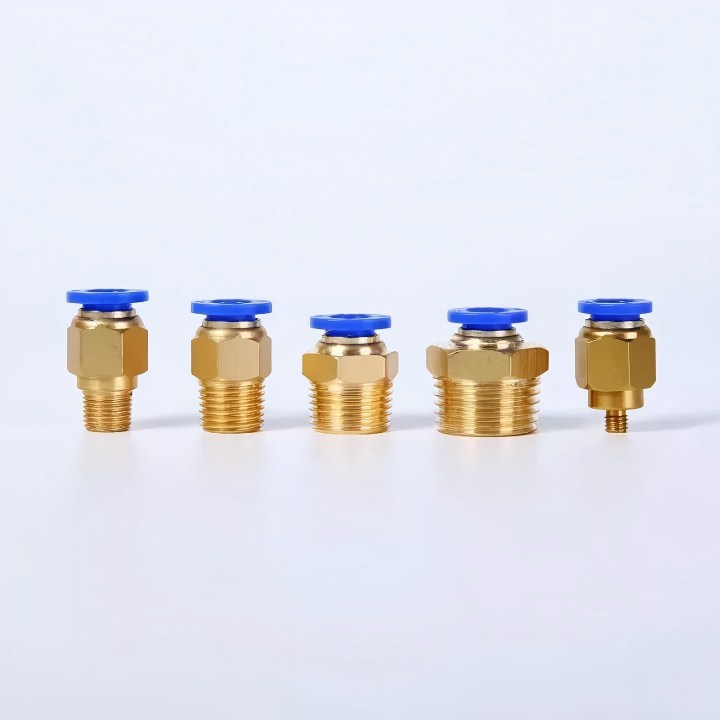
Pneumatic fittings used in water

25

Feb

Pneumatic fittings used in water

View More
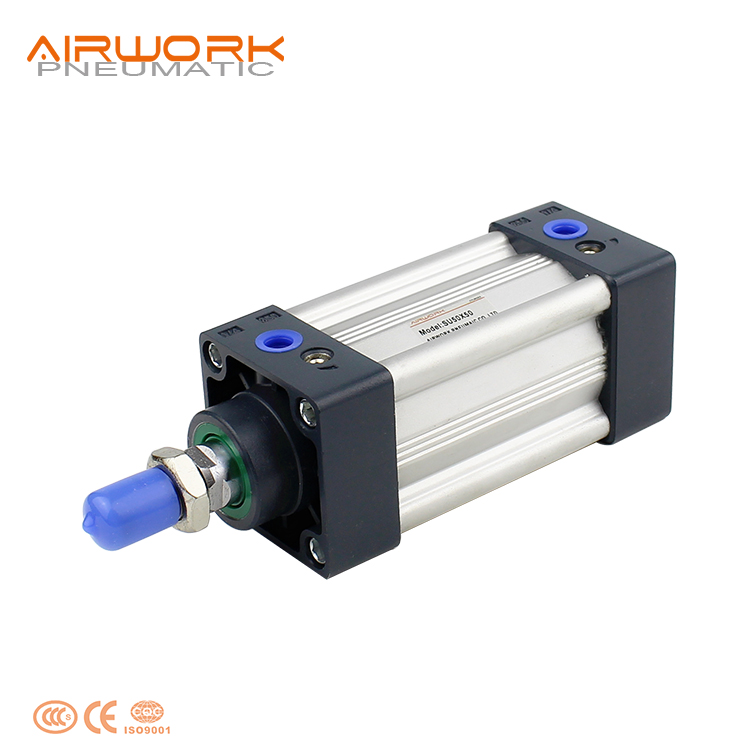
Basic knowledge of pneumatic air cylinders

25

Feb

Basic knowledge of pneumatic air cylinders

View More
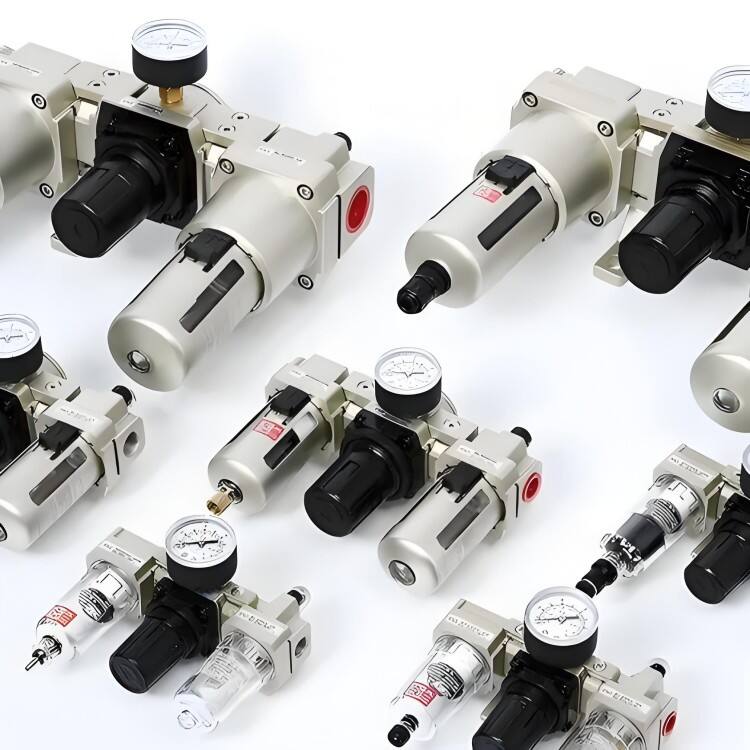
Air Source Treatment Unit:The

25

Feb

Air Source Treatment Unit:The "Guardians" and Core Components of Pneumatic Systems

View More

Get a Free Quote

Our representative will contact you soon.
Email
Name
Company Name
Message
0/1000

pneumatic directional valve

Superior Flow Control and Precision

Superior Flow Control and Precision

The pneumatic directional valve excels in delivering unmatched flow control precision that directly impacts your system performance and productivity. This exceptional control capability stems from advanced internal design features that manage compressed air flow with remarkable accuracy. The valve's internal spool or poppet mechanisms create precise flow paths that eliminate air waste and ensure consistent actuator performance across all operating conditions. When you need exact positioning of pneumatic cylinders or motors, the pneumatic directional valve responds instantly to control signals, providing repeatable movements that maintain tight tolerances in manufacturing processes. The flow control precision extends to pressure regulation, where the valve maintains consistent downstream pressure regardless of upstream fluctuations, ensuring your equipment operates within optimal parameters. This precision control translates to improved product quality in manufacturing applications, where consistent pneumatic force application becomes critical for assembly operations, packaging processes, and material handling tasks. The pneumatic directional valve design incorporates flow adjustment features that allow operators to fine-tune air flow rates for specific applications, optimizing cycle times and energy consumption simultaneously. Advanced sealing technologies within the valve prevent internal leakage that could compromise control precision, maintaining accurate flow direction even after millions of operating cycles. The valve's rapid switching capability ensures minimal dead time between directional changes, maximizing system responsiveness and reducing overall cycle times in automated processes. Multi-position configurations available in pneumatic directional valve systems provide complex flow routing options, enabling sophisticated control schemes that would require multiple separate valves in conventional setups. This consolidation reduces installation complexity while improving overall system reliability through fewer connection points and potential failure modes.
Exceptional Durability and Reliability

Exceptional Durability and Reliability

The pneumatic directional valve demonstrates outstanding durability and reliability characteristics that significantly reduce maintenance costs and system downtime. Built with premium materials and precision manufacturing techniques, these valves withstand millions of operating cycles while maintaining consistent performance standards. The robust construction begins with high-grade aluminum or stainless steel bodies that resist corrosion, wear, and environmental damage throughout extended service periods. Internal components utilize specialized sealing materials that maintain their properties across wide temperature ranges and resist degradation from compressed air contaminants. This exceptional durability means your pneumatic directional valve systems continue operating reliably even in harsh industrial environments where dust, moisture, and temperature extremes challenge equipment performance. The valve design incorporates redundant sealing systems that prevent air leakage even if primary seals experience wear, ensuring continued operation without immediate repair requirements. Quality manufacturing processes ensure consistent valve-to-valve performance, reducing inventory complexity and simplifying maintenance procedures across your facility. The pneumatic directional valve reliability extends to consistent switching forces and response times, maintaining predictable system behavior that operators can depend upon for critical applications. Contamination resistance features protect internal components from particles and moisture that commonly exist in compressed air systems, extending service intervals and reducing unexpected failures. The valve's mechanical simplicity means fewer components that can fail compared to complex electronic or hydraulic alternatives, resulting in inherently higher reliability ratings. Field testing demonstrates that properly maintained pneumatic directional valve units often exceed manufacturer specifications for cycle life, providing exceptional value through extended service periods. This reliability advantage becomes particularly valuable in continuous production environments where equipment failures create significant financial impacts through lost productivity and emergency repair costs.
Versatile Applications and Easy Integration

Versatile Applications and Easy Integration

The pneumatic directional valve offers remarkable versatility and integration capabilities that make it suitable for diverse industrial applications across multiple sectors. This adaptability stems from standardized mounting interfaces, connection methods, and control options that simplify installation in both new systems and retrofit applications. Manufacturing facilities benefit from the valve's ability to control various pneumatic actuators, including linear cylinders, rotary actuators, and pneumatic motors, using consistent control methods across different equipment types. The pneumatic directional valve integrates seamlessly with programmable logic controllers, enabling sophisticated automation sequences that coordinate multiple valve operations for complex manufacturing processes. Modular design concepts allow engineers to combine multiple valve functions into compact manifold assemblies, reducing installation space requirements while simplifying pneumatic circuit design and maintenance access. The valve's standard port sizes and thread configurations ensure compatibility with existing pneumatic infrastructure, eliminating costly modifications when upgrading or expanding systems. Food processing applications particularly benefit from the pneumatic directional valve's clean operation characteristics, as compressed air provides contamination-free power transmission without risk of product contamination from hydraulic fluid leaks. Pharmaceutical manufacturing utilizes these valves for precise ingredient handling and packaging operations where cleanliness and accuracy remain paramount requirements. Automotive assembly lines depend on pneumatic directional valve systems for consistent clamping forces, positioning accuracy, and rapid cycle times that meet high-volume production demands. Packaging equipment manufacturers specify these valves for their ability to provide gentle handling of delicate products while maintaining high-speed operation capabilities. The valve's explosion-proof ratings enable safe operation in hazardous environments where electrical components pose safety risks, expanding application possibilities in chemical processing and paint finishing operations. Integration flexibility extends to mounting options, with threaded, flanged, and manifold-mounted configurations available to suit specific installation requirements and space constraints.

Get a Free Quote

Our representative will contact you soon.
Email
Name
Company Name
Message
0/1000