Uitstekende integratie- en automatiseringsmogelijkheden
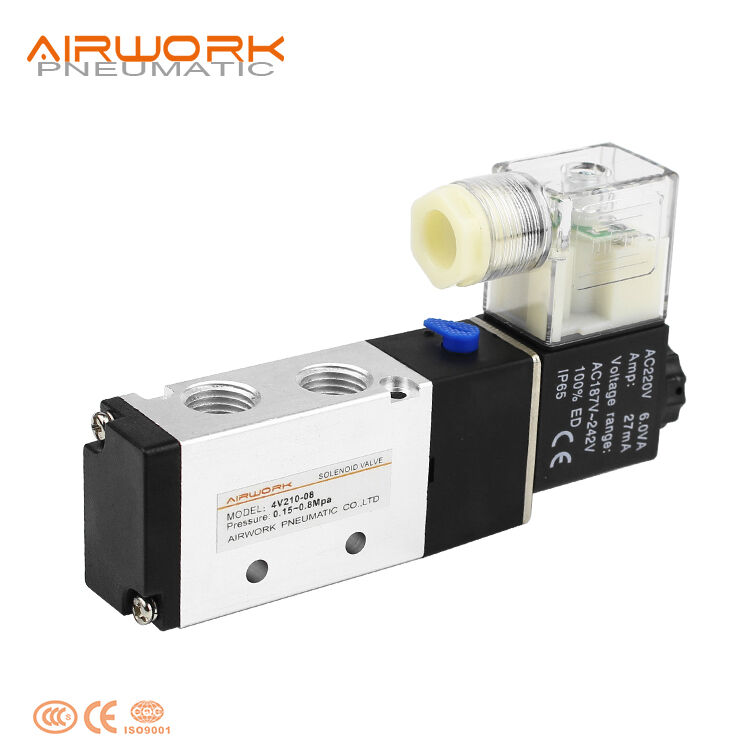
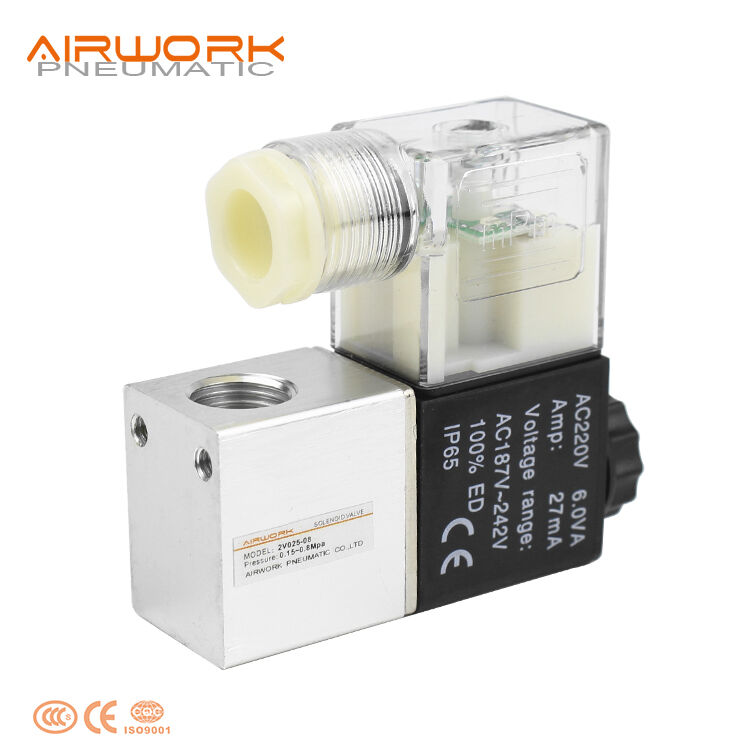
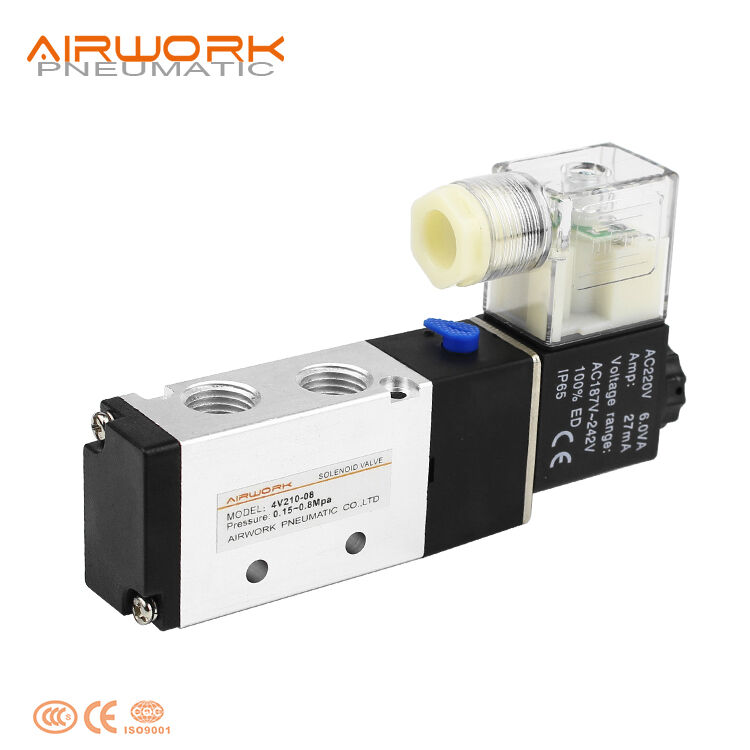
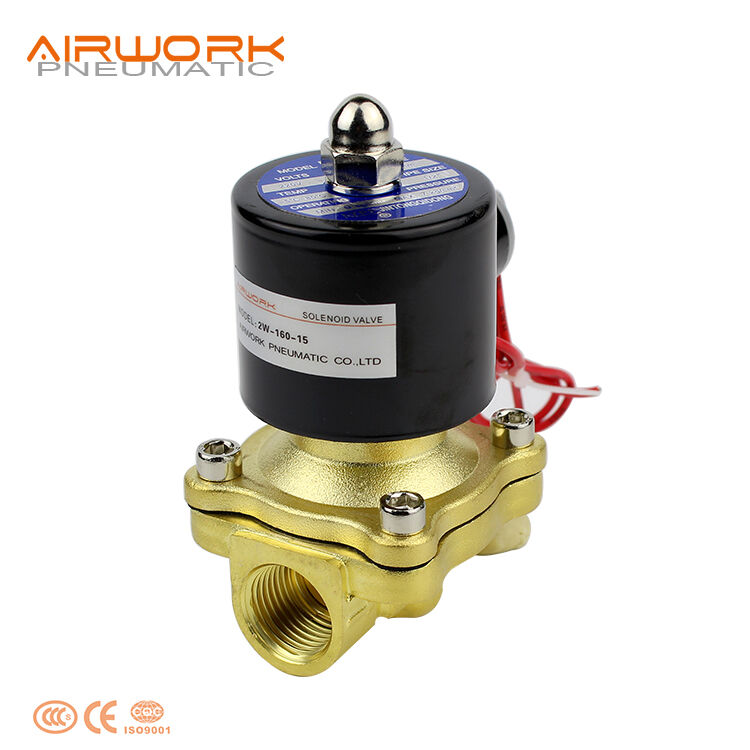
De elektrische pneumatische klep onderscheidt zich door zijn uitstekende integratie- en automatiseringsmogelijkheden, waardoor naadloze aansluiting op moderne industriële regelsystemen mogelijk is en geavanceerde automatiseringsstrategieën worden ondersteund. Deze kleppen ondersteunen meerdere communicatieprotocollen, waaronder Profibus, Modbus, DeviceNet en Ethernet-gebaseerde systemen, wat compatibiliteit garandeert met vrijwel elke bestaande of geplande automatisatieinfrastructuur. De plug-and-play-ontwerpfilosofie vereenvoudigt de installatie- en configuratieprocessen, zodat engineers van regelsystemen nieuwe eenheden met elektrische pneumatische kleppen kunnen integreren zonder uitgebreide programmeerwerkzaamheden of hardwareaanpassingen. Geavanceerde diagnosecommunicatiemogelijkheden maken real-time bewaking van de klepstatus, positiefeedback en prestatieparameters via het regelnetwerk mogelijk, waardoor operators volledig inzicht krijgen in de systeemwerking. De integratiemogelijkheden gaan verder dan basiscommunicatie en ondersteunen complexe automatiseringsscenario’s waarbij de werking van elektrische pneumatische kleppen wordt gecoördineerd met andere systeemcomponenten om de algehele procesprestaties te optimaliseren. Slimme kleptechnologie omvat lokale verwerkingsmogelijkheden waarmee vooraf geprogrammeerde sequenties zelfstandig kunnen worden uitgevoerd, wat het netwerkverkeer vermindert en de responstijd van het systeem verbetert. Op afstand configureerbare functies stellen engineers in staat om klepparameters aan te passen, regelalgoritmen bij te werken en diagnoseproeven uit te voeren vanuit centrale locaties, waardoor bezoeken ter plaatse tijdens routineonderhoudsactiviteiten overbodig worden. De automatiseringsfuncties omvatten adaptieve regelalgoritmen die leren van historische prestatiegegevens en automatisch de reactie van de klep optimaliseren op veranderende procesomstandigheden. Integratie met enterprise resource planning-systemen (ERP-systemen) stelt productieplanningssystemen in staat om rechtstreeks te communiceren met de regelingen van elektrische pneumatische kleppen, zodat de materiaalstromen nauw worden afgestemd op de productiebehoeften. Veiligheidsintegratiefuncties waarborgen dat noodstopsystemen de kleppen indien nodig snel kunnen sluiten of openen, en naadloos integreren met de veiligheidsprotocollen van de gehele installatie. De schaalbare architectuur ondersteunt alles, van eenvoudige installaties met één enkele klep tot complexe multi-klep-systemen die gehele productielijnen regelen. Een toekomstbestendig ontwerp zorgt ervoor dat systemen met elektrische pneumatische kleppen zich kunnen aanpassen aan opkomende technologieën zoals platforms voor het Industriële Internet der Dingen (IIoT) en systemen voor kunstmatige-intelligentie-optimalisatie, waardoor investeringen in automatisering worden beschermd tegen technologische veroudering en continue verbetering van operationele efficiëntie en prestatiebewakingsmogelijkheden wordt mogelijk gemaakt.

 EN
EN