שסתום סולנואידי צילינדר פנאומטי
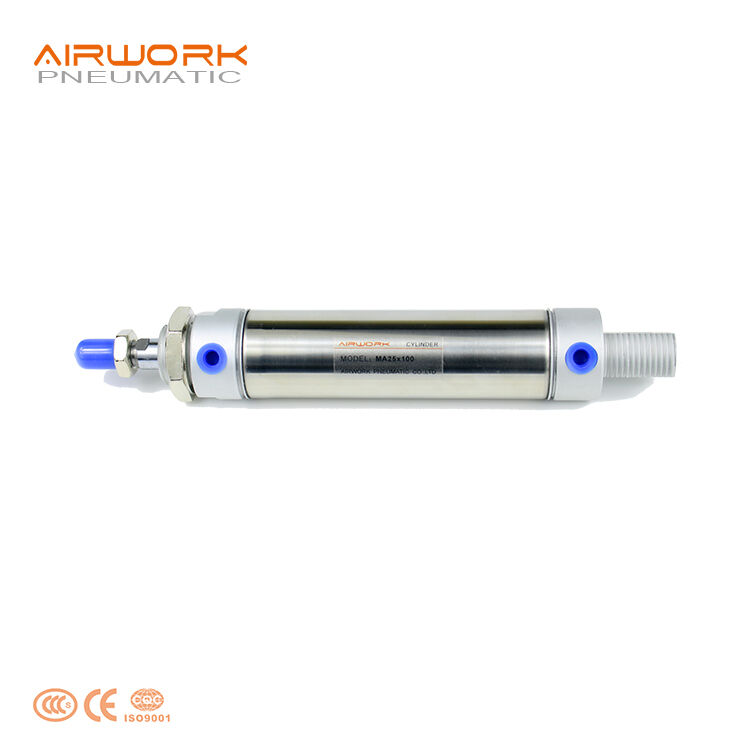
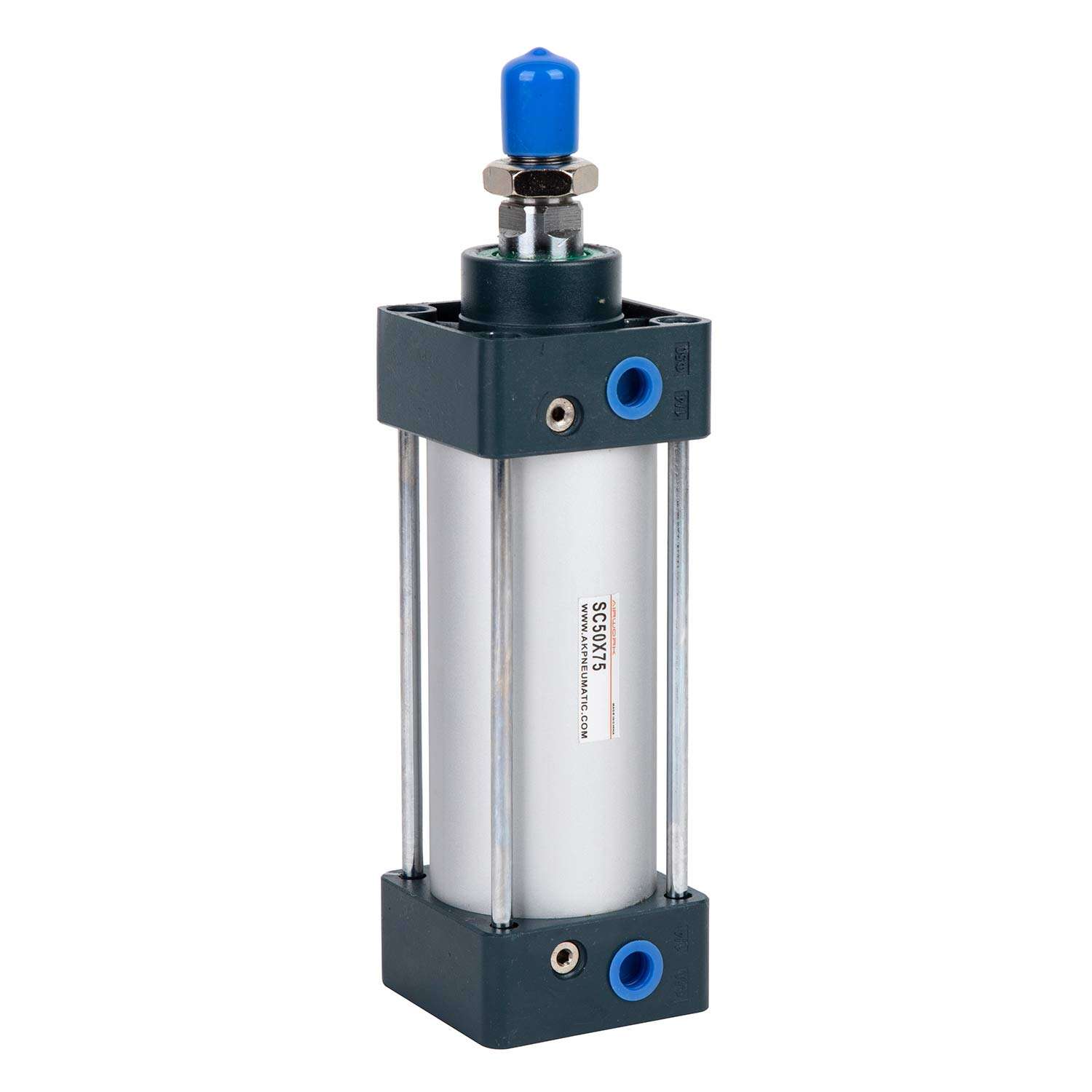
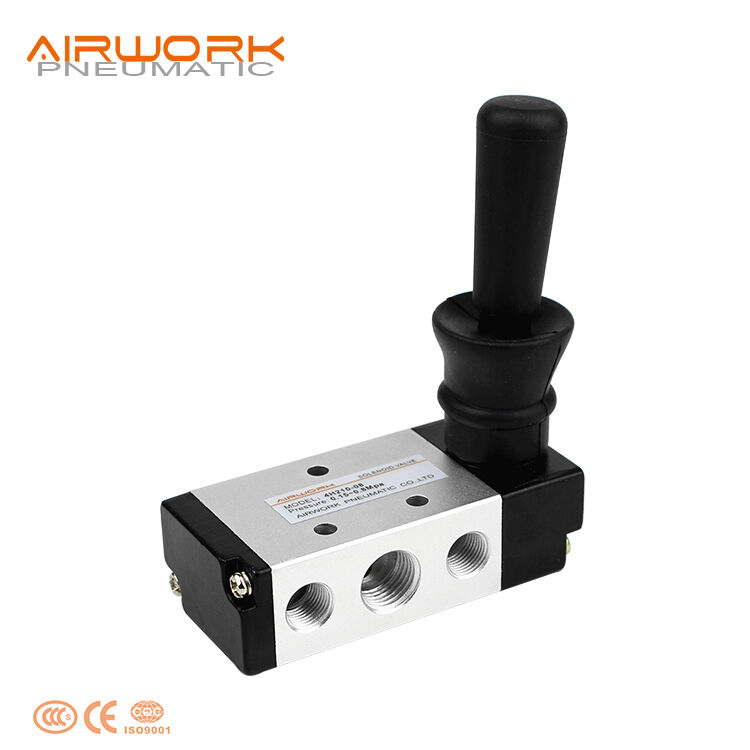
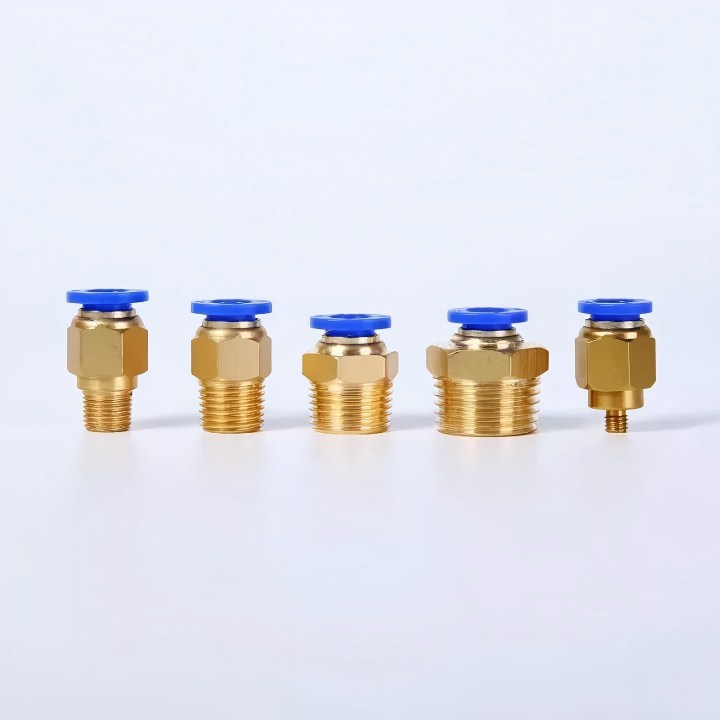
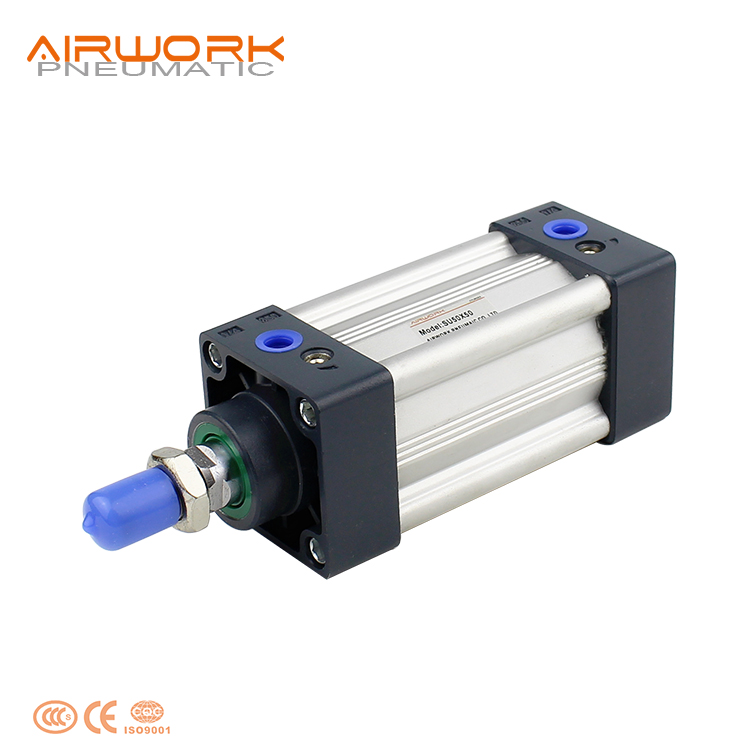
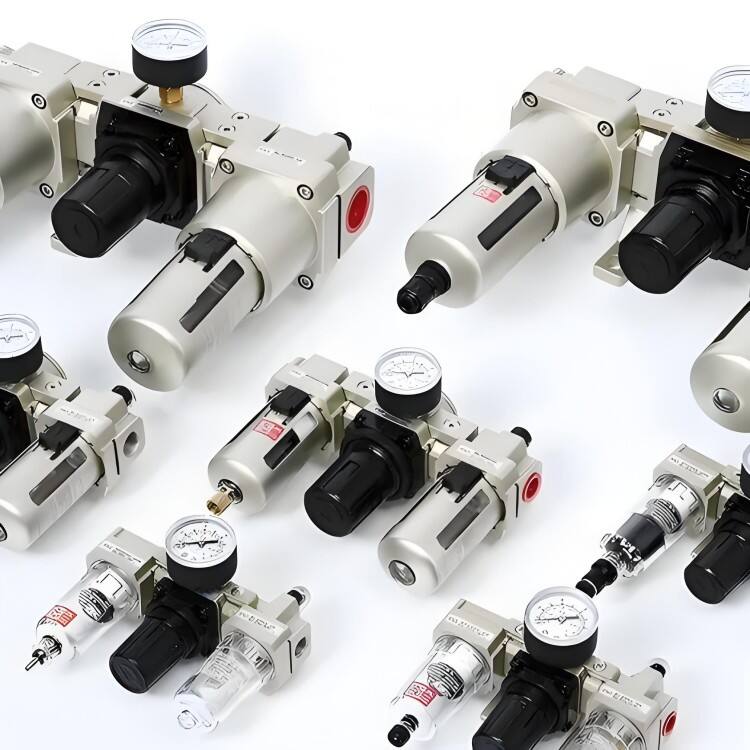
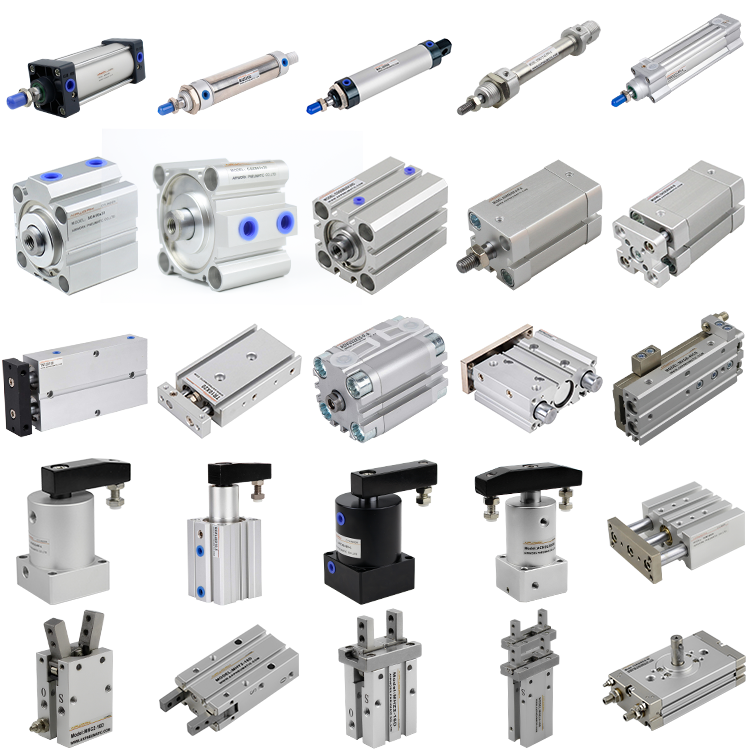
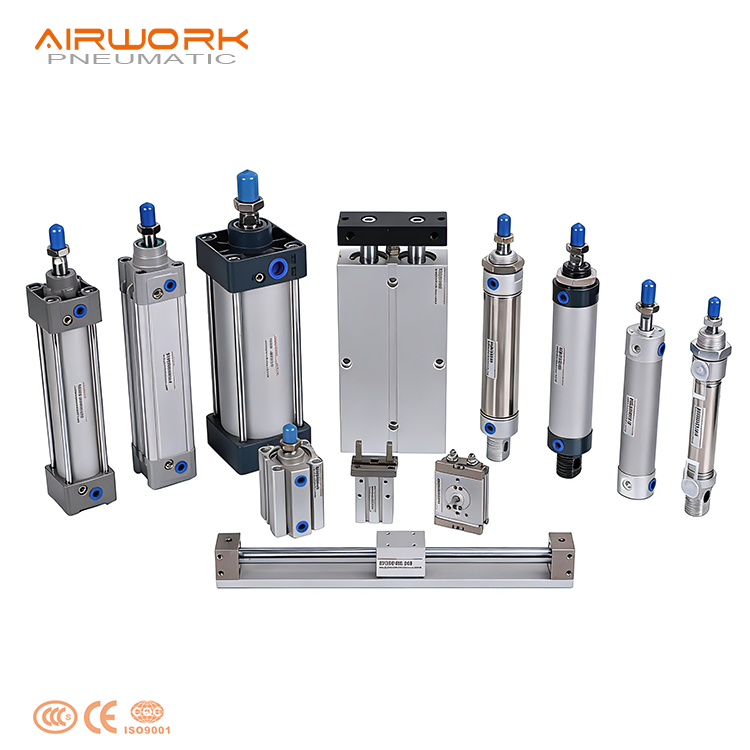
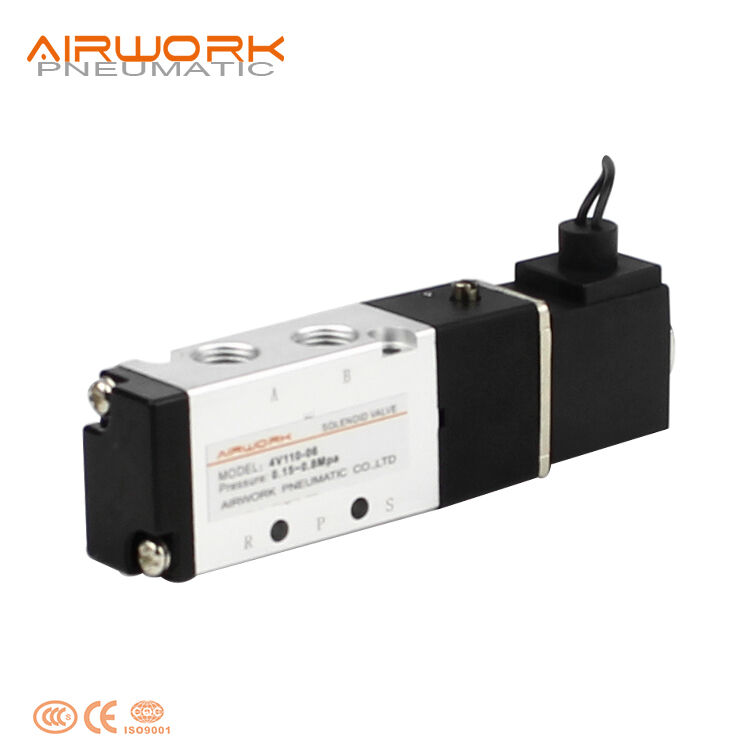
שסתום סולנואיד וצילינדר פנאומטי מייצגים פתרון אוטומציה מתקדם המשלב טכנולוגיית בקרה אלקטרומגנטית עם מערכות כוח של אוויר דחוס. מכשיר משולב זה כולל צילינדר פנאומטי שמשולב עם שסתום סולנואיד מבוקר אלקטרונית אשר מנהל את כיוון זרימת האוויר ואת התפלגות הלחץ. הצילינדר הפנאומטי עם שסתום הסולנואיד פועל על ידי המרה של אותות חשמליים לתנועה מכנית באמצעות ניהול מדויק של לחץ האוויר. כאשר השסתום הסולנואידי מקבל פקודה חשמלית, הוא משנה את המרכיבים הפנימיים שלו כדי לכוון מחדש את זרימת האוויר הדחוס, מה שגורם לפיסטון הצילינדר להתרחב או להתייצב בכוח ובמהירות מבוקרים. הפונקציות העיקריות של המערכת כוללות ייצור תנועה קווית, מיקום עומסים, פעולות אחיזה, ומשימות טיפול בחומרים בסביבות תעשייתיות מגוונות. התכונות הטכנולוגיות כוללות זמן תגובה מהיר, בדרך כלל בטווח של מילי-שניות עד שניות, אורכי הליכה ניתנים להתאמה, יציאות כוח משתנות, והתאמות למערכות בקרה דיגיטליות, כולל מערכות PLC ורשתות אוטומציה. הצילינדר הפנאומטי עם שסתום הסולנואיד כולל טכנולוגיות איטום מתקדמות שמניעות דליפת אוויר תוך שמירה על רמות לחץ עקביות לאורך מחזורי הפעלה. העיצובים המודרניים משתמשים בחומרים مقاומים לקורוזיה, בציפויי עמידות משופרים, ובמבנה מודולרי שמאפשר התאמה אישית ליישומים ספציפיים. מכשירים אלו נמצאים בשימוש נרחב בקווי lắpת ייצור, מכונות אריזה, מתקני ייצור רכב, ציוד לעיבוד מזון, ומערכות רובוטיות, שם בקרת תנועה מדויקת היא חיונית. הגמישות של טכנולוגיית הצילינדר הפנאומטי עם שסתום הסולנואיד מאפשרת יישום בסביבות הדורשות אישור נגד פיצוצים, תקנים של חדרים נקיים, או תנאי טמפרטורה קיצוניים. יכולות האינטגרציה תומכות במגוון תצורות התקנה, מערכות משוב חיישנים, ופרוטוקולי תקשורת שמעלים את הגמישות הפעולה. דגמים עתידיים מציעים עיצובים חסכוניים באנרגיה עם צריכה מצומצמת של אוויר, תוך שמירה על סטנדרטים גבוהים של ביצועים, מה שהופך אותם למשיכתיים כלכלית עבור תרחישים של פעילות מתמדת.

 EN
EN