Miniature Pneumatic Cylinders: Precision Automation Solutions for Compact Applications

All Categories

miniature pneumatic cylinders

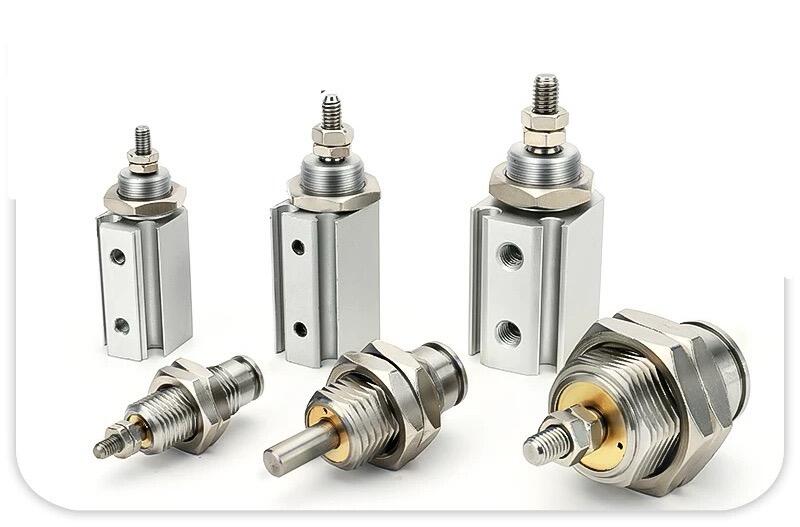
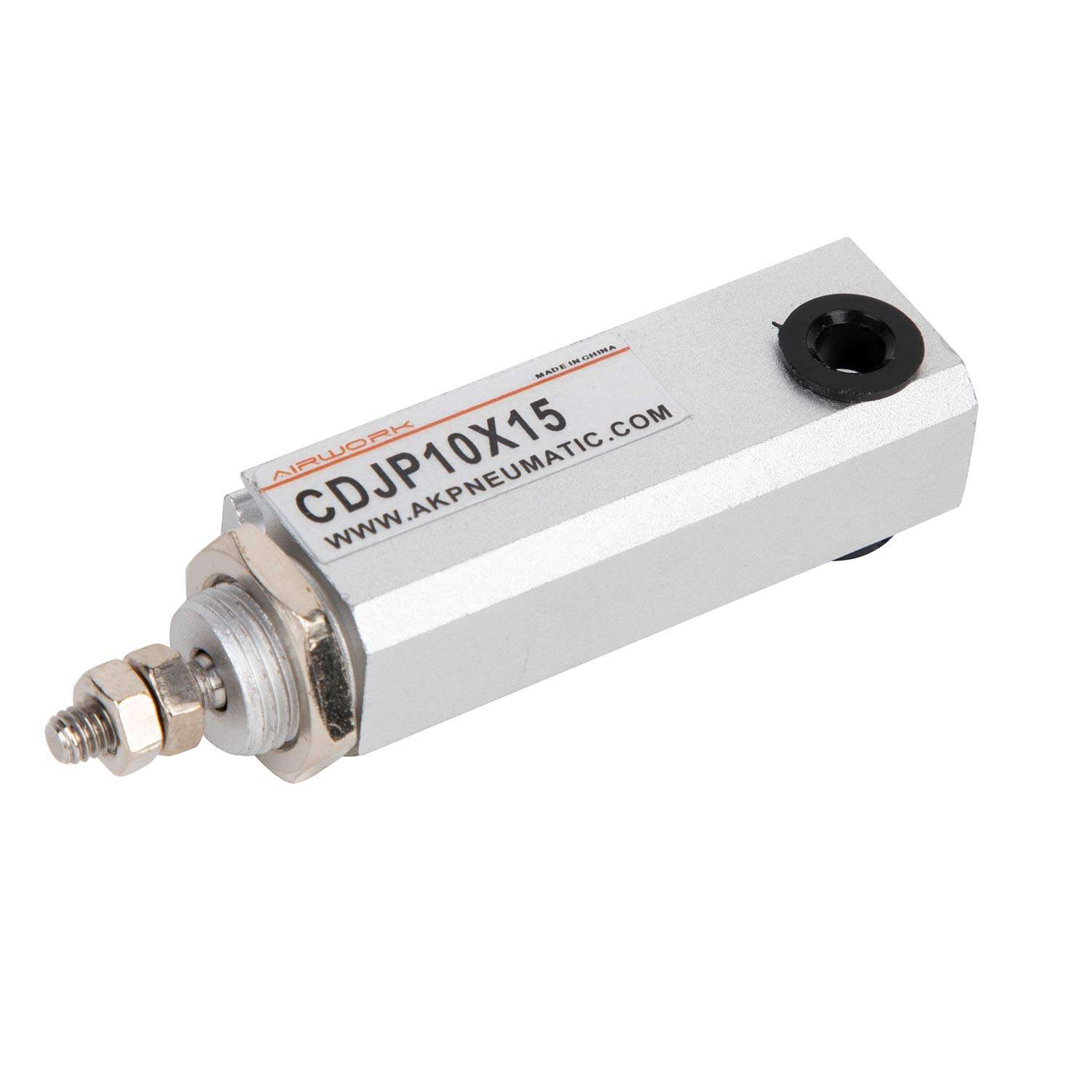
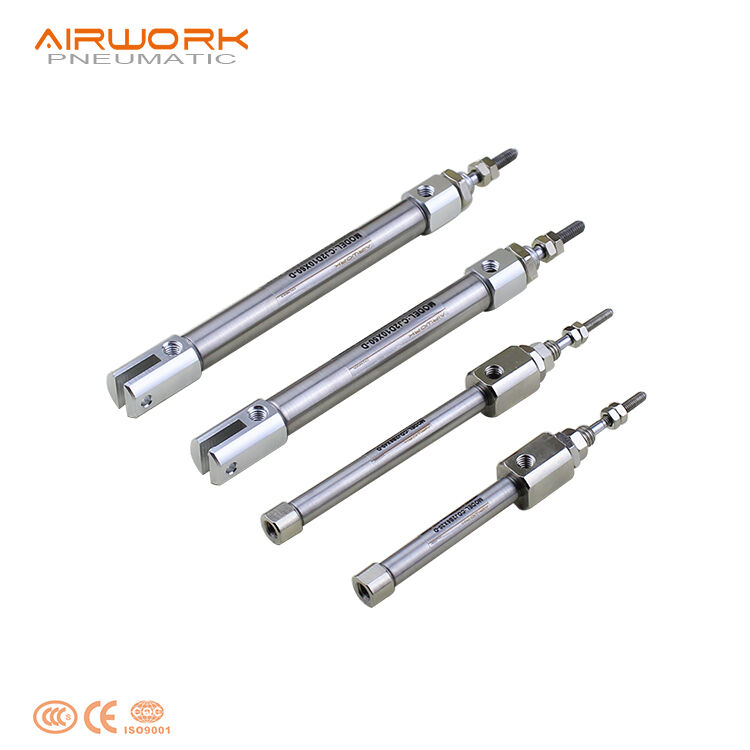
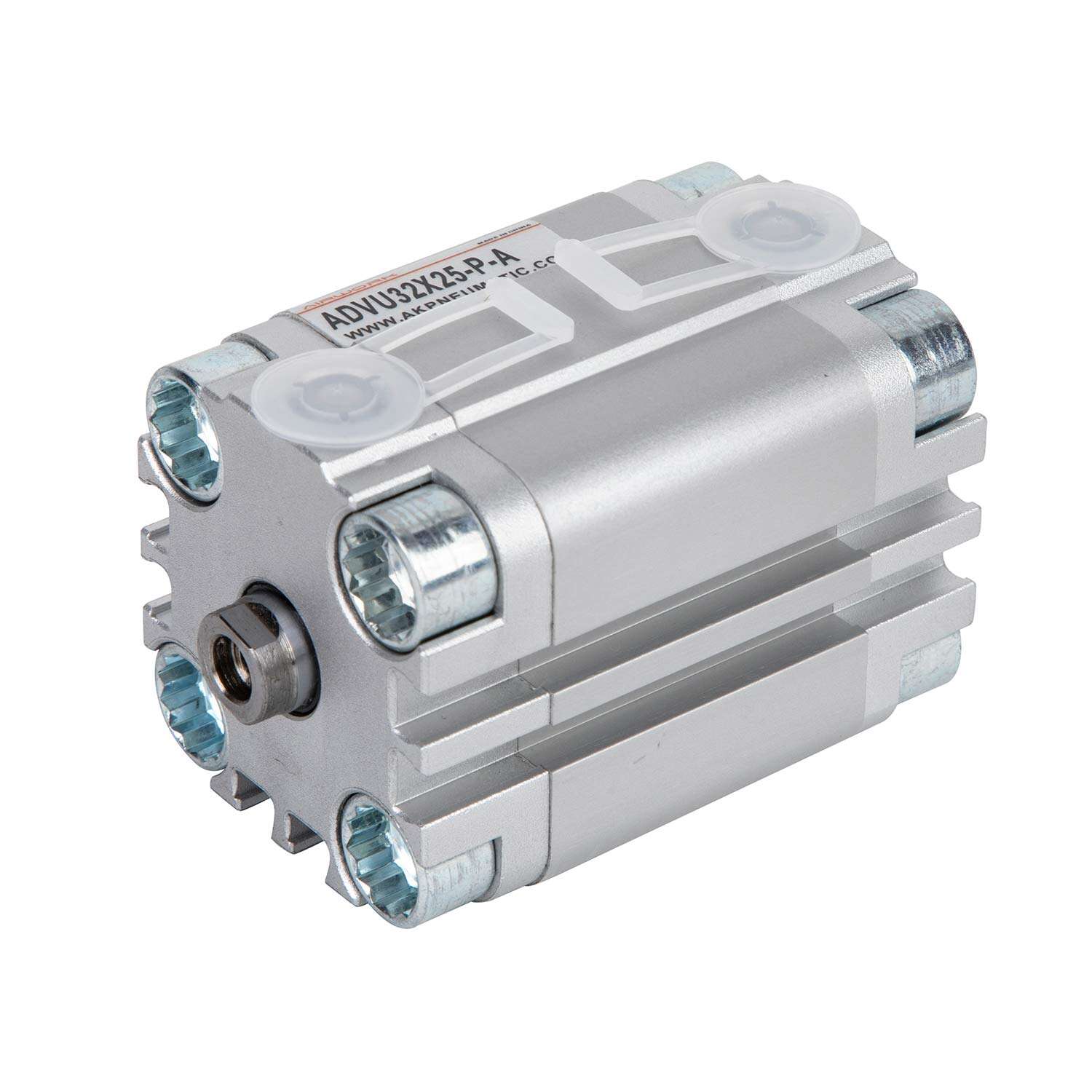
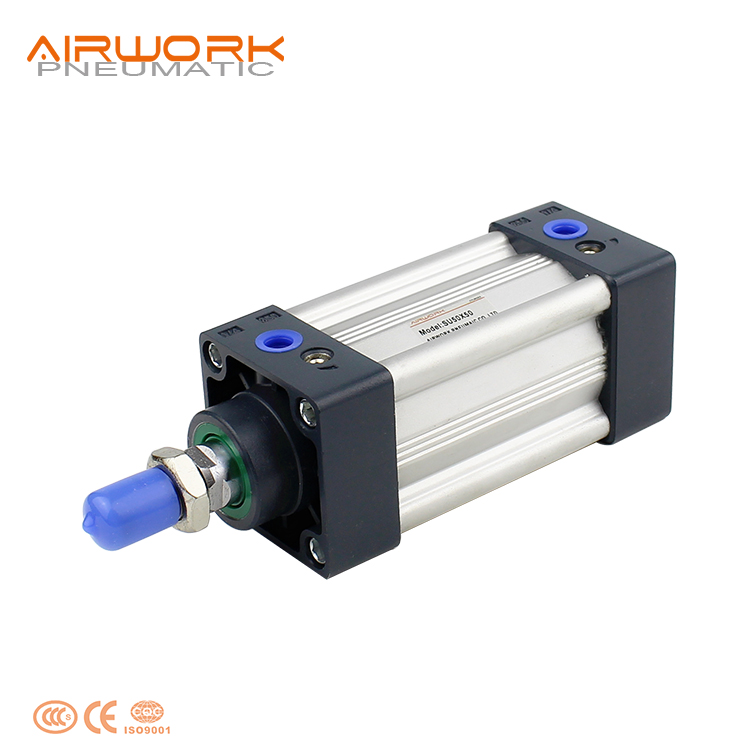
Miniature pneumatic cylinders represent a revolutionary advancement in precision automation technology, delivering powerful linear motion solutions in remarkably compact designs. These sophisticated devices harness compressed air to generate controlled linear movement, making them indispensable components in modern manufacturing, medical equipment, and precision assembly systems. Unlike their larger counterparts, miniature pneumatic cylinders are specifically engineered to operate efficiently in space-constrained environments while maintaining exceptional performance standards. The fundamental operation involves compressed air entering the cylinder chamber, pushing against a piston connected to a rod that extends or retracts with precise control. This mechanism enables repeatable positioning accuracy, making miniature pneumatic cylinders ideal for delicate operations requiring consistent force delivery. Advanced sealing technologies ensure minimal air leakage, maximizing efficiency and extending operational lifespan. Modern miniature pneumatic cylinders incorporate sophisticated materials including anodized aluminum housings, stainless steel rods, and high-performance polymer seals that resist wear and contamination. These components work together to deliver smooth, reliable operation across millions of cycles. Temperature compensation features allow consistent performance across varying environmental conditions, while integrated sensors provide real-time position feedback for closed-loop control systems. The stroke lengths range from mere millimeters to several centimeters, accommodating diverse application requirements. Force outputs typically span from a few newtons to several hundred newtons, providing sufficient power for most precision tasks. Response times are exceptionally fast, often measured in milliseconds, enabling high-speed automation processes. Many miniature pneumatic cylinders feature adjustable cushioning systems that prevent harsh impacts during end-of-stroke positioning, protecting both the cylinder and connected equipment. Mounting options include threaded ends, flanges, and custom brackets, ensuring seamless integration into existing systems. Quality miniature pneumatic cylinders undergo rigorous testing protocols to guarantee consistent performance, durability, and safety standards compliance across various industrial applications.

New Product Recommendations

Miniature pneumatic cylinders deliver significant cost savings compared to electric alternatives while providing superior power-to-weight ratios that electric actuators struggle to match. These devices consume compressed air only during movement, eliminating continuous power consumption and reducing operational costs substantially. The absence of complex electronic components means lower maintenance requirements, translating to decreased downtime and reduced service expenses over the product lifecycle. Installation simplicity represents another major advantage, as miniature pneumatic cylinders require only compressed air connections and basic mounting hardware, eliminating the need for specialized electrical installations or complex programming procedures. Operators can quickly replace or relocate these units without extensive technical expertise or expensive service calls. Safety benefits are particularly noteworthy, as miniature pneumatic cylinders pose minimal fire or explosion risks in hazardous environments where electrical components might create dangerous sparks. The inherent fail-safe characteristics ensure that power loss results in predictable, controlled positioning rather than unexpected movements that could damage equipment or endanger personnel. Speed capabilities exceed most electric alternatives, with miniature pneumatic cylinders achieving full stroke completion in milliseconds rather than seconds. This rapid response enables higher production throughput and improved cycle times in automated manufacturing processes. Force consistency remains stable across varying speeds, unlike electric motors that may experience torque fluctuations at different velocities. Environmental resilience stands out as a crucial advantage, with quality miniature pneumatic cylinders operating reliably in extreme temperatures, humid conditions, and contaminated atmospheres that would compromise electronic alternatives. The simple mechanical design tolerates vibration, shock, and electromagnetic interference without performance degradation. Scalability offers tremendous flexibility, allowing engineers to easily resize pneumatic systems by adjusting air pressure or selecting different cylinder bore sizes without redesigning control systems or power supplies. Multiple miniature pneumatic cylinders can operate simultaneously from a single compressed air source, enabling complex coordinated movements at minimal infrastructure cost. Overload protection occurs naturally through pressure relief systems, preventing damage from excessive forces that might destroy rigid electric actuators. The smooth, controllable motion profile reduces wear on connected mechanical components while providing precise positioning accuracy that meets demanding quality standards in precision manufacturing applications.

Latest News

Pneumatic fittings used in water

25

Feb

Pneumatic fittings used in water

View More
Basic knowledge of pneumatic air cylinders

25

Feb

Basic knowledge of pneumatic air cylinders

View More
Air Source Treatment Unit:The

25

Feb

Air Source Treatment Unit:The "Guardians" and Core Components of Pneumatic Systems

View More

Get a Free Quote

Our representative will contact you soon.
Email
Name
Company Name
Message
0/1000

miniature pneumatic cylinders

Exceptional Space Efficiency and Compact Design

Exceptional Space Efficiency and Compact Design

Miniature pneumatic cylinders excel in applications where space constraints demand maximum functionality within minimal footprints, making them the preferred choice for compact automation systems, medical devices, and precision manufacturing equipment. The ingenious engineering behind these devices achieves remarkable power density through optimized internal geometries and advanced materials that eliminate unnecessary bulk while maintaining structural integrity. Unlike bulky electric actuators that require substantial mounting space for motors, gearboxes, and control electronics, miniature pneumatic cylinders integrate all essential components into streamlined housings that often measure less than an inch in diameter. This space efficiency becomes critical in multi-station assembly systems where numerous actuators must operate simultaneously within confined work envelopes. The compact profile enables designers to position multiple miniature pneumatic cylinders in close proximity without mechanical interference, facilitating complex automated sequences that would be impossible with larger alternatives. Advanced manufacturing techniques create cylinder bodies with thin walls that maximize internal volume while maintaining pressure ratings suitable for demanding industrial applications. The elimination of external power conversion equipment further reduces space requirements, as compressed air systems typically exist in most industrial facilities. Integration flexibility allows miniature pneumatic cylinders to mount in virtually any orientation without performance penalties, unlike electric alternatives that may experience reduced efficiency or overheating in certain positions. Custom mounting configurations accommodate unique spatial constraints through specialized brackets, threaded adapters, and flexible connection systems. The inherent simplicity of pneumatic operation eliminates heat generation concerns, allowing tight clustering of multiple units without thermal management complications. This spatial advantage proves invaluable in laboratory automation, where instrument designers must maximize analytical capability within standardized rack dimensions. Medical device applications particularly benefit from the sterile, compact nature of miniature pneumatic cylinders that can operate within sealed enclosures without contamination risks. The space savings extend beyond physical dimensions to include simplified maintenance access, as the straightforward design requires minimal clearance for service procedures compared to complex electro-mechanical alternatives that demand extensive disassembly for basic maintenance tasks.
Superior Reliability and Maintenance-Free Operation

Superior Reliability and Maintenance-Free Operation

Miniature pneumatic cylinders deliver unmatched operational reliability through their fundamentally simple mechanical design that eliminates the complex failure modes associated with electronic control systems, gear reducers, and servo motors commonly found in alternative actuator technologies. The absence of electronic components removes sensitivity to electromagnetic interference, voltage fluctuations, and temperature-related failures that frequently plague electric actuator systems in industrial environments. Quality miniature pneumatic cylinders operate continuously for millions of cycles without requiring lubrication, component replacement, or performance adjustments, significantly reducing total cost of ownership and eliminating scheduled maintenance downtime. The robust construction utilizes corrosion-resistant materials including hard-anodized aluminum bodies and stainless steel piston rods that withstand harsh environmental conditions without degradation. Advanced sealing systems employ specially formulated elastomers that maintain integrity across extreme temperature ranges while resisting chemical attack from common industrial solvents and cleaning agents. The pneumatic operating principle provides inherent overload protection, as excessive forces simply result in air compression rather than mechanical component failure, preventing catastrophic damage that destroys rigid electric alternatives. Self-lubricating materials in critical wear surfaces extend operational life while maintaining smooth, consistent motion characteristics throughout the service interval. The modular design philosophy enables rapid field replacement of individual components without specialized tools or extensive technical training, minimizing service time and costs. Compressed air systems naturally filter contaminants and provide moisture control, creating clean operating environments that extend component life compared to exposed electric motors susceptible to dust and debris accumulation. Quality assurance protocols ensure consistent manufacturing standards that deliver predictable performance across production lots, eliminating the variation common in complex electronic systems. The mechanical simplicity enables visual inspection of key components during operation, allowing maintenance personnel to identify potential issues before failure occurs. Standardized compressed air infrastructure in most industrial facilities eliminates dependency on specialized power supplies or control systems that may become obsolete or difficult to service. Environmental resilience allows miniature pneumatic cylinders to operate reliably in explosive atmospheres, wet conditions, and extreme temperatures where electric alternatives would require expensive protective enclosures or fail entirely.
Precise Control and Exceptional Performance Characteristics

Precise Control and Exceptional Performance Characteristics

Miniature pneumatic cylinders provide exceptional motion control precision through sophisticated pressure regulation and flow control systems that enable positioning accuracy measured in micrometers while delivering consistent force output across the entire stroke length. Advanced control valves incorporate proportional flow regulation that creates smooth, controllable motion profiles without the jerky movements or vibrations common in lower-quality actuator systems. The inherently linear force-pressure relationship of pneumatic systems allows precise force control through simple pressure adjustment, enabling delicate operations that require specific force application without complex feedback systems. Variable speed control occurs through flow regulation that provides infinite adjustment between maximum and minimum velocities, offering flexibility unmatched by stepped electric motor systems. The consistent force output throughout the stroke eliminates the torque ripple and speed variations that compromise precision in electric actuators, particularly at low speeds where servo motor performance typically degrades. Position feedback integration through magnetic sensors or linear encoders enables closed-loop control systems that achieve positioning repeatability within tight tolerances demanded by precision manufacturing applications. The natural compliance of compressed air provides superior shock absorption and overload protection, preventing damage to delicate workpieces or sensitive equipment during automated handling operations. Multi-position capability allows programming intermediate stops along the stroke length without additional hardware, enabling complex motion sequences within single actuator units. The rapid response characteristics of miniature pneumatic cylinders enable high-frequency operations that increase production throughput while maintaining positioning accuracy throughout extended operating periods. Force multiplication through pressure boosting systems allows these compact units to generate substantial output forces when applications demand higher power levels without increasing physical size. The smooth motion characteristics reduce wear on connected mechanical components while eliminating vibrations that could affect product quality in precision assembly operations. Cushioning systems provide controlled deceleration at stroke endpoints, preventing harsh impacts that could compromise positioning accuracy or damage connected equipment. Temperature stability ensures consistent performance characteristics across varying environmental conditions without the thermal drift common in electronic positioning systems. The predictable operating characteristics enable accurate cycle time calculations for production planning while the consistent performance eliminates the process variations that require statistical process control adjustments common with less stable actuator technologies.

Get a Free Quote

Our representative will contact you soon.
Email
Name
Company Name
Message
0/1000