תאימות יישומים מגוונת
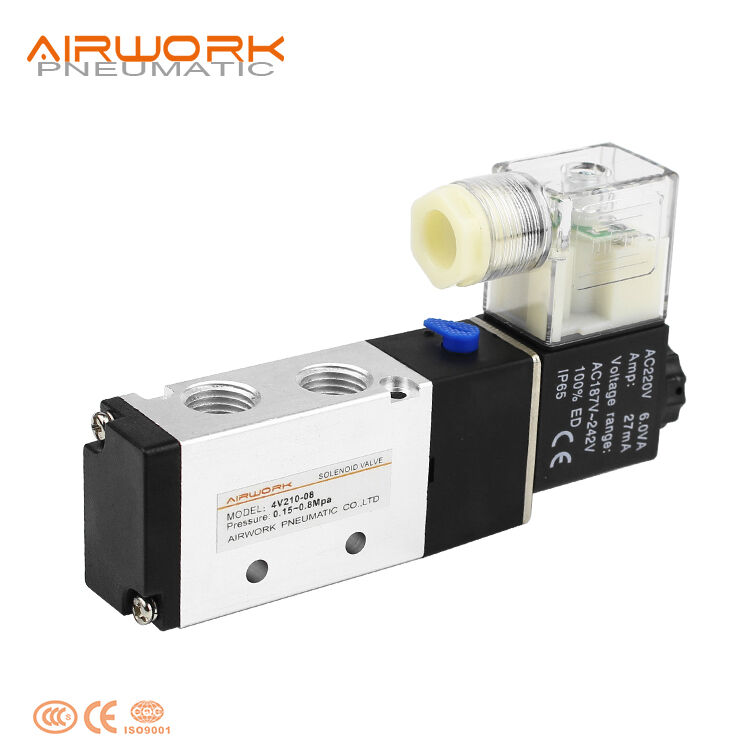
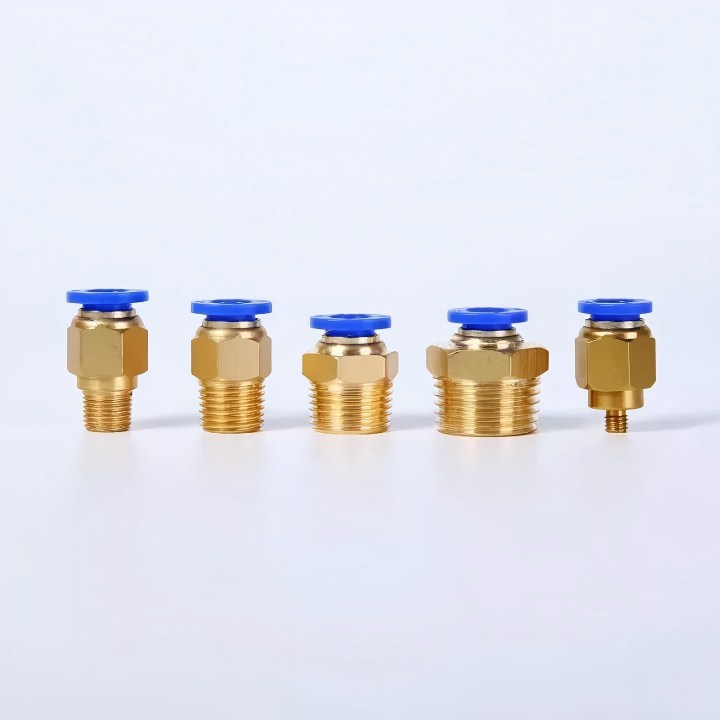
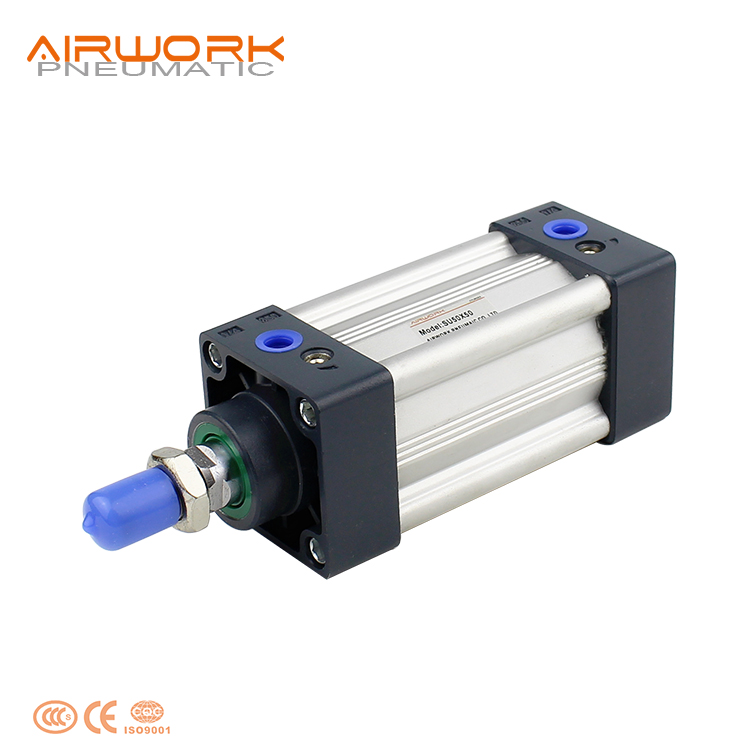
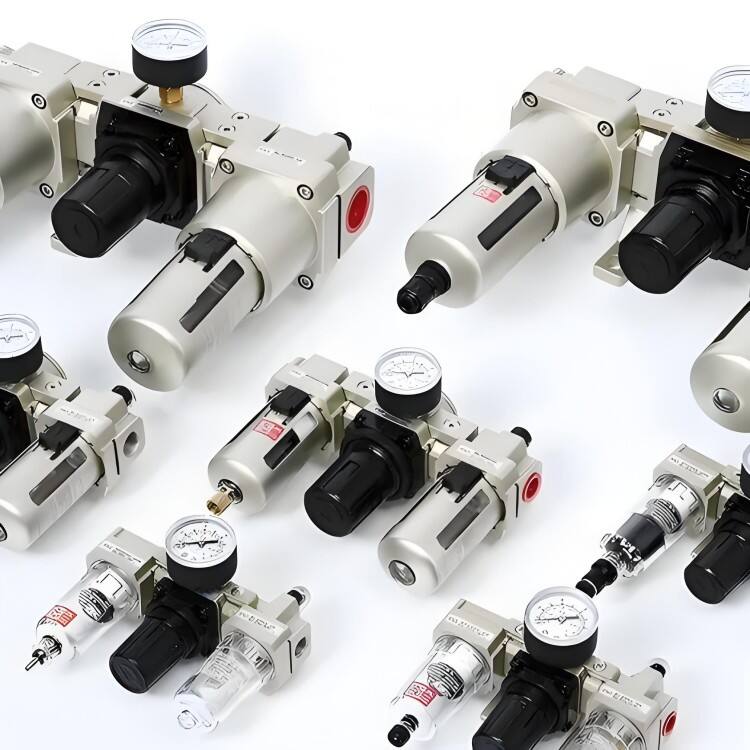
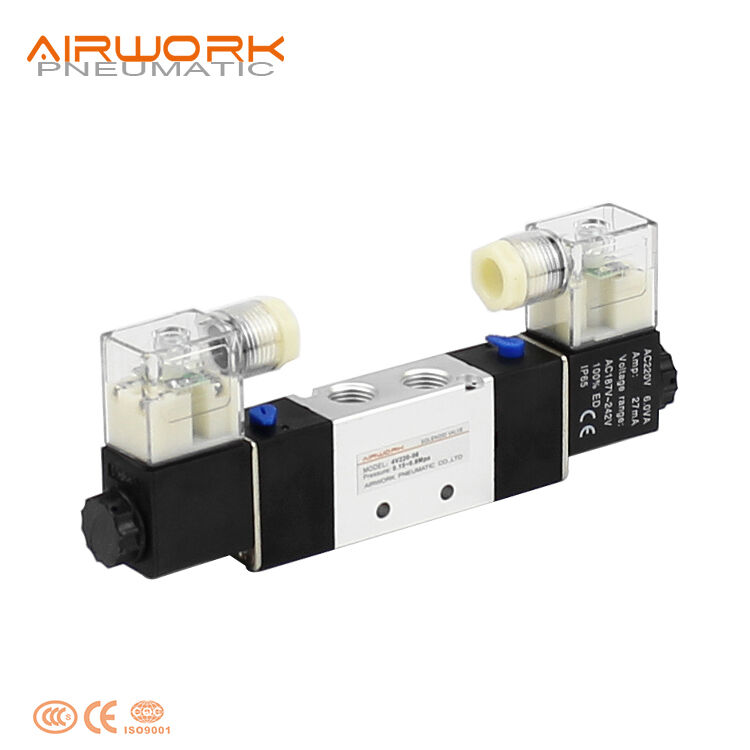
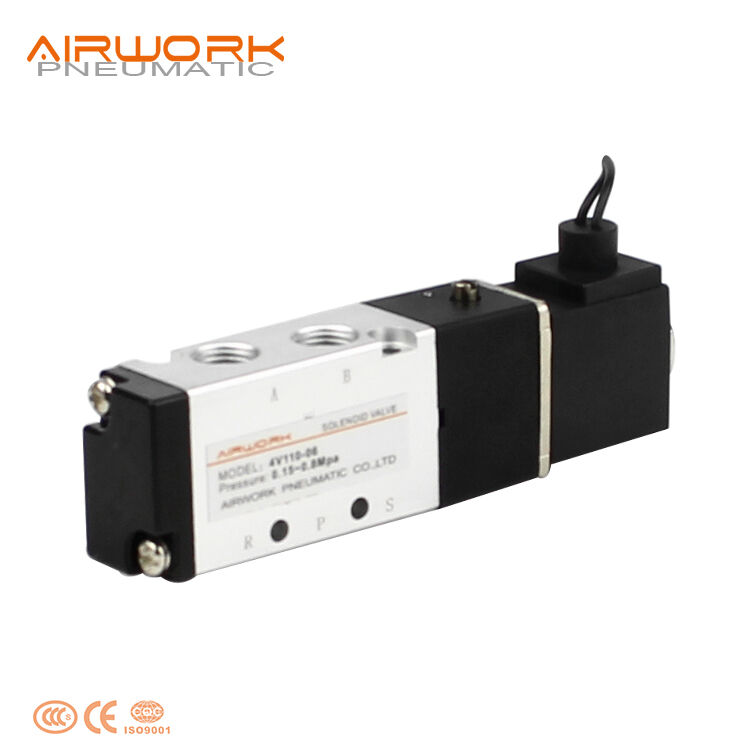
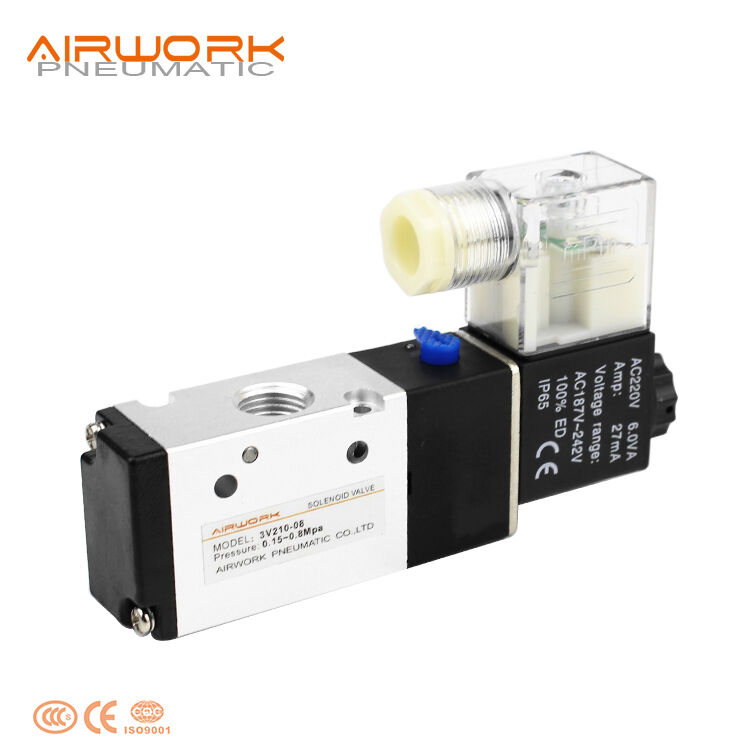
שסתום הכוון הפניאומטי מציע תאימות יישום מרשים ורב-תכליתיות שמהווה אותו מתאים לתחומי תעשייה מגוונים ולדרישות בקרה מיוחדות, ממשימות אוטומציה בסיסיות ועד מערכות מיקוד רב-צירים מורכבות. רב-תכליתיות זו נובעת מהגמישות העיצובית המרחבית שמאפשרת התאמה למגוון טווחי לחצים, קצב זרימה ודרכי בקרה הנפוצות בתחומים ובהישומים השונים. מהנדסי ייצור מעריכים את היכולת של שסתום הכוון הפניאומטי להשתלב באופן חלק במערכות פניאומטיות קיימות, ללא תלות בייצרן הציוד המקורי או בגיל המערכת, ובכך מספקים אפשרויות לשדרוג ללא צורך בהחלפת מערכת מלאה. השסתום תומך בשיטות פעילה רבות, כולל פעולה ידנית, בקרה אלקטרומגנטית (סולנואיד), פעולה על ידי אוויר מניע (pilot air) ופעולה מכנית, מה שמאפשר למصمמי מערכות לבחור את שיטת הבקרה המתאימה ביותר לכל דרישה יישומית ספציפית. גמישות זו חשובה במיוחד בעת שדרוג ציוד ישן, כאשר אילוצי מקום או מגבלות חשמליות עלולות לצמצם את אפשרויות הבקרה. שסתום הכוון הפניאומטי תומך במגוון תצורות התקנה, כולל התקנה בקו, התקנה על מנהט (manifold) והתקנה על בסיס תחתון (sub-base), מה שמאפשר שילוב באינסטלציות עם אילוצי מקום או בעיצובי מכונות מודולריים. אפשרויות גודל הפתחים נעים ממחברים שבריריים קומפקטיים המתאימים למתנענים קטנים, דרך תצורות עם פתחים גדולים המסוגלות להתמודד עם יישומים בעלי זרימה גבוהה במכונות תעשייתיות כבדות. התאימות לסביבה משתרעת גם לפעולת השסתום בתנאי טמפרטורה קיצונית, באקלים רטוב מאוד, וכן ביישומים הכוללים חשיפה לכימיקלים לניקוי או לנוזלים תהליכים הנפוצים במפעלי עיבוד מזון, ייצור פרמקוטיקה ותעשייה כימית. שסתום הכוון הפניאומטי תומך גם ביישומים מיוחדים כגון התקנות באטמוספרה מתפוצצת, באמצעות עיצובים מאושרים כבטוחים פנימית (intrinsically safe), וגם ביישומים ימיים, באמצעות בחירת חומרים עמידים לקורוזיה. התאימות למערכת כוללת שילוב עם מערכות בקרה תעשייתיות מודרניות, בקרות לוגיות מתוכנתות (PLC) ורשתות בקרה מבוזרות, אשר מאפשרות ניטור מרחוק ורצפי בקרה אוטומטיים. טווח התאימות הרחב הזה מאפשר לייצרנים לאמץ את טכנולוגיית שסתום הכוון הפניאומטי כסטנדרט לאורך קווי ייצור ומבנים רבים, ובכך לפשט את ניהול מלאי חלקי חילוף, את דרישות האימון לטיפול ותחזוקה, ואת צורכי התמיכה הטכנית, תוך שמירה על מאפייני ביצוע עקביים בכל הפעולות.

 EN
EN