 EN
EN

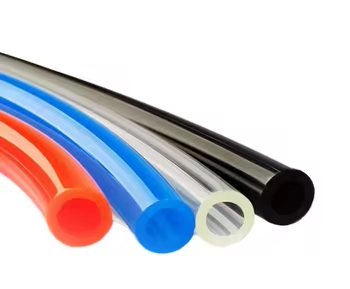
Air fittings are critical components that determine whether pneumatic systems operate reliably or suffer from costly leaks and performance degradation. The quality and design of air fittings directly impact equipment efficiency, maintenance costs, and operational uptime across industrial applications. Selecting and implementing the right air fittings requires understanding how these components create secure connections, maintain pressure integrity, and withstand demanding environments.
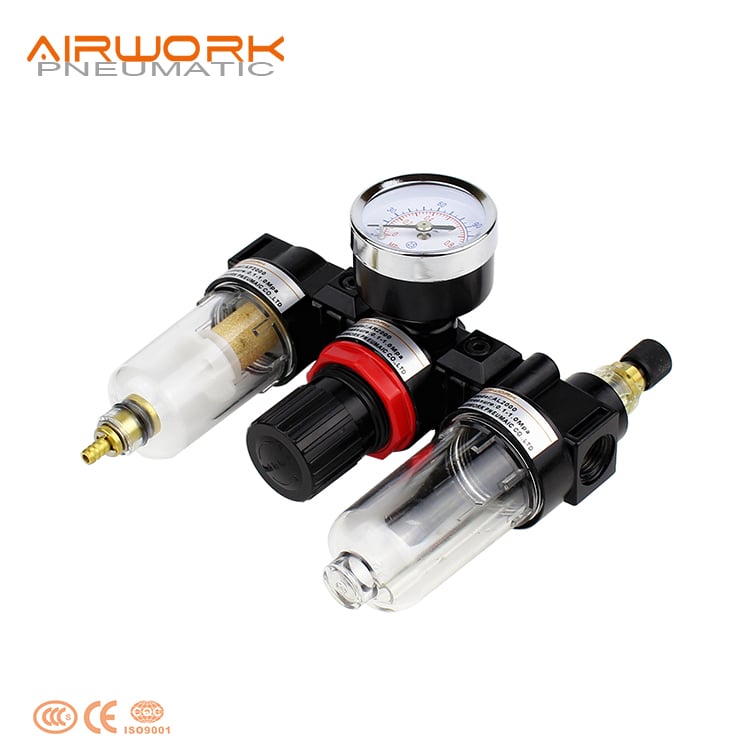
Leak-free performance depends on multiple factors working together seamlessly. Air fittings must create tight seals under varying pressure conditions, accommodate different tube and hose sizes, and resist environmental stresses without degradation. Understanding the mechanisms behind reliable air fittings helps equipment operators and maintenance teams make informed decisions about purchasing, installation, and maintenance strategies that protect system performance.
Sealing Mechanisms in Air Fittings
How Compression Seals Work
Modern air fittings rely on compression sealing technology to prevent leaks at connection points. When you tighten an air fitting onto tubing or hose, the fitting's internal ferrule compresses against the tube material, creating an interference fit that blocks air escape. This compression seal becomes more effective as the fitting experiences pressure cycles, as the ferrule adapts to minor imperfections in the tube surface. Quality air fittings feature precisely engineered ferrules that distribute compression force evenly across the tube circumference, eliminating stress points that could lead to micro-leaks over time.
Metal-to-Metal Sealing Advantage
Premium air fittings incorporate metal-to-metal sealing surfaces in addition to ferrule compression. These metal seals create redundant leak prevention, ensuring that even if the ferrule experiences wear, secondary sealing surfaces maintain system integrity. Air fittings with dual sealing methods can tolerate minor installation variations and maintain pressure over extended periods without maintenance intervention. The cone angles, surface finishes, and material hardness of these sealing surfaces are precisely controlled during manufacturing to deliver consistent performance across every air fitting produced.
Material Selection and Durability
Brass, Stainless Steel, and Polymer Considerations
Air fittings manufactured from brass offer excellent corrosion resistance in standard industrial environments while maintaining cost-effectiveness. Stainless steel air fittings provide superior durability in high-moisture, chemical, or corrosive atmospheres where brass might degrade. Polymer reinforced air fittings reduce weight in portable applications and resist temperature fluctuations that could affect metal components. The material choice for air fittings must match the specific operating environment, as incompatible materials can develop micro-fractures or chemical reactions that compromise sealing surfaces over time. Each material used in air fittings brings distinct advantages, and selecting the wrong material type leads to accelerated wear and unexpected failures.
Surface Treatment and Corrosion Protection
Quality air fittings receive specialized surface treatments that protect against oxidation and maintain sealing surface integrity throughout their service life. Nickel plating, zinc coating, and passivation processes applied to air fittings create protective barriers that extend component longevity in challenging environments. These surface treatments on air fittings prevent corrosion from spreading into the sealing cone or ferrule, which would create gaps allowing pressurized air to escape. Well-maintained air fittings with proper surface protection can operate reliably for years, delivering consistent leak-free performance even in facilities with aggressive atmospheric conditions or moisture exposure.
Installation and Maintenance Practices
Proper Installation Techniques for Air Fittings
Installing air fittings correctly is fundamental to achieving leak-free operation from day one. Technicians must deburr tube ends before inserting them into air fittings, as sharp edges or contamination interfere with ferrule compression and allow air to bypass the seal. Tightening air fittings to the correct torque specification ensures sufficient compression without over-tightening, which can damage ferrule geometry or tube material. Using appropriate wrenches and installation tools on air fittings prevents cross-threading and misalignment that compromise sealing surfaces. Many equipment failures stem not from faulty air fittings themselves, but from installation shortcuts or improper handling during assembly.
Inspection and Maintenance Protocols
Routine inspection of air fittings identifies early warning signs of degradation before leaks develop into operational problems. Visual checks for weeping, frost formation around connection points, or audible hissing alert maintenance teams that specific air fittings require attention or replacement. Periodic retightening of air fittings after initial installation compensates for minor stress relaxation in materials, maintaining compression force that keeps seals effective. Temperature cycling and vibration gradually loosen connections, so regular maintenance schedules that include air fitting inspection prevent accumulated damage and sudden failures. Preventive care applied to air fittings costs far less than emergency repairs or production stoppages caused by unexpected pneumatic system failures.
System Design Integration
Matching Air Fittings to System Requirements
Selecting air fittings with appropriate pressure ratings, flow capacities, and connection types ensures that components work harmoniously within the overall pneumatic system. Air fittings rated for peak system pressure plus safety margin protect equipment from burst or failure under transient pressure spikes. Choosing connection types that match available tubing and hose sizes eliminates adapter chains that increase leak risk and add unnecessary complexity. Systems designed with correctly specified air fittings from the outset achieve better efficiency and longevity than those retrofitted with mismatched components. Equipment engineers must consult air fittings specifications and pressure drop tables to ensure that fitting sizes support required flow rates without excessive velocity that generates heat or noise.
Redundancy and Fail-Safe Design
Critical pneumatic applications benefit from redundant air fittings or backup systems that prevent single-point failures from shutting down operations. Isolating ball valves positioned near air fittings allow quick troubleshooting and repair without depressurizing the entire system. Some equipment layouts incorporate quick-disconnect air fittings that enable rapid component swaps when seals degrade, minimizing production downtime. Design practices that consider potential failure modes of air fittings during the planning stage prevent costly re-engineering and retrofitting after commissioning. Thoughtful system architecture transforms air fittings from potential vulnerabilities into reliable foundations for consistent equipment performance.
FAQ
What causes air fittings to leak after installation?
Air fittings leak after installation when ferrule compression is insufficient due to improper tightening, contaminated tube ends, or damaged sealing surfaces. Tubes inserted at angles or to inconsistent depths prevent uniform ferrule contact, allowing pressurized air to find escape paths. Over-time stress relaxation in polymer or brass components can gradually loosen connections. Temperature cycling between hot and cold environments creates micro-movements that accumulate until seals no longer hold pressure. Using damaged or worn tubing with air fittings also prevents effective compression, as the irregular surface prevents the ferrule from achieving proper interference fit.
How often should air fittings be inspected or replaced?
Air fittings should be visually inspected monthly in active pneumatic systems, with particular attention to connections showing signs of condensation, frost, or audible leaking. Most quality air fittings remain serviceable for 5 to 10 years under normal operating conditions, though high-pressure systems, temperature extremes, or contaminated air may shorten useful life. Replacing air fittings before seal degradation becomes visible prevents unexpected system failures and maintains equipment reliability. Maintenance records that track air fitting age and performance history help predict replacement needs and optimize spare parts inventory. Establishing replacement schedules based on equipment criticality and historical failure patterns protects operations more effectively than waiting for problems to develop.
Can air fittings be reused after disconnection?
Air fittings can sometimes be reused after disconnection, but the ferrule and sealing surfaces often experience permanent deformation that reduces their sealing effectiveness. Each installation cycle puts stress on the ferrule and compresses it further, gradually reducing the clamping force available for future connections. Disconnecting and reconnecting the same air fittings multiple times accelerates wear and increases leak probability with each cycle. Best practices recommend replacing ferrules or the entire air fitting assembly if connections are broken and reconnected frequently. For applications requiring repeated disconnections, quick-disconnect couplers designed for that purpose provide better sealing integrity than conventional air fittings subjected to repeated mechanical stress.