 EN
EN

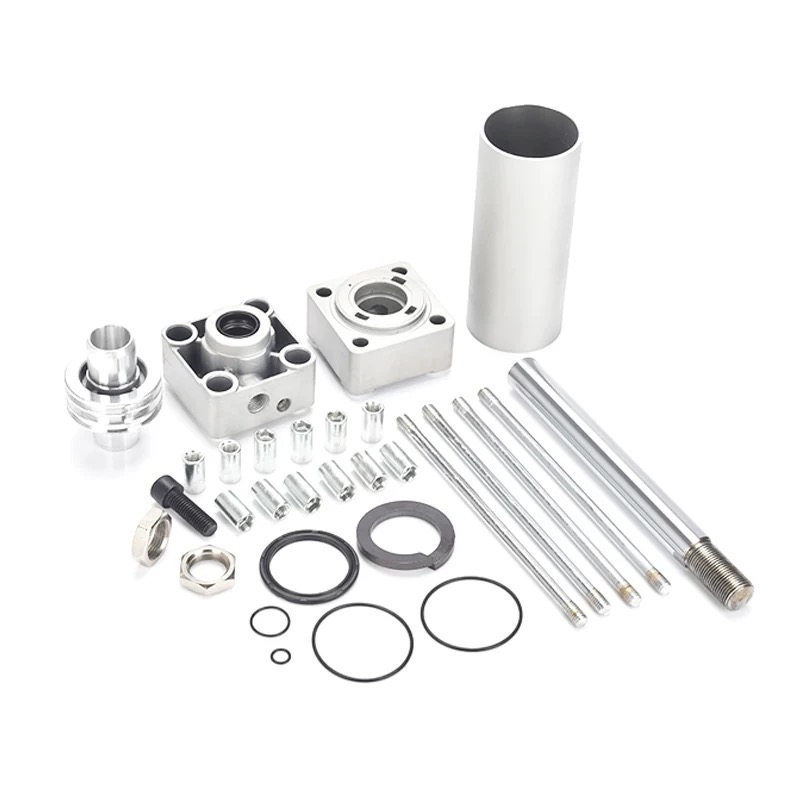
An air tube serves as the backbone of pneumatic systems across manufacturing, automation, and industrial facilities worldwide. Understanding how an air tube supports airflow in industrial applications is critical for engineers, procurement specialists, and facility managers who depend on reliable compressed air delivery. The efficiency of your entire pneumatic operation hinges on selecting and configuring the right air tube infrastructure, which directly impacts production uptime, energy consumption, and operational safety.
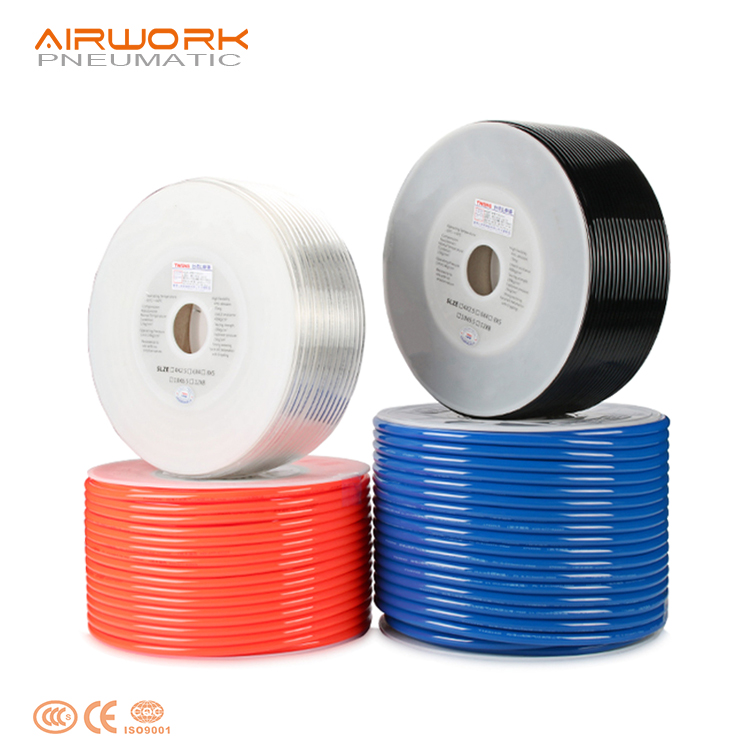
The role of an air tube extends far beyond simply moving pressurized air from point A to point B. An air tube must balance multiple competing demands: maintaining pressure integrity, minimizing energy loss through friction, supporting rapid response times in control circuits, accommodating thermal expansion, and handling the mechanical stresses inherent in industrial environments. When properly engineered, an air tube becomes a passive yet essential component that enables sophisticated pneumatic control systems to function reliably under demanding conditions.
Core Design Principles Behind Air Tube Performance
Pressure Rating and Material Selection
Every industrial air tube is manufactured to withstand specific pressure ratings that define its safe operating envelope. The material composition of an air tube—whether polyurethane, nylon, or polyester—directly determines its ability to support sustained pressure without degradation or failure. An air tube rated for 10 bar performs differently than one rated for 16 bar, and selecting the correct pressure rating ensures the air tube will neither fail catastrophically nor waste resources through over-specification.
The internal diameter of an air tube creates a critical balance between airflow volume and pressure drop. A larger-bore air tube allows higher volumetric flow but occupies more physical space and adds weight. A smaller-bore air tube saves space but increases frictional losses that degrade system efficiency. Industrial designers must match air tube diameter to the anticipated flow requirements of connected actuators and control devices to ensure the air tube supports optimal performance across the entire pneumatic circuit.
Flexibility and Routing Capability
Modern industrial environments rarely allow rigid piping runs between air sources and endpoints. An air tube must flex and route through tight spaces, around obstacles, and through moving machinery without kinking or collapsing. The flexibility of an air tube determines whether it can adapt to the three-dimensional reality of factory layouts or whether installation requires expensive rerouting or compromises in system design. A properly selected air tube balances flexibility with the structural integrity needed to support pressurized air delivery.
Mechanical and Thermal Support Functions
Pressure Stability and Leak Prevention
An air tube must maintain pressure integrity across thousands of duty cycles while resisting the micro-leakage that silently erodes system efficiency. Industrial pneumatic systems cannot tolerate even small ruptures in the air tube network, as energy loss directly translates to higher compressor duty cycles and increased operational costs. The wall thickness and material resilience of an air tube determine its ability to maintain a tight seal at connection points and resist creep under sustained pressure, ensuring the air tube continues supporting reliable airflow across seasons and years of continuous operation.
Thermal stress represents an often-overlooked challenge that an air tube must withstand. As compressed air cools through an air tube during expansion, and as ambient temperature fluctuates with seasonal changes, the material must accommodate dimensional changes without developing stress points where failures originate. An air tube manufactured from materials with appropriate thermal expansion coefficients will support stable performance even when facility temperatures vary between freezing winters and scorching summers.
Impact and Abrasion Resistance
Industrial floor environments subject an air tube to constant mechanical challenges. Equipment vibration, foot traffic, forklift passage, and contact with sharp edges all threaten air tube integrity. The outer cover of an air tube must provide sufficient abrasion resistance to survive years of factory floor exposure without developing leaks. An air tube with inadequate exterior protection will fail prematurely despite perfectly sound internal construction, making material selection and installation practices equally critical to supporting reliable long-term operation.
Integration and System-Level Performance
Connection Interface Standards
An air tube achieves its full potential only when compatible fittings and connectors ensure leak-free integration with solenoid valves, cylinders, and other pneumatic components. The connection interface of an air tube—whether push-to-connect, threaded NPT, or metric ISO fittings—determines compatibility and installation complexity. Industrial facilities often operate mixed equipment lineages, requiring an air tube system to accommodate multiple fitting standards or necessitating adapter solutions that introduce additional potential leak points.
Response Time and Control Circuit Performance
High-speed automated processes depend on rapid pressure transmission through the pneumatic network, placing specialized demands on an air tube in control signal distribution. An air tube carrying pilot signals to proportional directional valves must minimize compliance volume to support crisp response characteristics. The internal volume of an air tube used for pilot air differs dramatically from the specifications appropriate for main power delivery, illustrating how an air tube's specific application role dictates its dimensional requirements and performance characteristics.
Energy Efficiency and System Economics
The financial case for proper air tube selection rests on understanding how frictional losses compound across the entire pneumatic network. A seemingly minor increase in pressure drop within an air tube forces the compressor to work harder, burning additional energy to achieve required downstream pressure. Over the course of a year, the cumulative energy waste from undersized or poorly selected air tubes can exceed the original procurement cost of the entire system, making correct air tube specifications an investment in ongoing operational economy rather than merely an initial capital expenditure.
FAQ
What diameter air tube should I specify for a given actuator?
Air tube diameter selection depends on the volumetric flow rate required, the allowable pressure drop, and the distance from the compressor. Most industrial standards recommend that an air tube for main power delivery should create no more than 0.3 bar pressure loss over its length. Calculate the required flow in cubic meters per minute, then consult air tube sizing charts provided by manufacturers to identify the appropriate bore diameter. An undersized air tube will create excessive pressure drop and reduce actuator speed, while an oversized air tube wastes space and adds unnecessary weight and cost.
How do I prevent leaks at air tube connections?
Leaks at air tube connection points originate from three primary causes: incompatible fitting types, improper installation technique, and material degradation over time. Always verify that the air tube fitting matches the connector standard—whether push-to-connect, NPT thread, or ISO metric—before installation. For threaded connections, apply appropriate thread sealant tape to the male fitting to ensure the air tube creates a sealed joint. Push-to-connect fittings require precise insertion depth; refer to the air tube manufacturer's instructions to confirm the tubing is fully inserted into the connector collet before pressurizing the system.
Can an air tube support outdoor or high-temperature industrial environments?
Standard air tubes are generally rated for operating temperatures between minus 5 and plus 60 degrees Celsius, making them unsuitable for extreme environments. Specialized air tube products constructed from reinforced polyurethane or silicone can extend temperature tolerance, though availability and cost increase significantly. If your application requires an air tube to operate in direct sunlight, near heat sources, or in freezing conditions, consult with the air tube manufacturer to identify formulations that maintain flexibility and pressure rating across your specific temperature range. Improper material selection will cause an air tube to become brittle or lose pressure integrity, leading to unexpected failures.