 EN
EN

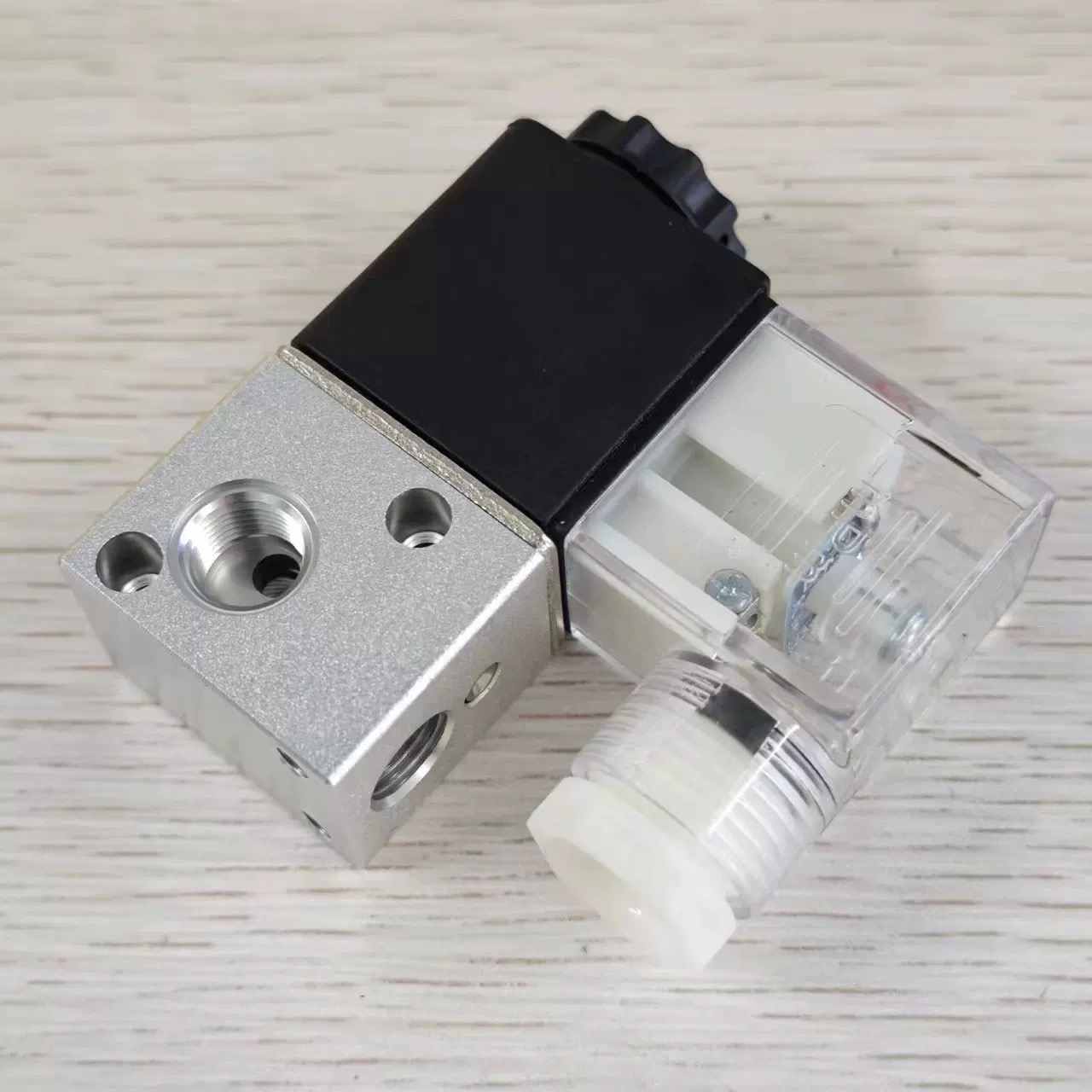
Pneumatic systems rely on precision components to deliver compressed air efficiently across industrial operations. An air tube plays a critical role in this delivery process, directly influencing system performance, energy consumption, and operational reliability. Understanding how an air tube improves efficiency in air delivery systems is essential for facilities managers, engineers, and procurement professionals seeking to optimize their pneumatic infrastructure and reduce operational costs.
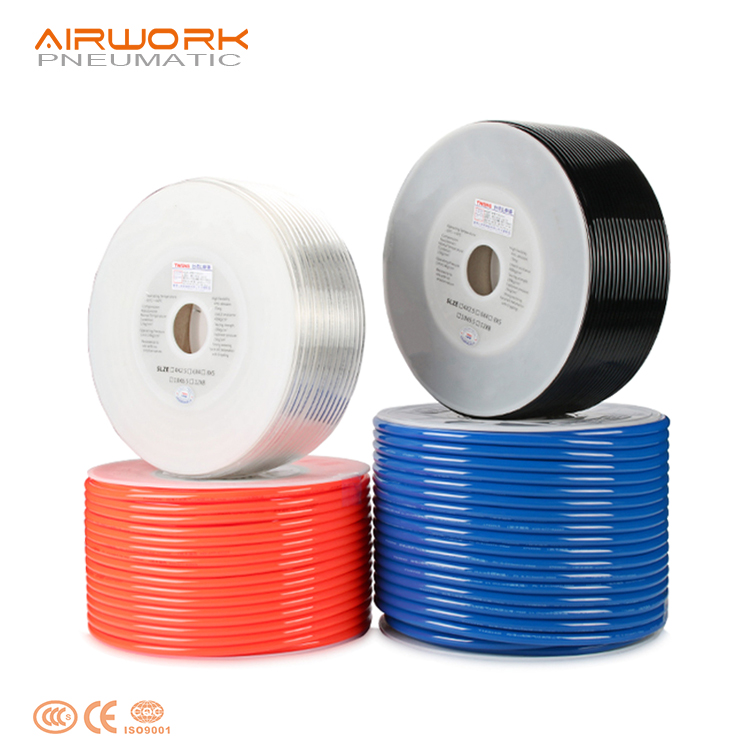
The efficiency of any air delivery system depends fundamentally on how effectively compressed air travels from the compressor to end-use equipment. An air tube serves as the circulatory pathway for this pressurized air, and its design, material composition, and installation quality directly affect pressure retention, flow rates, and energy losses. By selecting and implementing the right air tube configuration, organizations can achieve measurable improvements in system efficiency, equipment lifespan, and total cost of ownership.
How Air Tubes Reduce Pressure Drop and Leakage
Understanding Pressure Loss in Air Delivery
Pressure drop occurs when compressed air travels through an air tube and encounters resistance from internal friction, bends, and connection points. Every meter of an air tube introduces some degree of pressure loss, depending on the tube diameter, air velocity, and material properties. In inefficient systems, pressure drop can reach 10 to 15 percent or higher, forcing compressors to work harder to maintain required downstream pressure. When an air tube is properly sized and manufactured with smooth internal surfaces, pressure drop diminishes significantly, allowing more usable air to reach pneumatic tools and actuators.
Material Selection and Leakage Prevention
The choice of material for an air tube fundamentally affects both pressure retention and system durability. Polyurethane air tubes, for example, offer superior flexibility compared to rigid metal pipes while maintaining excellent air-tightness. This balance allows an air tube to resist micro-leaks at connection points and along the tube length itself. Leaks represent wasted energy and reduced system pressure; a single 3 mm hole in an air tube can waste thousands of cubic feet of compressed air annually. High-quality air tube materials minimize permeability and maintain structural integrity under cycling pressure, preventing the gradual degradation that leads to efficiency loss over time.
Design Factors That Maximize Air Tube Efficiency
Tube Diameter and Flow Characteristics
The internal diameter of an air tube directly determines air velocity and the magnitude of pressure drop along its length. An undersized air tube forces compressed air to move faster, increasing friction losses and pressure drop exponentially. Conversely, an oversized air tube reduces velocity and friction but increases system volume and response time. Optimal air tube sizing follows pneumatic engineering standards that balance flow velocity against acceptable pressure drop limits, typically targeting 10 percent or less. When an air tube is correctly sized for the anticipated air consumption rate, the system achieves the sweet spot between efficiency and responsiveness, minimizing wasted energy while maintaining rapid pneumatic actuation.
Internal Surface Finish and Construction Quality
The internal surface characteristics of an air tube influence how smoothly compressed air flows through it. Rough or degraded internal surfaces create turbulence and friction, increasing pressure drop and energy consumption. Premium air tube manufacturing employs smooth extrusion or coating processes that reduce internal roughness. Additionally, the structural integrity of an air tube affects its ability to maintain consistent internal geometry under pressure cycles. When an air tube experiences deformation or develops internal cracks, airflow characteristics deteriorate, and leakage becomes more likely. Manufacturing precision and quality control ensure that each air tube maintains the designed internal finish and resists degradation, preserving efficiency throughout its operational life.
Integration and Installation Best Practices for Air Tube Systems
Routing, Bends, and Connection Strategies
How an air tube is installed and routed throughout a facility significantly impacts overall system efficiency. Sharp bends, excessive coiling, and poor connection practices all introduce localized pressure drops and leak points. An air tube should follow gradual curves whenever possible, avoid entanglement with other utilities, and be supported at regular intervals to prevent stress concentrations. Connection fittings represent critical vulnerability points where an air tube can develop leaks if improperly installed or if the wrong connector type is used. Secure, airtight connections using appropriate thread sealants and verified fitting compatibility ensure that an air tube delivers its efficiency benefits without compromise. Proper installation practices transform an air tube from a simple component into an effective efficiency driver for the entire pneumatic network.
System Monitoring and Maintenance
Even well-designed air tubes require ongoing maintenance to sustain efficiency improvements. Pressure drop testing across different sections of an air delivery system identifies where an air tube may be deteriorating, becoming partially blocked by moisture or contaminants, or developing slow leaks. Scheduled inspection and cleaning of an air tube prevent accumulated condensation and particulate from reducing internal diameter or causing corrosion. Replacement intervals depend on operating conditions, material compatibility with the compressed medium, and environmental factors. By treating an air tube as a critical component worthy of proactive maintenance, facilities can extend its efficiency-enhancing lifespan and avoid sudden system degradation that forces costly emergency repairs.
FAQ
What is the typical pressure drop across a standard air tube in industrial applications?
Pressure drop across an air tube depends on length, diameter, air velocity, and tube material. A properly sized air tube in a well-designed system typically exhibits pressure drop of 3 to 7 percent over 50 meters. However, undersized or degraded tubes can experience losses exceeding 15 percent. Using pressure gauges at inlet and outlet points of an air tube allows technicians to measure actual performance and identify efficiency problems before they impact production.
How does material composition of an air tube affect long-term efficiency?
Materials like polyurethane offer flexibility and resistance to fatigue cracking that rigid metals cannot match. An air tube made from high-quality polyurethane resists permeability, maintains dimensional stability under pressure cycling, and flexes without permanent deformation. Over multiple years of operation, an air tube constructed from inferior materials may develop micro-cracks or internal surface degradation, progressively increasing leakage and pressure drop. Investing in a quality air tube from the outset preserves efficiency gains throughout its operational lifespan.
Can replacing existing air tubes improve system efficiency without other modifications?
Yes, replacing worn or undersized air tubes with properly engineered alternatives can yield measurable efficiency improvements. If an existing air tube system suffers from chronic leaks, high pressure drop, or material degradation, a complete replacement with correctly sized air tube components can restore or exceed original system efficiency specifications. Energy savings from reduced pressure drop often justify the replacement investment within 12 to 24 months through lower compressor operating costs.